What should you look for when buying?
First decide whether you need occasional warmth at your desk or want to heat the whole conservatory. Then consider how long the heater will run and where you’ll put it.
| What you need |
What to check when buying |
Who is it important to? |
| Extra warmth at your desk |
Portable appliance or wall-mounted model; thermostat and heat settings to suit your working hours. |
If I only need warmth during occasional work sessions, I want to choose a suitable spot and be able to control the temperature. Around 33% of consumers prioritise occasional warmth at their desk. |
| Warmth throughout the conservatory |
Assess the heating load of the specific room; the wattage alone doesn’t tell you whether the heat output will be sufficient. |
If I want to use the conservatory when it’s cold and there’s little sunshine, the heating needs to account for the glazing and heat loss. Around 27% of consumers prioritise reliable warmth throughout the room. |
| Running time and electricity costs |
Timer to suit your working hours; estimate costs using the power consumption, running time and your electricity tariff. |
If I work regular hours, I want to plan when the heater runs and estimate the cost using my tariff. Around 20% of consumers prioritise predictable running times and electricity costs. |
| A safe place to position the heater |
Check the appliance instructions, any risk of damp, clearance from furniture and whether the electrical supply is suitable. |
If the heater will be near furniture or condensation could occur, I want to know whether the instructions say that this particular appliance can be used there. Around 20% of consumers prioritise a safe location that’s suitable for the appliance. |
Joybuy products
The Joybuy products below include wall-mounted convector heaters and freestanding models for adjustable supplementary warmth at your desk. Choose one with an output and positioning requirements suited to your particular conservatory.
 No image available
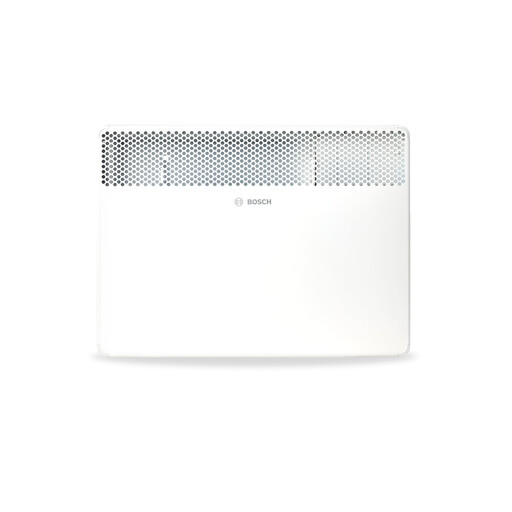
Bosch HC 4000-15 convector heater, 1,500 W
Designed for wall mounting or freestanding use. Feet for freestanding use are available separately.
The product title lists coverage of up to 15 m², an LED display, weekly programme, Eco mode, open-window detection and IP24. A coverage figure alone doesn’t prove that the output will be sufficient for a conservatory.
View at Joybuy
 No image available
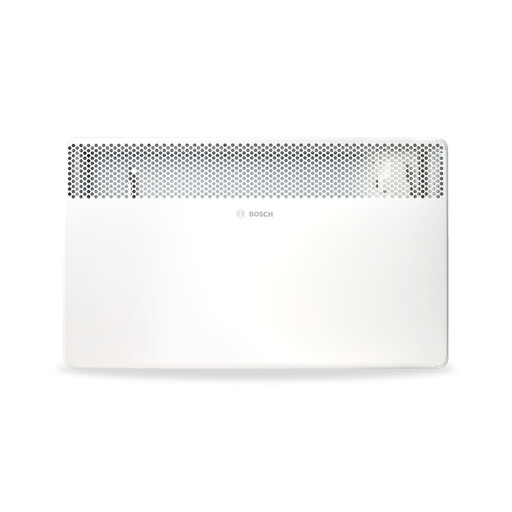
Bosch HC 4000-20 convector heater, 2,000 W
Designed for wall mounting or freestanding use; feet for the latter are available separately.
The product title lists coverage of up to 20 m², an LED display, weekly programme, Eco mode, open-window detection, child lock and IP24. The coverage figure doesn’t replace an assessment of the conservatory’s heating load.
View at Joybuy
 No image available
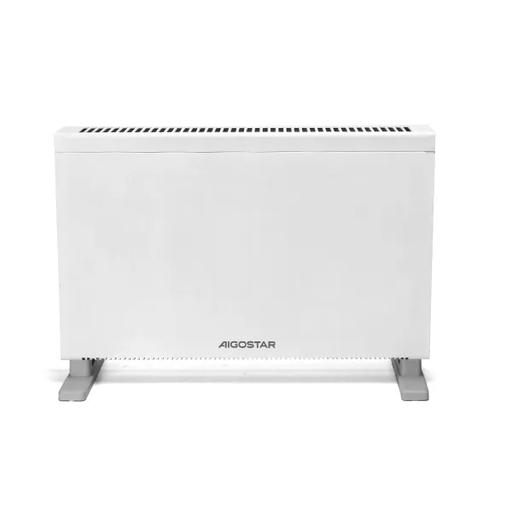
Aigostar convector heater, 2,000 W, with remote control
Described as a portable convector heater for adjustable supplementary warmth, with a programmable timer.
The product description requires a dry, level surface and specifies a minimum distance of one metre from furniture and curtains. It rules out use in wet environments such as bathrooms or pool areas.
View at Joybuy
 No image available
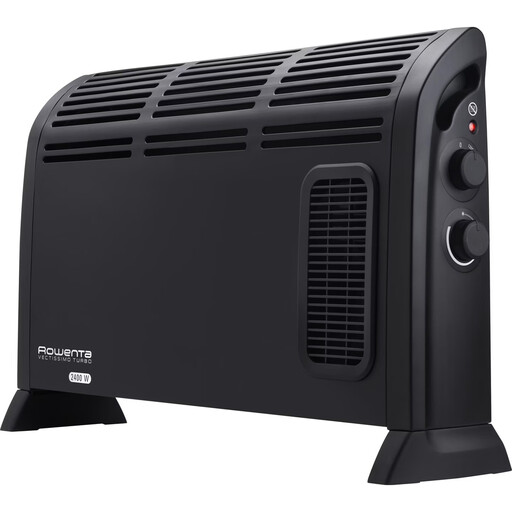
Rowenta Vectissimo II CO3035
A freestanding convector heater with a fan function and an optional Turbo setting.
The product description lists a 1.2 m cable and IP20. It rules out use in bathrooms, near water sources and outdoors.
View at Joybuy
 No image available
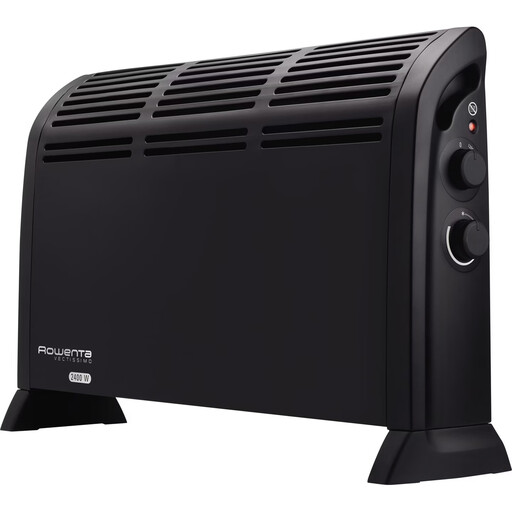
Rowenta Vectissimo convector heater, 2,400 W
Described as a freestanding convector heater with an output of 2,400 W. Choose it to suit how you plan to use it.
The product description lists a 1.6 m cable and rules out use in bathrooms, near water sources and outdoors.
View at Joybuy
Frequently asked questions
Will a 2,000 W convector heater warm the whole conservatory?
You can’t tell from the wattage alone. For year-round use, factors include the glazing, heat loss and how much warmth you’ll need on cold days without sunshine. The Bundesverband Wintergarten recommends taking the specific conditions of the building into account when sizing the heating.
Can I simply put a convector heater next to my desk?
Only if the instructions for that particular appliance allow it, including the location, clearances and electrical supply. Also consider the risk of damp and condensation in the conservatory; protection information for a different model won’t necessarily apply.
How can I estimate the electricity costs?
Assuming a constant power consumption, multiply the output in kilowatts by the number of hours it runs and your electricity price per kilowatt-hour. A thermostat can change how long it’s actually switched on. Without knowing your tariff and how long you’ll use it, it isn’t possible to give a meaningful general cost in pounds.
Under EU law, does a convector heater without a built-in controller need a suitable controller?
If the appliance falls under the relevant ecodesign rules for local electric space heaters, it must not give off heat without the appropriate controller. The European Commission explains that the provisions of Regulation (EU) 2024/1103 have applied since 1 July 2025. This doesn’t automatically confirm that a specific product version complies.
What maintenance or after-sales support should I look for?
Keep the user manual and the manufacturer’s support details for the model you choose. Don’t attempt to repair a damaged electric heater yourself; Bosch, for example, lists product-specific support for its convector heaters.


