A convector heater can be a good option for occasional extra warmth, provided its position or installation, controls and intended use suit the room. Work out the cost of your planned running time using your electricity tariff; the ADAC points out that electric heaters can be more expensive to run. If exterior walls are persistently cold or damp, a convector heater is no substitute for ventilation and moisture monitoring, or for investigating possible structural causes.
Who is a convector heater suitable for?
People living with a cold exterior wall
If you want to warm up a small room, you should still keep an eye on moisture on cold surfaces. The German Environment Agency highlights the particular importance of cold exterior walls, while the consumer advice centre recommends considering heating and ventilation together. Extra heat alone will not fix the cause of mould.
Occasional users
For occasional extra warmth, the thermostat, how long you use the heater and your electricity tariff can all influence your choice. The ADAC identifies running costs as an important consideration with electric heaters, so check that the planned heating times suit your needs.
People with limited floor space
A wall-mounted heater can free up floor space, while a freestanding model can be moved around. Whichever type you choose, its installation, connection and unobstructed airflow must comply with the requirements for that specific model.
What should you look for when buying?
| Concern |
What to check |
Who should pay particular attention? |
| Cold walls and moisture |
Monitor temperature and humidity; make sure airflow is unobstructed and position the heater appropriately. If you see mould, investigate its cause separately. |
If I’m concerned about moisture because of a cold exterior wall, I want to assess heating needs and moisture separately; around 26% of consumers put moisture prevention first. |
| Safe connection and operation |
Check the connection type, safety instructions, clearance distances and, for wall-mounted heaters, the installation requirements for the specific model. |
If you want to connect and use the heater safely in a small room, pay particular attention to the instructions; around 21% of consumers prioritise safe connection. |
| Ongoing electricity costs |
Use the power rating in kW, actual heating hours and your own electricity tariff to work out an individual estimate. |
If I’m planning to use the heater for longer periods, I want to be able to estimate the running costs using my tariff; around 21% of consumers see running costs as a key concern. |
| Extra warmth to suit your needs |
Check the exact model’s power rating and intended use against the room conditions and your existing main heating system. |
If you only need extra warmth from time to time, look for a heater whose controls and intended use suit that need; around 16% of consumers prioritise extra warmth tailored to their needs. |
| Space and installation |
Check the dimensions, unobstructed airflow, stability or wall-mounting requirements, and connection type. |
If there’s very little floor space in a small room, I want to find a suitable place for the heater without overlooking installation requirements; around 16% of consumers prioritise space and installation. |
Avoiding buying pitfalls
-
Assuming a convector heater will fix a cold, damp wall
Cold surfaces and moisture can be linked to mould; warming the air in a room will not automatically resolve an underlying structural cause. The consumer advice centre recommends investigating the cause of mould.
Assess your heating needs and the cause of the moisture separately. Monitor the room temperature and humidity, ventilate after periods of high moisture and have any possible mould growth investigated separately.
-
Using the wattage or advertised room size to determine your exact heating needs
The heat you need also depends on the room’s heat loss and how long you actually use the heater. A manufacturer’s stated room size does not guarantee a particular result in a room with cold exterior walls.
Check the power rating and usage instructions for the specific model, and work out the cost based on your expected heating hours and electricity tariff.
-
Buying a portable heater as an unrestricted, permanent main source of heating
Manufacturers explicitly restrict some portable models to well-insulated rooms or occasional use.
Read the usage information for the exact model. If you need heating on a long-term basis, first check your existing heating system and the condition of the building.
-
Confusing CE marking or overheat protection with independent certification
The Federal Network Agency explains that manufacturers apply the CE marking under their own responsibility. Safety features are also no substitute for appropriate installation or using the heater as intended.
Check the required marking, the user manual in German and the safety instructions. Follow the specific appliance’s requirements for connection, positioning and clearance distances.
Brands to consider
STIEBEL ELTRON
The manufacturer describes the CNS 1000 Plus LCD as a wall-mounted convector heater for extra or transitional warmth in a fixed position.
- For this model, the manufacturer lists 1000 W, a weekly timer, frost protection and overheat protection.
- The wall mounting and connection must suit the room; this information is no evidence that the heater will resolve mould, nor that every model from the brand is suitable.
AEG Haustechnik
According to the manufacturer, the WKL 1005 is a wall-mounted convector heater with electronic controls, designed for a fixed installation point.
- The manufacturer lists a weekly timer and overheat protection among the model’s features.
- The manufacturer’s information gives both a 500 W heating output and a 1.0 kW connection rating. Check the current data sheet to confirm the rating of the specific version; follow the installation requirements for appliances that are not supplied ready to plug in.
De’Longhi
The manufacturer describes the portable HSX2320F convector heater as having an additional fan to circulate the air.
- For this model, the manufacturer lists a maximum output of 2000 W and carry handles.
- The manufacturer states that it is suitable only for well-insulated rooms or occasional use. The fan is no evidence of lower heating costs.
Trotec
According to the manufacturer, the TCH 26 E is a portable convector heater for extra or transitional warmth.
- Trotec lists up to 2000 W, three heat settings, a timer and a turbo fan.
- The model instructions limit its use to well-insulated rooms or occasional use. Stated room sizes do not guarantee a particular result in a room with cold walls.
Güde
According to the manufacturer, the GKH 2000 is a portable supplementary heater with several heat settings.
- The manufacturer lists three heat settings, a thermostat and overheat protection.
- No tip-over protection is listed for the GKH 2000. The manufacturer limits its use to well-insulated rooms or occasional use; it is important to check the model designation GKH.
Joybuy convector heaters for extra warmth
The following Joybuy products include portable convector heaters for occasional extra warmth, as well as one convector heater that, according to its product description, can be wall-mounted or used freestanding. For each model, check that its positioning, installation and usage instructions suit your room.
 No image available
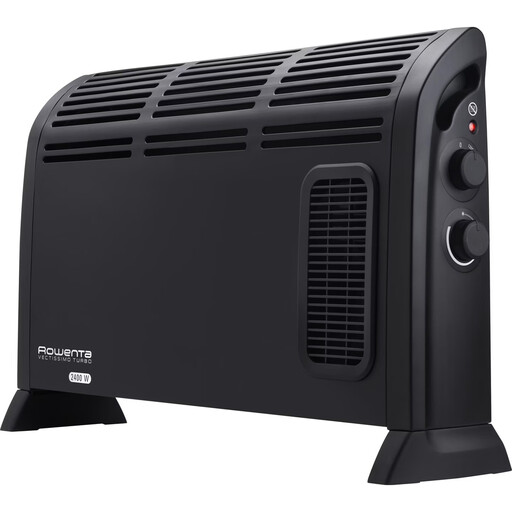
Rowenta Vectissimo II CO3035 convector heater
For occasional extra warmth, if a freestanding heater with several heat settings suits your room.
The product description lists 1.200/2.400 W, a thermostat, frost protection and a turbo function. Place it on a stable, level, heat-resistant surface and keep it at least 1 m away from flammable items.
View at Joybuy
 No image available
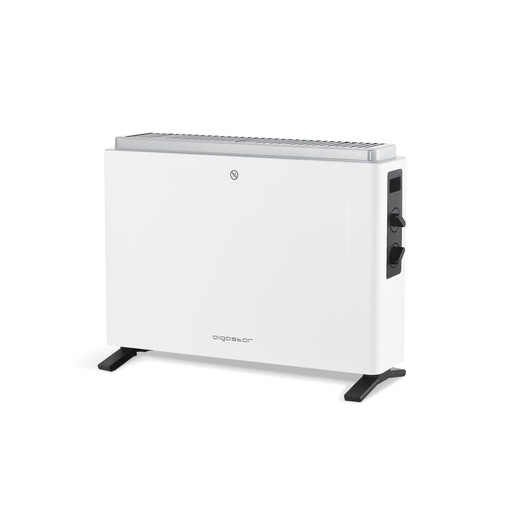
Aigostar 2000 W convector heater, 3 heat settings
An option for occasional extra warmth if thermostat control and timer settings suit your needs.
The description lists a timer of up to 24 hours and a carry handle. Use the heater upright on a stable, dry surface and keep it away from flammable items.
View at Joybuy
 No image available
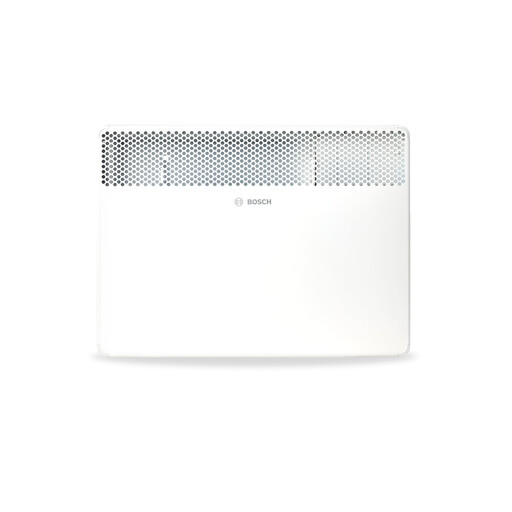
Bosch HC 4000-15 convector heater
Wall mounting could be a good option if you want to free up floor space in a small room and have a suitable place to install the heater.
The product description lists 1500 W, a room size of up to around 15 m² and a weekly programme. The stated room size does not guarantee a particular result in a room with cold exterior walls. Stand feet for freestanding use are available separately.
View at Joybuy
 No image available
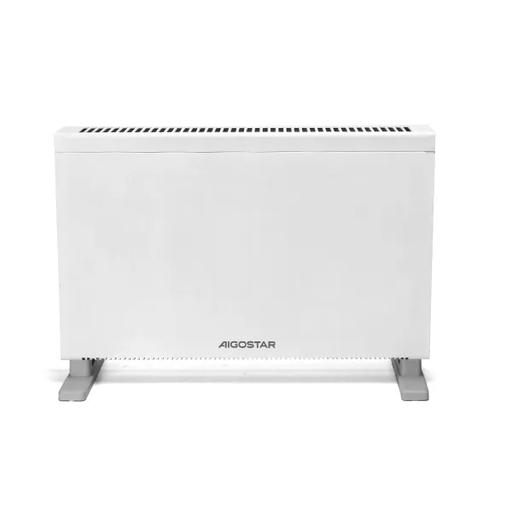
Aigostar 2000 W convector heater with remote control
For occasional extra warmth if remote control and a timer are important to you.
The description lists thermostat control and a timer of up to 24 hours. Use it freestanding on a level, stable surface and keep it at least 1 m away from furniture and other items. According to the description, do not use it in damp environments such as bathrooms.
View at Joybuy
Frequently asked questions
Can a convector heater prevent mould on a cold exterior wall?
Not reliably as a measure on its own. Cold surfaces, moisture and poorly ventilated areas can encourage mould; monitor the room temperature and humidity, ventilate after periods of high moisture and investigate the cause if mould appears. The consumer advice centre recommends dealing with possible causes promptly.
How can I estimate the electricity costs of a convector heater?
For an assumed actual running time, multiply the power rating in kW by the number of heating hours and your electricity tariff in euros per kWh. This is an estimate for the scenario you have assumed, not a measurement of actual consumption; a thermostat can change the actual running time.
What should I bear in mind when positioning or installing the heater?
The instructions for the specific appliance are key: keep the airflow unobstructed, observe the specified clearance distances and check the connection type. AEG Haustechnik highlights the installation requirements for appliances that are not supplied ready to plug in; for wall-mounted heaters, the installation point and connection must suit the specific version.
Does an electric convector heater need an EU energy label?
According to the European Commission, electric local space heaters are exempt from the EU energy labelling mentioned for local space heaters. For appliances covered by the scope, the ecodesign requirements of Regulation (EU) 2024/1103 have generally applied since 1 July 2025. The absence of a label alone therefore does not prove a breach; any required CE marking and accompanying documentation should be considered separately.
What are my rights if the heater is delivered faulty?
The statutory warranty is generally the seller’s responsibility and is separate from a voluntary guarantee. If there is a fault, the first step may be to have the item repaired or replaced; the consumer advice centre explains that the details depend on the purchase and the specific fault.


