A convertible high chair is an investment that should ideally accompany your child from infancy through their school years. However, the market is saturated with models whose promises often don't hold up in practice. Many parents find that after just a few months, their expensive chair wobbles, is difficult to clean, or is ergonomically unsuitable. This guide will show you which critical features to look for to make a durable and safe choice.
The 3 Most Common Pitfalls of Buying a High Chair
Before we dive into the important features, let's highlight the typical problems that lead to frustration and unnecessary expenses.
- The "Grows-With-You" Trap: Many chairs are marketed as "convertible" but are only truly usable for the first few years. Often, the maximum weight capacity is too low, or the adjustment options are so limited that a school-aged child can no longer find an ergonomic sitting position. The result: a new chair is needed after just three years.
- Hidden Safety Flaws: A tip-proof high chair is absolutely essential. However, some models cut corners on stability by using a base that is too narrow or unsuitable materials. A chair that wobbles or tips when the child pushes off the table poses a significant risk.
- The Cleaning Nightmare: Babies and toddlers make messes. A baby high chair with many corners, inaccessible crevices, or permanently stitched fabric covers quickly becomes an unhygienic breeding ground for bacteria. Daily cleaning turns into a test of patience.
What Really Matters: The Core Criteria for Your Decision
To avoid the pitfalls mentioned above, focus on three objective criteria. These determine the safety, longevity, and everyday usability of the chair.
1. Adjustability of the Seat and Footplate
A true adjustable high chair must do more than just change height. The crucial feature is the separate and fine-tuned adjustment of the seat and footplate in both height and depth.
- Ergonomic Posture: For healthy development, the child must be able to rest their feet firmly on the footplate while their knees are bent at an approximate 90-degree angle. The tabletop should be at elbow height. This is the only way to ensure a stable and upright sitting posture.
- Longevity: Models like the classic stair-step high chair are designed to allow for flexible adjustments over many years. The plates can be easily inserted at different levels, allowing the chair to grow from a high chair for babies from 6 months to a chair for teenagers.
2. Material, Stability, and Safety Standards
The construction and material are directly responsible for safety.
- Choice of Material: A wooden high chair, often made from beech, offers high stability and durability. Look for certifications like FSC, which confirms sustainable forestry. Plastic models can be lighter and foldable, but they often have a lower maximum weight capacity.
- Tip-Proof Design: A wide A-frame or trapezoidal base is a good indicator of stability. Some models, like the Hauck Alpha Plus, feature special floor gliders that ensure the chair slides backward instead of tipping when the child pushes off the table.
- Safety Standard: Check if the chair complies with the European safety standard EN 14988. This standard sets requirements for stability, materials, and safety features like harness systems.
3. Harness System and Accessories
Accessories determine the chair's functionality in daily life.
- Harness System: A 5-point harness offers the most comprehensive protection, securing the child at the shoulders, hips, and between the legs. A 3-point harness (lap belt) is the minimum requirement.
- Tray: A high chair with a tray offers flexibility, as it can be used independently of the dining table. Check if the tray is removable and easy to clean. For many wooden high chairs, like the Roba high chair or Hauck models, the tray is available as a separate accessory.
Recommended Options For You
Here are some models that are well-suited for different needs and households, based on objective criteria.
IDEAL FOR: LONG-TERM INVESTORS
Why It's a Match: Perfect for families looking for a one-time purchase that will genuinely last until the teenage years. Its high weight capacity and classic wooden design make it a durable piece of furniture.
How It Avoids the Pitfall
It delivers on the "grows-with-you" promise with a weight capacity of up to 90 kg and highly adjustable plates. The design with floor gliders actively addresses the risk of tipping.
Objective Advantages
Made from European beech wood (FSC certified). Includes a 5-point harness and safety bar. High level of anti-tip safety due to its special construction.
IDEAL FOR: BUDGET-CONSCIOUS STARTERS
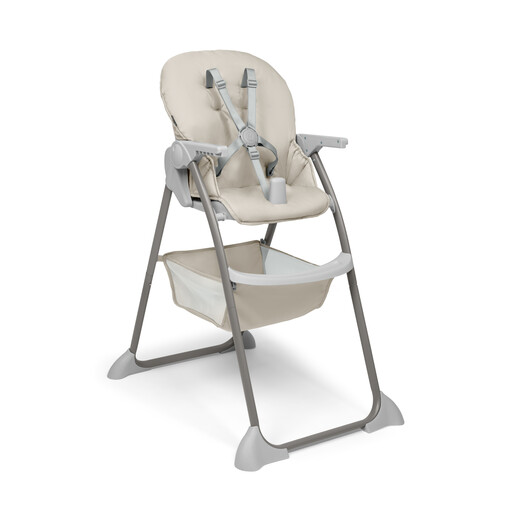
Why It's a Match: A practical solution for families with limited space or for use at the grandparents' house. The chair offers all the necessary functions for the initial phase without breaking the bank.
How It Avoids the Pitfall
It doesn't promise use into adulthood; it's clearly designed for the age group up to 15 kg. The wipeable and washable cover efficiently solves the cleaning problem.
Objective Advantages
Folds flat for easy storage. Includes a large, removable tray and a storage basket. Adjustable backrest for added comfort.
IDEAL FOR: DESIGN & MATERIAL ENTHUSIASTS
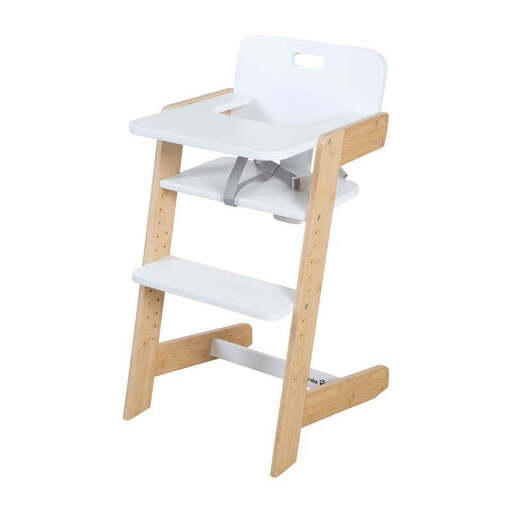
Why It's a Match: For parents who value a modern aesthetic and sustainable materials. The combination of bamboo and lacquered elements blends stylishly into contemporary kitchens.
How It Avoids the Pitfall
It meets the current safety standard EN 14988:2017+A1:2020 and offers a high weight capacity of up to 70 kg. The smooth, wipeable surfaces of MDF and bamboo prevent the cleaning nightmare.
Objective Advantages
Side panels made of solid bamboo. High weight capacity of up to 70 kg. Removable tray for flexible use at the family table. Modern two-tone design.
Looking for More Options?
We've compiled a complete, up-to-date list of products that fully meet these strict selection criteria and safety regulations.
Frequently Asked Questions (FAQ)
When does a convertible high chair make sense?
A convertible high chair is generally useful from the moment your child can sit upright independently and stably. This is usually around the age of six to nine months. Most manufacturers specify this as the minimum age, as the child's core muscles must be strong enough to sit securely without side support.
How do I adjust a stair-step high chair ergonomically?
Correct adjustment is crucial for comfort and a healthy posture. Use the following points as a guide:
- Seat Height: Adjust the seat plate so that your child's elbows are slightly above the table edge when sitting upright.
- Footplate Height: The feet should rest flat and fully on the footplate. The knees should be bent at an approximate 90-degree angle.
- Seat Depth: There should be about a hand's width of space between the edge of the seat and the back of the child's knees to avoid restricting blood circulation.
Is a wooden high chair better than a plastic one?
Both materials have specific advantages and disadvantages. A blanket statement isn't possible, as the decision depends on your priorities.
- Wooden High Chair: Often more stable, more durable, and with a significantly higher maximum weight capacity (often up to 70 kg or 90 kg). They are more sustainable if made from certified wood. Cleaning is simple on lacquered surfaces.
- Plastic High Chair: Usually lighter, often foldable, and therefore more space-saving. Cleaning plastic surfaces is very easy. However, their lifespan is typically limited to the first few years due to a lower weight capacity (often only up to 15 kg).