Housemates with cooked leftovers
If you’re keeping cooked beetroot, you’ll need a covered, separate space and adequate cooling. The BfR recommends storing perishable foods at 2 to no more than 7 °C.


If there’s a clean, covered space in the shared fridge and it stays cold enough, you don’t automatically need a fridge of your own for cooked beetroot. The BfR recommends storing perishable foods at 2 to no more than 7 °C. A fridge’s adjustable temperature range doesn’t guarantee that this temperature is reached where your food is actually stored. If there isn’t enough space or reliable cooling, compare a dedicated food fridge by its achievable temperature, usable capacity, footprint and annual energy consumption.
If you’re keeping cooked beetroot, you’ll need a covered, separate space and adequate cooling. The BfR recommends storing perishable foods at 2 to no more than 7 °C.
You’ll need to check whether there’s room for your containers in the shared fridge, and agree how food should be covered and stored separately. The Verbraucherzentrale recommends setting clear rules for shared fridges.
If you’re thinking about getting a separate fridge, weigh the extra usable capacity against the space it takes up, its noise level and its stated annual energy consumption.
A good fit if: there’s a covered, clearly designated space and the food stays cold enough there.
The trade-off: You won’t need another appliance, but you’ll depend on having enough space and on everyone following the shared storage rules.
A good fit if: there’s no reliable space for your containers in the shared fridge and you have somewhere suitable to put your own appliance.
The trade-off: You’ll have separate storage, but you’ll need extra floor space and should factor in the annual energy consumption.
A good fit if: the specific model keeps food sufficiently cold where you plan to store it, in your usual room conditions.
The trade-off: Its compact design and description as a drinks fridge don’t, on their own, prove that it will keep food leftovers suitably chilled.
The Verbraucherzentrale recommends choosing an appliance size that suits your needs. The EU energy label shows, among other details, annual energy consumption, usable capacity and noise emissions.
| What matters | What to check when buying | Who it matters most to |
|---|---|---|
| Adequate cooling | The temperature where the food will actually be stored, not just the adjustable range. | If I’m storing cooked beetroot, what matters is the temperature the container actually reaches. Around 36% of consumers would make adequate cooling their top buying priority. |
| A separate space of your own | Room for covered containers and suitable shelves; for a second fridge, check where it will go as well. | If there are several containers in the shared fridge, I need a covered, clearly designated space. Around 29% of consumers would put storage space and hygienic separation first. |
| Energy consumption | Compare annual consumption in kWh and usable capacity on the EU energy label. | If I’m running a second fridge all the time, I want to weigh its energy consumption against the amount of chilled storage I need. Around 21% of consumers would give running costs the greatest weight. |
| Floor space and noise | Check the appliance dimensions, room for the door to open and noise emissions. | In a shared kitchen, a fridge of your own needs to fit in the space available and be quiet enough. Adequate cooling is still the priority. Around 14% of consumers would consider floor space and noise first. |
The product description doesn’t tell you whether the temperature where you’ll store food is suitable for leftovers.
Check the temperature where you plan to store food, under your usual conditions of use.
The EU energy label also lists annual consumption in kWh and usable capacity. Both figures need to suit your actual needs.
Compare suitable appliances by annual consumption and cooling capacity, rather than looking only at the efficiency rating.
Running a second fridge all the time will increase your energy consumption.
In a shared kitchen, you’ll also need to allow for its depth, the door opening and access to the shelves.
Measure the available space, including the area needed when the door is open.
According to the manufacturer, the Liebherr Re 1200 Pure is a table-top fridge with a total capacity of 110 l and an adjustable temperature range of +2 °C to +8 °C.
According to the manufacturer, the Bomann KS 2194.1 has 107 l of fridge capacity and a separate 13 l freezer compartment.
According to the manufacturer, the freestanding Exquisit KS16-4-HE-040D offers 95 l of fridge capacity and 14 l of freezer capacity.
The Beersafe range includes small drinks fridges. Features vary from model to model.
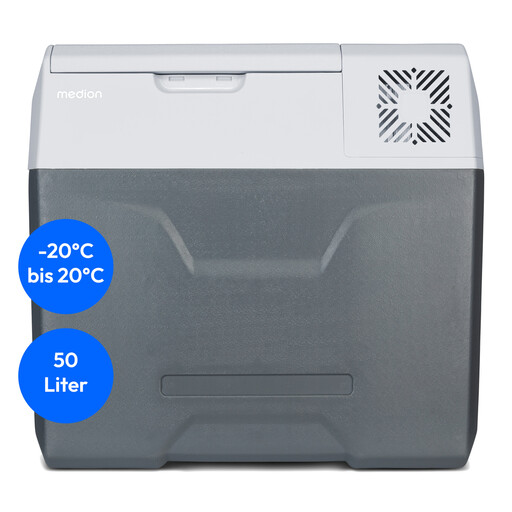
These Joybuy appliances offer options for keeping food leftovers chilled separately. If you’re considering a cool box, pay particular attention to the temperature it reaches where your food will actually be stored.
 No image available
Can be used as a separate cooling appliance; before storing cooked food, check the temperature where it will actually be kept.
47 l usable capacity; adjustable temperature range from −20 °C to +20 °C.
Power supply according to the product details: 230 V, 12 V and 24 V. It needs a level, stable surface and adequate ventilation to operate.
 No image available
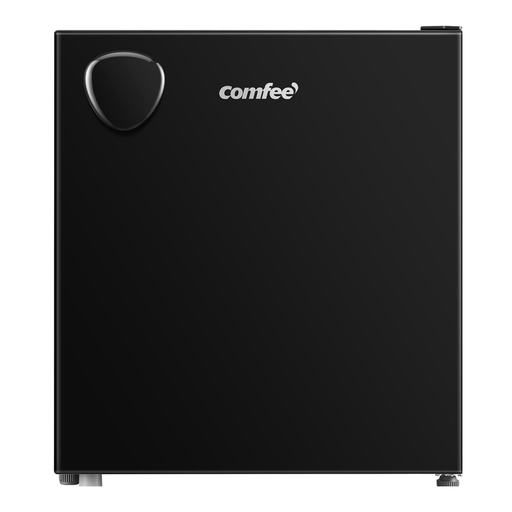
A separate space for covered portions; check in advance that the appliance will fit where you plan to put it.
43 l capacity, 44,5 cm wide and three temperature settings.
The product details list annual energy consumption of 80 kWh and an energy efficiency rating of E. The door is reversible.
 No image available
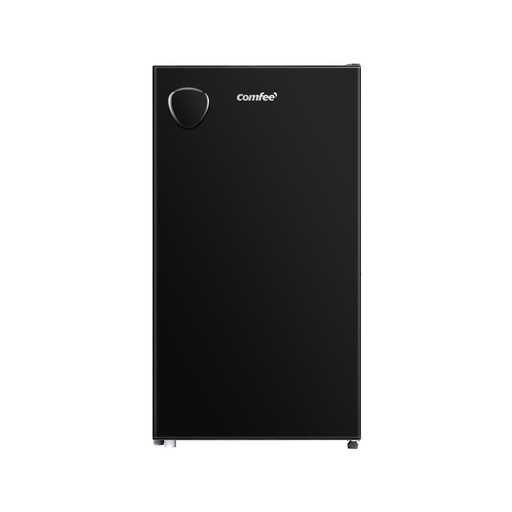
The usable capacity and removable glass shelves may be useful for storing separate containers; check the appliance dimensions against the space available.
88 l capacity; dimensions according to the product details: 44,5 × 47 × 82,7 cm. The door is reversible.
According to the product description, the separate cool box is only intended for short-term cooling. Food must not be stored in it for more than 2 hours.
 No image available
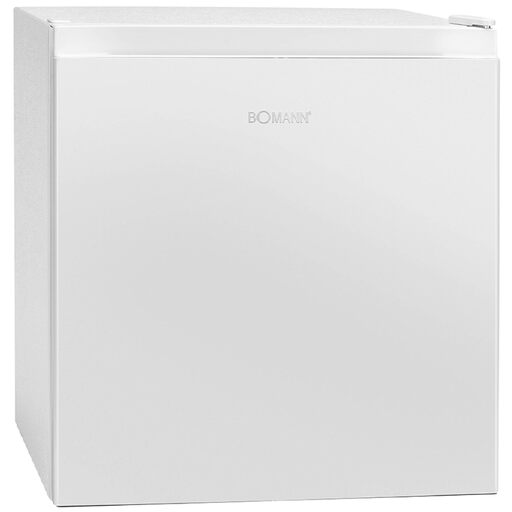
A separate fridge with adjustable temperature; check that the storage space is suitable for your covered portions.
45 l capacity, including a 4 l freezer compartment. The stated temperature range is from 0 °C to +8 °C.
The glass shelf is removable. The freezer compartment needs to be defrosted manually.
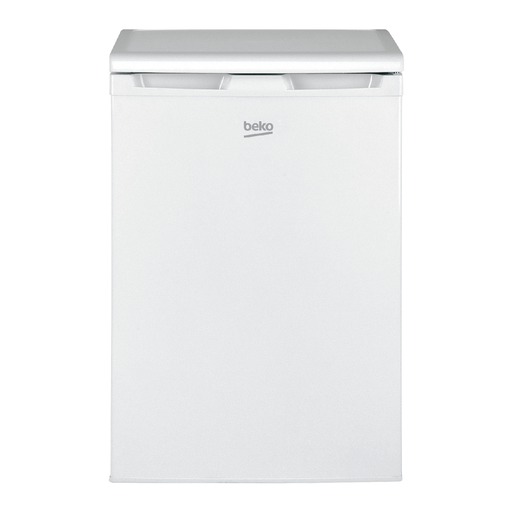 No image available
The fridge compartment provides separate storage for food; when planning, bear in mind that some of the total capacity is taken up by the freezer compartment.
114 l total capacity: 101 l fridge and 13 l freezer.
The product details list a reversible door, glass shelves and a salad drawer.
The BfR recommends eating leftovers within two to three days. If you’re keeping hot food for longer, cool it quickly to below 7 °C. Dividing larger portions between several shallow dishes can help.
Keep it covered and separate from other foods. The Verbraucherzentrale recommends setting clear rules for shared fridges; also check that your chosen spot stays cold enough.
A fridge of your own may be worth considering if there’s no clean, covered space with adequate cooling in the shared fridge and you have a suitable place to put it. What matters is the temperature where your food is actually stored, not just the setting on the appliance.
Measure the width and depth of the space, as well as the room needed to open the door. For example, the manufacturer lists a depth of 107 cm for the Exquisit KS16-4-HE-040D with the door open; this figure applies only to that model.
The European Commission says the EU energy label includes details such as annual energy consumption, usable capacity and noise emissions. Compare consumption in kWh and fridge capacity for appliances that suit your space and needs.