If you’ll be eating your cooked lentils soon and already have enough freezer space, what matters most is having enough usable fridge space for shallow, covered portions. If you regularly want to freeze portions, compare fridge-freezers by their separately stated fridge and freezer capacities. For safe storage, cooling food quickly and keeping it at the right temperature matter more than a freshness feature.
Which fridge is right for you?
Families who regularly batch-cook
If you want to chill several cooked portions separately in covered containers, check the usable fridge space and shelf layout rather than just the total capacity. The German Federal Institute for Risk Assessment recommends cooling leftovers promptly and storing them in the fridge.
Households that freeze portions
If you want to freeze portions after a family meal, compare the fridge and freezer capacities separately. The German consumer advice centre (Verbraucherzentrale) lists regularly freezing larger quantities of food as one possible reason to have extra freezer space.
Families short on space
If the appliance needs to fit in a small kitchen, check its external dimensions and the clearance needed to open the door. The German consumer advice centre recommends choosing an appliance size that suits your actual needs.
What should you look for when buying?
Fridge without a freezer compartment
A good fit if: You already have enough freezer space and mainly need fridge space for portions and the rest of your shopping.
The trade-off: You can’t freeze portions in the appliance itself, so choose a fridge capacity that suits your actual needs.
Fridge-freezer
A good fit if: You regularly want to freeze portions of lentils and don’t have a suitable separate freezer.
The trade-off: The freezer compartment takes up space that could be used for chilling in a fridge-only appliance. Compare the two capacities separately.
Keep using your existing appliance
A good fit if: It has enough room for your containers and reaches the required storage temperature where you plan to keep them.
The trade-off: With older appliances, energy use and the condition of the door seals can change how they compare with a new model.
| What matters |
What to check when buying |
Who it matters most to |
| Food hygiene when chilling |
Space for shallow, covered containers and a storage temperature of 2 °C to no more than 7 °C where you plan to store them. |
If I need to chill several portions safely, the actual temperature on the shelf matters to me. Around 29 % of consumers prioritise safe chilling above all else. |
| Usable fridge space |
Compare the fridge capacity in litres and the shelf layout with your own containers. |
If there needs to be room for the rest of the family’s shopping as well as several containers of lentils, usable fridge space is my yardstick. Around 23 % of consumers say fridge space matters most to them. |
| Freezer space |
Take your existing freezer space into account. If needed, check the separately stated freezer capacity and whether there’s room for portion-sized containers. |
If I want to freeze portions for future meals, there needs to be room for them too. Around 18 % of consumers put freezer space first. |
| Energy use |
For appliances of a similar type and suitable size, compare the stated kWh per year. |
If the appliance runs all year round, I want to compare its stated annual energy use with other suitably sized models. Around 18 % of consumers prioritise energy use. |
| Fit in your kitchen |
Measure the space and the route for getting the appliance in; check the door hinge, opening clearance and installation guidance for the specific model. |
If the fridge needs to fit in a small kitchen while still leaving room for the containers, I check its dimensions and how the door opens. Around 12 % of consumers prioritise how well it fits. |
Common buying mistakes
-
Taking a fridge-freezer’s total capacity as its fridge capacity
The Siemens KG39EAICA has a stated fridge capacity of 249 l and a freezer capacity of 94 l. The freezer capacity isn’t available for chilled containers of lentils.
Compare the fridge and freezer capacities separately, and check that your portion containers fit on the shelves.
-
Assuming NoFrost or a freshness feature keeps food fresh for longer
Appliance features don’t replace cooling food promptly or storing cooked lentils at the right temperature.
Divide the food into shallow, covered containers and check the actual temperature where you plan to store it.
-
Comparing only the energy efficiency rating
Appliance size affects how energy use compares. Choosing the right type and enough fridge space, without going unnecessarily large, also matters.
For similarly sized appliances, compare the kWh per year shown on the energy label.
Brands and models to consider
Bosch
Bosch offers both freestanding fridges without a freezer compartment and fridge-freezers.
- The manufacturer states that the KSV36VWEP has a fridge capacity of 346 l; this model has no freezer compartment.
- Bosch lists a fridge capacity of 216 l and a freezer capacity of 89 l for the KGN36NLEA. NoFrost doesn’t indicate how long cooked lentils can be stored.
Siemens
The KG39EAICA fridge-freezer lists its fridge and freezer capacities separately.
- Siemens states that this model has a fridge capacity of 249 l, a freezer capacity of 94 l and adjustable shelves.
- Whatever the features, check that the shelves suit your containers. lowFrost doesn’t tell you how long cooked food will keep.
Liebherr
Liebherr offers freestanding fridges in a range of sizes.
- The range includes fridges without a freezer compartment and fridge-freezers, so you can choose a design to suit the freezer space you already have.
- Advertised freshness zones don’t prove that cooked lentils can be stored safely for longer.
Beko
According to the manufacturer, the freestanding RCSA300K40SN fridge-freezer is 54 cm wide.
- Beko lists a reversible door and MinFrost for this model.
- Check the separate usable capacities and the dimensions of the specific appliance before deciding whether it will fit in your kitchen.
Samsung
According to the manufacturer, the RB38C607AB1/EF fridge-freezer is 203 cm tall and has a total capacity of 387 l.
- Samsung lists No Frost+ and an energy efficiency rating of A for this version.
- The total capacity alone doesn’t show how much space in the fridge compartment is available for containers of lentils. The separate capacities are what matter for this comparison.
Joybuy products for fridge and freezer space
The Joybuy products below are fridge-freezers for households looking to store chilled family portions and get extra freezer space in one appliance. Compare the stated capacities and dimensions with your containers and the space available.
 No image available
LG GBBS727AEV Fit&Max 375L, energy class A
This model may suit you if you want to keep chilled portions and have extra freezer space in one appliance.
Stated in the product name: 375L and energy class A.
View at Joybuy
 No image available
CHiQ JR263LGE 262L Low Frost, 54cm wide
This fridge-freezer could be a good fit if you need chilled storage and a freezer compartment in one appliance.
Stated in the product name: 262L, 54cm wide, 176cm tall and Low Frost.
View at Joybuy
 No image available
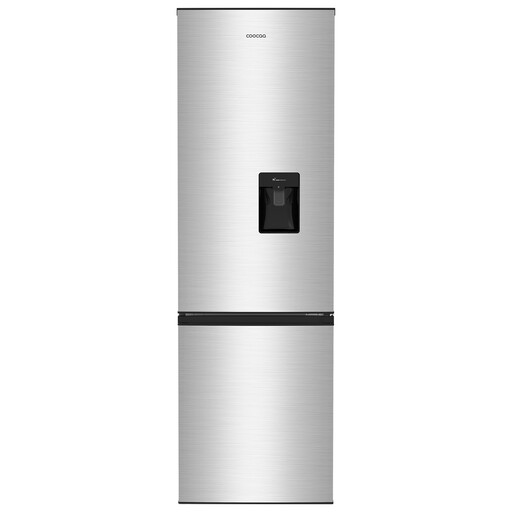
Coocaa SRD-358DBD 268L fridge-freezer
This fridge-freezer is an option if you need a freezer compartment as well as chilled storage for portions.
Stated in the product name: 268L.
View at Joybuy
 No image available
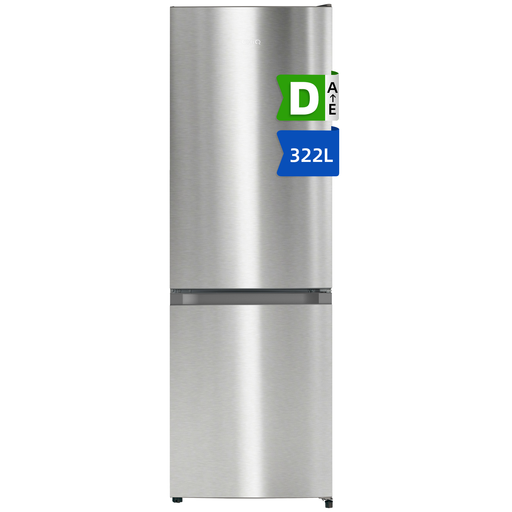
CHiQ JR318WSD 322L Total No Frost, 70/30
This fridge-freezer is worth considering if you’re looking for fridge space for portions as well as a freezer compartment.
Stated in the product name: 322L, 70/30 split, energy class D, 59cm wide and 185cm tall.
Check the dimensions and the clearance needed to open the door where you plan to put it.
View at Joybuy
 No image available
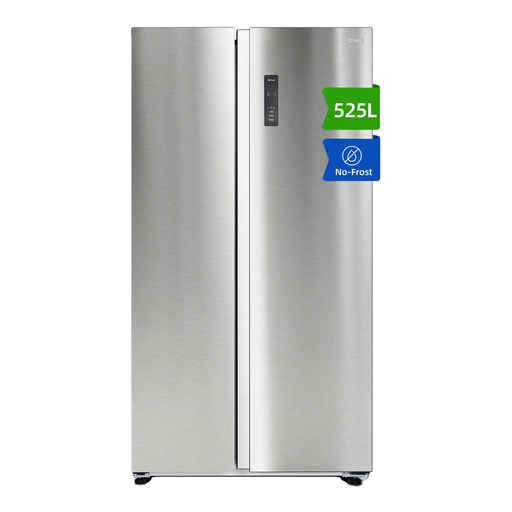
CHiQ JR525WSE 525L side-by-side
This side-by-side model could suit you if you’re looking for larger, separate fridge and freezer compartments in one freestanding appliance.
Stated in the product name: 333L fridge capacity, 192L freezer capacity and energy class E.
Check that the appliance size and door clearance suit the space available.
View at Joybuy
Frequently asked questions
How should I store cooked lentils after a family meal?
To cool larger quantities quickly, divide them between several shallow containers and store them covered in the fridge. The German Federal Institute for Risk Assessment recommends cooling food promptly to below 7 °C, storing leftovers at 2 °C to no more than 7 °C and eating them within two to three days. These are food hygiene recommendations, not a performance guarantee for any particular appliance.
Do I need NoFrost or a zero-degree zone for cooked lentils?
No. For this type of food, cooling it quickly, having enough space and keeping it at the right temperature are what matter. Depending on the model, NoFrost can make defrosting easier; it doesn’t mean cooked lentils can be stored safely for longer.
What should I check about the space available and energy use?
Measure the space, including the clearance needed to open the door, and follow the installation guidance for the specific model. For appliances of a suitable size, compare the stated kWh per year. The German consumer advice centre says you can measure the energy use of an appliance you already own.
What labelling and warranty apply when buying a fridge in Germany?
For new household refrigeration appliances covered by EU rules, the current energy label is also required for online sales; the scale runs from A to G. If a product has a defect, the seller is generally responsible for the statutory consumer rights. A voluntary manufacturer’s guarantee is separate.
What happens to my old fridge?
The German consumer advice centre explains that retailers required to take back larger electrical appliances must do so when you buy a comparable new appliance. Before placing your order, check whether the specific retailer is required to take yours back and how collection is arranged.


