What should you look for when buying?
Start with your existing fridge if there’s room for covered portions and it can keep them at a suitable temperature. If you regularly freeze food or the shared storage space isn’t enough, compare appliances by their individual compartments and the conditions where you plan to install them.
| Priority |
What to check when buying |
Who it matters most to |
| Fridge space for portions |
Check the fridge capacity and shelves against the size of your own shallow containers; check the temperature when you use the appliance. |
If I need to fit several covered portions in a shared fridge, the usable shelf space is what counts. Around 36% of consumers put available fridge space first. |
| Freezer space for food stocks |
Compare freezer capacity and drawer layout separately from fridge capacity; the defrosting system and freezer space are different considerations. |
If I regularly prepare extra portions, I need enough separate freezer space for them. For around 29% of consumers, freezer space is their main priority. |
| Energy consumption |
For suitable appliances, compare the annual energy consumption shown on the current EU energy label and take your own electricity tariff into account. |
If the appliance runs continuously, I want to factor in its energy consumption rather than choose more capacity than I need. Around 21% of consumers prioritise ongoing electricity costs. |
| Fit and noise |
Check the height, width, depth, door opening direction and noise level of the specific model against your kitchen and installation space. |
If the kitchen is near the living area or space is tight, the appliance needs to fit properly, including with the door open. For around 14% of consumers, installation and noise are the main considerations. |
The German Federal Institute for Risk Assessment recommends cooling leftovers to below +7 °C within a few hours; you can divide larger quantities between several shallow dishes to help them cool. The German consumer advice centre recommends −18 °C for freezers. These handling guidelines can’t be replaced by an appliance feature.
Fridge-freezers at Joybuy
This selection includes freestanding fridge-freezers with separately listed fridge and freezer compartments. Compare the layout with the space you need for portions and food stocks.
 No image available
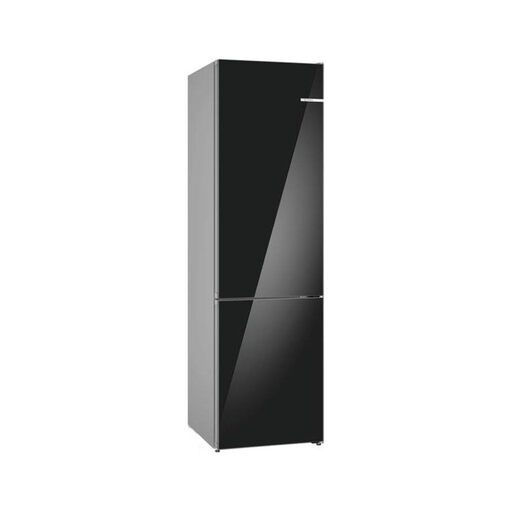
Bosch Serie 6 KGN39LBCF, 363 l, energy class C, black
The separate compartments give you a way to store chilled portions and frozen food stocks separately.
260 l fridge capacity and 103 l freezer capacity; NoFrost; five fridge shelves and three freezer drawers.
Joybuy
 No image available
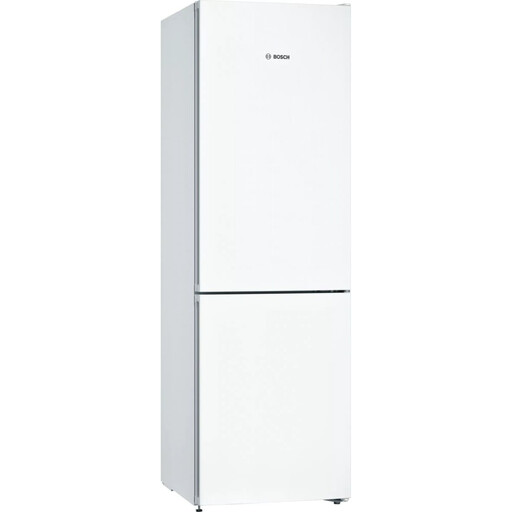
Bosch Serie 4 KGN36VWED, 326 l, energy class E, white
The separately listed compartments and drawers can be compared with the space you’ll need for chilled and frozen portions.
237 l fridge capacity and 89 l freezer capacity; NoFrost; four glass shelves, two of which are adjustable, and three freezer drawers. The product name also includes VitaFresh.
Joybuy
 No image available
LG GBBSJ1CCPY, 333 l, energy class C
The layout offers separate areas for chilled portions and extra frozen food stocks.
220 l fridge capacity and 113 l freezer capacity; Total No Frost; three fridge shelves and three freezer drawers.
Joybuy
 No image available
LG GBBS727AEV Fit&Max, 375 l, energy class A, black
The adjustable shelves and separate compartments may suit different portion sizes and food stocks.
262 l fridge capacity and 113 l freezer capacity; Total No Frost; four fridge shelves, including adjustable shelves. The product description lists a 110° door opening for Zero Clearance+.
Joybuy
 No image available
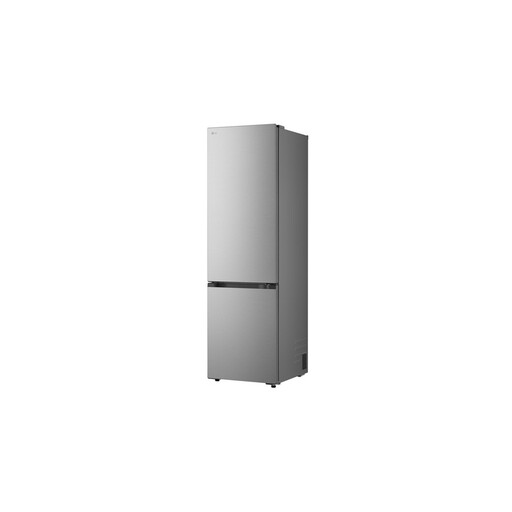
LG GBBSJ2CCPY, 375 l, energy class C, silver
The separate fridge and freezer compartments provide space for chilled portions and food stocks, so you can check how much room you’ll need in advance.
262 l fridge capacity and 113 l freezer capacity; No Frost; four glass shelves and three freezer drawers. The product description lists installation by a qualified professional and a required door opening of 110°.
Joybuy
Frequently asked questions
How long can cooked lentils stay in the fridge?
The German Federal Institute for Risk Assessment recommends cooling leftovers in the home to below +7 °C within a few hours, keeping them chilled and eating them within two to three days. Larger quantities can be divided between several shallow dishes to help them cool. This is food hygiene advice, not a guarantee of how long food will keep in a particular appliance.
How can you store portions separately in a shared fridge?
Keep the lentils covered and separate from other food. Labelling the containers can make it easier to stay organised in a shared flat. The German Federal Institute for Risk Assessment recommends covering and separating food, but doesn’t recommend a particular appliance brand.
What’s a suitable temperature for a freezer compartment?
The German consumer advice centre recommends −18 °C as the optimum freezer temperature. Check the setting of the compartment you actually use, as having enough freezer space alone won’t ensure it stays at the right temperature.
What should housemates check before buying, in terms of space and electricity costs?
Check the appliance dimensions, door opening and installation requirements against your kitchen. For a rough estimate of electricity costs, multiply the annual energy consumption in kWh by your own electricity price per kWh. Actual consumption may vary depending on use and where the appliance is installed. Check transport, connection and any removal of your old appliance separately.
Which energy label applies to fridges in Germany?
Fridges use the EU energy label, with a scale from A to G. Since 2021, the European Union has no longer used the former plus ratings as the current scale for this category. As well as the energy class, compare the stated annual energy consumption and compartment capacities.


