Active people keeping an eye on their protein intake
You want a convenient snack after training, with a clear amount of protein per bar. Whether you need an additional protein product also depends on what else you eat.


If knowing the protein content per bar is your main priority after a workout, a cookie protein bar is likely to suit your needs better than a classic biscuit bar. If you simply want a sweet snack, a biscuit bar may be the better choice. If you’re vegan, have allergies or are sensitive to sweeteners, check the label of the specific product. You don’t necessarily need a protein bar after exercise: according to the consumer advice centre, you can meet your protein requirements with everyday protein-rich foods.
You want a convenient snack after training, with a clear amount of protein per bar. Whether you need an additional protein product also depends on what else you eat.
You’re mainly looking for a sweet biscuit or chocolate snack to enjoy on the go. A classic biscuit bar doesn’t have to provide the same amount of protein per serving as a protein bar.
You prefer a bar labelled vegan, or need to check ingredients and possible allergen traces. Sweeteners and sugar alcohols may also be important when choosing a bar.
First decide whether you’re after a biscuit to enjoy or a snack whose protein content you can compare. Then check the nutritional values for the bar you’ll actually eat, along with the ingredients and packaging information.
| Criteria | What to check | Who it matters to |
|---|---|---|
| Protein per bar | Compare the protein content in grams and the bar’s weight; don’t confuse values per 100 g with values per serving. | If I want to take a protein-rich snack with me after training, what matters is the amount in the bar I’ll actually eat. This is the main reason for buying one for around 40% of consumers. |
| Biscuit treat | Check the bar’s size, as well as its energy, sugar and protein content per serving. | For a sweet snack after exercise, I mainly want to know what a single serving offers; a high protein content isn’t my main aim. Around 30% of consumers put enjoying the biscuit first. |
| Vegan suitability and ingredients | Check the vegan label, protein sources, ingredients list and any possible allergen traces on the specific product. | If I avoid animal-derived ingredients or can’t tolerate certain ingredients, the product’s composition determines my choice. This is the priority for around 20% of consumers. |
| Tolerance of sweeteners | Read the ingredients list and any information about sugar substitutes and excessive consumption. | If I’m sensitive to sugar alcohols, I don’t want to choose a new bar based on its sugar or protein content alone. Around 10% of consumers put this check first. |
A high protein figure on the packaging doesn’t, by itself, tell you whether you need a specialist bar in addition to your usual diet. The consumer advice centre points out that even people who exercise can meet their protein requirements with everyday protein-rich foods.
Choose a bar for its serving size and because it fits into your routine, not because of a general expectation about recovery.
Bars vary in weight, so the same value per 100 g doesn’t tell you how much protein you’ll get from a single bar.
Check the nutritional information per 100 g and per serving. If there’s no serving information, use the stated bar weight to work out the value before comparing products.
A bar may contain sweeteners or sugar substitutes. The consumer advice centre explains that sugar substitutes can have a laxative effect when consumed in larger amounts.
Read the ingredients list and packaging information, particularly if you’re sensitive to these ingredients.
Bars labelled vegan may contain ingredients such as soya or oats. Information about possible traces of other allergens is also relevant.
If you have allergies, check the ingredients list and trace warnings for the specific product rather than relying on the vegan label alone.
The examples below show different types of cookie and biscuit bars. Nutritional values and ingredients refer to the specific product and stated serving size, not to a brand’s entire range.
The Cookies & Cream protein bar is worth considering if you want to compare the protein content of a single 55-g bar.
Protein Cookie Crunch is a cookie protein bar with a serving size of 45 g.
No Whey Bar Butter Cookie is a vegan and labelled lactose-free option among cookie protein bars.
PiCK UP! Original Choco is a classic biscuit bar for a sweet snack after exercise, rather than the same type of product as a protein bar.
This selection includes cookie protein bars in a range of serving sizes. Several options come in multipacks, so if you’d rather buy a single bar than stock up, pay close attention to the pack size.
 No image available
A good option if you’re looking for a portioned cookie protein bar to enjoy after training. The pack contains twelve bars, each weighing 55 g; if you only want to buy one bar, bear the pack size in mind. If you have specific ingredient requirements, check the label on the pack being offered.
 No image available
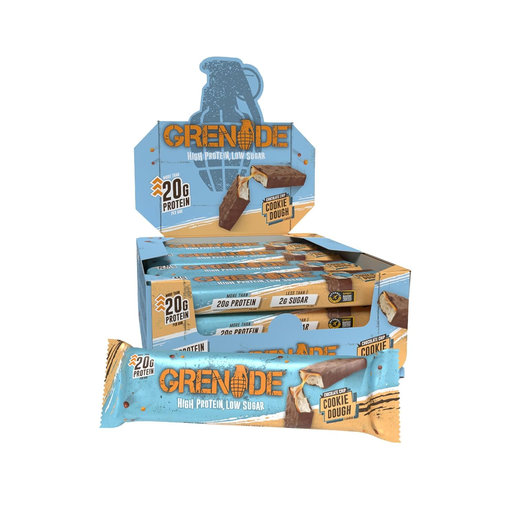
An option if you’d like to take a cookie dough-flavoured protein bar with you after training. The pack contains twelve 60-g bars. Compare the nutritional values per bar and read the ingredient information if sweeteners are important to your choice.
 No image available
A good option if you’re looking for a 40-g protein bar with a Cookies & Cream flavour. If the protein content of the portion you eat matters, compare the nutritional information per 100 g with the bar’s weight. If you have a sensitive digestion, check the ingredients and packaging information too.
 No image available
An option if you’re looking for cookie flavour and individually portioned protein bars in a multipack. The pack contains twelve 45-g bars. Check the protein content per bar on the packaging; don’t assume this is the same product as CORNY Protein Cookie Crunch without comparing the details.
 No image available
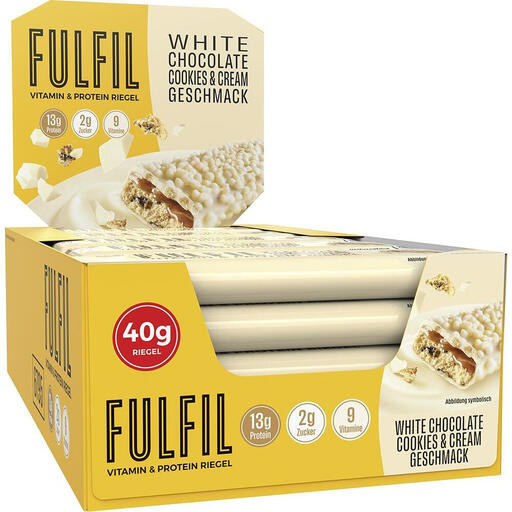
A good option if you’d like to take a 40-g Cookies & Cream protein bar with you. The pack contains fifteen bars. If you take sugar alcohols into account when choosing, compare the nutritional information and guidance per serving.
No, a protein bar isn’t essential. The German Nutrition Society emphasises the importance of getting enough protein; according to the consumer advice centre, even people who exercise can meet their protein requirements with everyday protein-rich foods. A bar is mainly a convenient, portioned snack option.
Use both: values per 100 g make it easier to compare different products, while values per bar show what you’ll get in one serving. The German Food Federation explains the labelling per 100 g; when choosing a snack, the bar’s weight and the protein, energy and sugar in the portion you’ll eat are also relevant.
No, a vegan label doesn’t replace checking the ingredients and possible allergen traces. The Rocka Nutrition No Whey Bar Butter Cookie described by REWE contains soya and oats; according to its label, it may contain traces of milk, egg, peanuts and tree nuts, among other allergens.
For products containing certain sugar substitutes, this warning is relevant to how much you eat. The consumer advice centre explains that these ingredients can have a laxative effect when consumed in larger amounts. So read the ingredients and information for the bar you’re considering, especially if you’re sensitive to sugar alcohols.