
Lieferung heute & morgen

Qualitätsgarantie

Willkommens-Angebote freischalten: KOSTENLOSE Lieferung | Bis zu 80 % RABATT | Kostenlose 30-Tage-JoyPlus-Testphase
App herunterladen
As a Joybuy Product Recommendation Officer, I often see consumers face a challenge when choosing Asian specialities. Rice wine, in particular, presents many pitfalls that can lead to an unsuitable purchase. The wrong product can not only ruin the taste of a dish but also dampen the joy of discovering new beverages. The goal of this guide is to provide you with objective criteria to help you find the right rice wine for your needs.
Two common mistakes repeatedly lead to disappointment:
To avoid these mistakes, it's helpful to understand three core parameters that define a rice wine. These will help you correctly interpret labels and make an informed decision.
This is the most fundamental distinction. The products are not interchangeable and are designed for completely different purposes.
The alcohol content is a direct indicator of the rice wine's character and use.
The origin often provides clues about the style. Chinese rice wine and Korean rice wine are based on different traditions. Fermentation is initiated by different starter cultures—often Jiuqu in China and Nuruk in Korea. This results in different flavour profiles. Korean Makgeolli is typically unfiltered and cloudy, whereas many Chinese rice wines are filtered clear (except for cooking wines, which often have a dark colour from caramel or ageing).
Based on these objective criteria, we have selected a few products from our range that suit different user profiles.
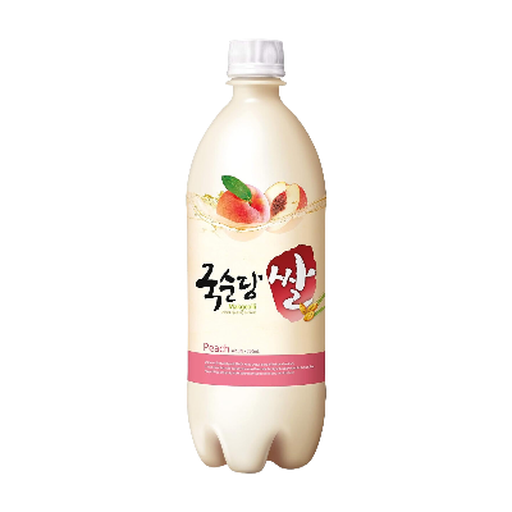
Why This Fits Their Persona: Ideal for anyone trying Korean rice wine for the first time. The sweet and familiar peach flavour provides an easy entry point, and the low 3% ABV is not overwhelming. It's a refreshing, straightforward drink for social gatherings.
The clear labelling as a flavoured beverage with low alcohol content prevents confusion with a cooking wine or a traditional, drier rice wine.
Approachable flavour profile thanks to the peach aroma; low alcohol content (3% ABV); refreshing and lightly sparkling.
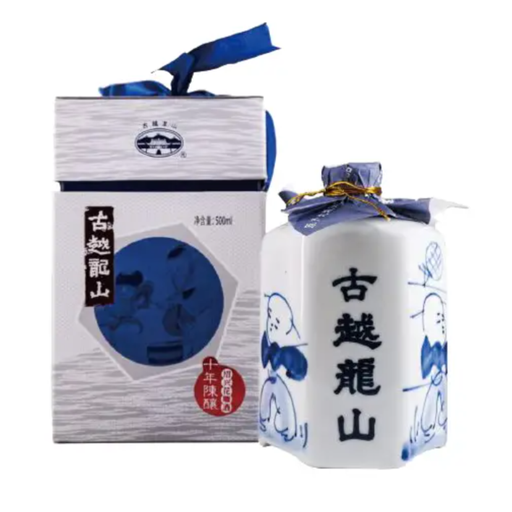
Why This Fits Their Persona: For those who want to prepare authentic Chinese dishes like braised pork belly (Hong Shao Rou) or drunken chicken (Zui Ji). This 10-year-aged Shaoxing wine delivers the complexity and umami flavour that simpler cooking wines can't provide.
This product is unmistakably positioned as a cooking wine. The "10 Years" designation and the name "Shaoxing" immediately signal its purpose to connoisseurs, preventing it from being accidentally purchased for drinking.
10-year ageing for a deep, complex aroma; high alcohol content of 14.5% ABV, ideal for marinating and braising; imparts an authentic, rich flavour to dishes.
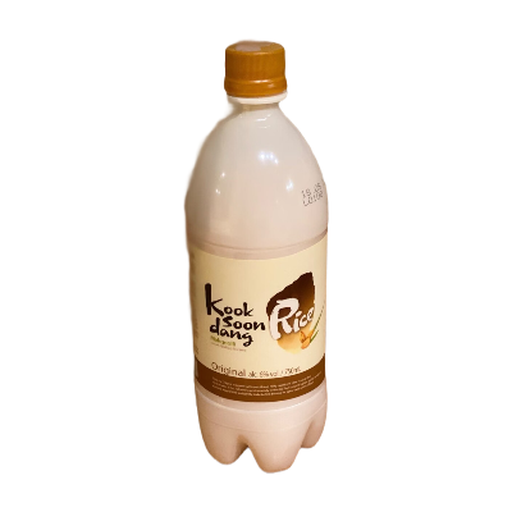
Why This Fits Their Persona: For lovers of Korean culture seeking the authentic, unadulterated taste of Makgeolli. This product offers the classic profile: creamy, a gentle sweet-tart balance, and refreshing. It is the benchmark by which other makgeolli are judged.
As a classic, unflavoured Makgeolli, it is clearly a traditional beverage. It avoids the pitfall of tasting overly sweet or artificial and offers an authentic experience.
Authentic, traditional flavour profile; 6% ABV offers a good balance; a versatile pairing for Korean dishes like Pajeon (pancakes) or Bulgogi.
We have compiled a complete, up-to-date list of products that fully meet these strict selection criteria and quality standards.
1. How should I store opened rice wine? Most drinkable rice wines, especially Makgeolli and low-alcohol sweet varieties, should be stored in the refrigerator after opening and consumed within a few days, as they quickly lose their flavour upon contact with oxygen. Shaoxing wine is more stable due to its higher alcohol and salt content but also benefits from cool storage to preserve its aroma. Always follow the instructions on the label.
2. Can you heat Makgeolli? Traditionally, Makgeolli is served well-chilled. Heating is not recommended as it destroys the delicate carbonation and can alter the sensitive, slightly tart flavour profile. For a warm rice wine experience, certain Chinese rice wines or Japanese sake are more suitable.
3. What is the difference between rice wine and sake? Sake is a specific type of Japanese rice wine made according to a strictly defined brewing process. While all sake is rice wine, not all rice wine is sake. Chinese rice wine (e.g., Shaoxing) and Korean rice wine (Makgeolli) use different rice varieties, fermentation starters (yeasts and moulds), and production methods. This results in distinctly different flavour profiles, textures, and uses.