
Lieferung heute & morgen

Qualitätsgarantie

Willkommens-Angebote freischalten: KOSTENLOSE Lieferung | Bis zu 80 % RABATT | Kostenlose 30-Tage-JoyPlus-Testphase
App herunterladen
The selection of cooking oils on the supermarket shelf can be overwhelming. With so many different varieties, origins, and quality claims, it's difficult to keep track and make an informed decision. Vague labels or marketing buzzwords often lead to poor purchases that affect not only your wallet but also your cooking results. This guide will help you understand the key criteria and find the perfect oil for your culinary needs.
Before we dive into quality characteristics, it's helpful to know two common mistakes that often lead to disappointment:
To make a good choice, you should focus on three objective criteria. These will help you correctly assess an oil's quality and intended use.
The production method has the greatest impact on an oil's flavour, nutrient content, and price.
Especially with olive oil, the quality grades and origin designations are crucial.
The choice of oil should always be matched to the cooking method.
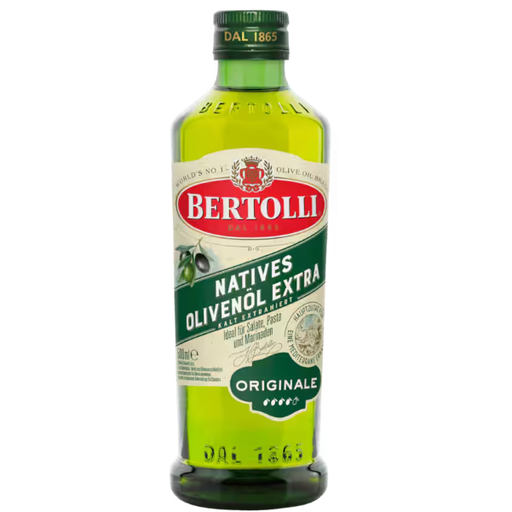
Why This Fits Their Persona: Ideal for home cooks looking for a reliable and versatile Italian olive oil for everyday use. It's suitable for salad dressings, finishing pasta, or lightly sautéing vegetables.
The clear labelling as "Extra Virgin Olive Oil" and "cold-pressed" provides transparency and avoids the trap of vague quality claims.
Balanced, fruity aroma with a light peppery finish. Versatile for both cold and warm dishes (heat-stable up to approx. 180°C / 355°F).
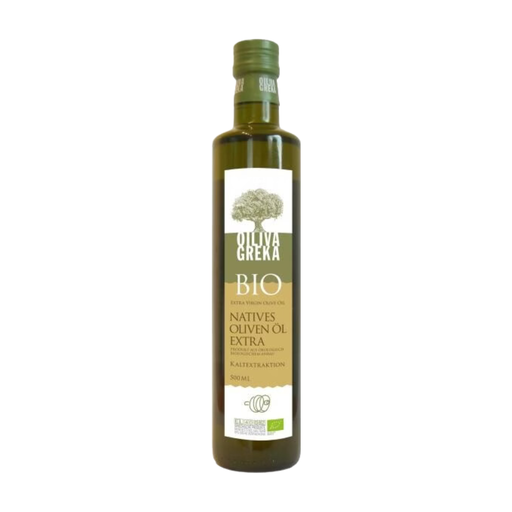
Why This Fits Their Persona: Perfect for health-conscious connoisseurs who value certified organic quality and traceable origin. This Greek olive oil is a pure, natural product for sophisticated cold dishes.
The EU organic seal provides a reliable, legally regulated standard. This makes the product a clear case of an organic cooking oil, distinguishing it from mere marketing claims.
Certified organic quality and cold-pressed to preserve its natural aroma and nutrients. Harmonious, peppery flavour.

Why This Fits Their Persona: An excellent choice for anyone needing a stable oil for frying, baking, and Asian cuisine. This coconut oil for cooking is heat-stable and lends a subtle exotic note to dishes.
This oil solves the problem of using the wrong oil for high temperatures. The product description explicitly notes its high-heat stability, thus preventing improper use.
High heat resistance, ideal for frying and baking. Sourced from organic farming and is cold-pressed, which is a great combination for coconut oil.
We've compiled a complete, up-to-date list of products that fully meet these strict selection criteria and local regulations.
1. How do I store cooking oil correctly to maintain its quality? Most cooking oils, especially cold-pressed ones, should be stored in a cool, dry, and dark place. A dark glass bottle in a kitchen cabinet is ideal. Direct sunlight and heat accelerate the oxidation process, causing the oil to go rancid. Refrigeration is usually not necessary and can cause olive oil to cloud or solidify, though this resolves at room temperature.
2. Can I use cold-pressed olive oil for frying? Yes, but with limitations. Extra virgin olive oil has a smoke point of around 180°C (355°F). It is well-suited for sautéing, braising, and light frying over medium heat. For high-heat searing or deep-frying, you should use more heat-stable oils like refined canola oil, a dedicated high-heat frying oil, or coconut oil.
3. What does the "PDO" (Protected Designation of Origin) label on olive oil mean? The "Protected Designation of Origin" (PDO, or "g.U." in German) seal is an EU quality certification. It guarantees that all production steps—from growing the olives to pressing and bottling the oil—have occurred within a clearly defined geographical region according to a recognised and specified process. This ensures consistent quality typical of that region and protects against counterfeits.