
Lieferung heute & morgen

Qualitätsgarantie

Willkommens-Angebote freischalten: KOSTENLOSE Lieferung | Bis zu 80 % RABATT | Kostenlose 30-Tage-JoyPlus-Testphase
App herunterladen
A quality cooking pot is the foundation for countless dishes, but the sheer number of options can be overwhelming. Sound familiar? Your cupboard is full of pots, yet none seem quite right for the meal you want to make. Or that brand-new pot becomes unusable after just a few uses. To help you make the right choice, we'll highlight the most common purchasing pitfalls and explain the objective criteria that truly matter.
Before diving into materials and types, it's wise to understand the typical missteps that often lead to kitchen frustration.
To avoid a bad purchase, base your decision on three fundamental properties: material, stovetop compatibility, and specialisation.
The pot's material directly impacts heat conduction, retention, and durability.
Before buying, always check the manufacturer's specifications for compatibility with your type of stovetop (gas, electric, ceramic, halogen, induction). For induction cooktops, a base with magnetic properties is essential. A simple test: if a magnet sticks firmly to the bottom of the pot, it is suitable for induction cooking.
Beyond the classic cooking pot, there are specialised shapes for specific tasks:
Instead of making a one-size-fits-all recommendation, we have identified products tailored to specific needs and lifestyles.
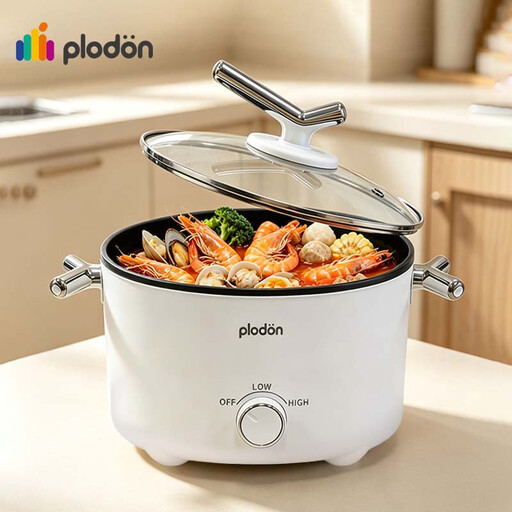
Why This Fits Their Persona: This compact appliance is ideal for dorm rooms or small kitchens where space is at a premium. As an electric multi-cooker, it combines several functions, eliminating the need for a separate stove.
As a standalone electric appliance, it completely sidesteps the stovetop compatibility trap. Its non-stick coating is engineered to work with the device's dual power settings.
Compact design, simple two-level heat control, and an easy-to-clean non-stick interior.
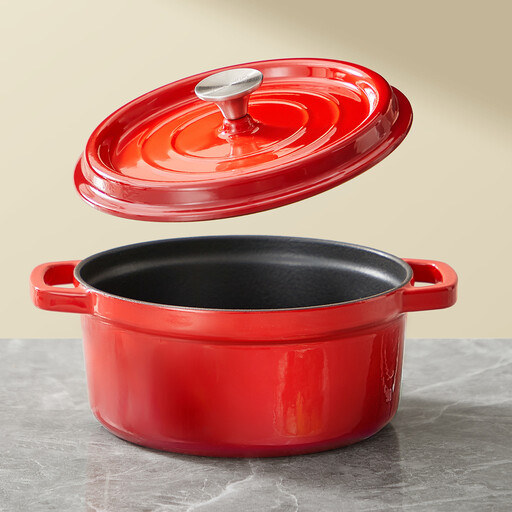
Why This Fits Their Persona: For chefs who value traditional cooking methods and durability. This Dutch oven is an investment for anyone who loves to braise, bake, and slow-cook dishes to perfection.
Cast iron is extremely durable and doesn't rely on a delicate non-stick coating. The enamel layer protects the material and simplifies cleaning without compromising its robustness.
Excellent heat retention for even cooking and serving. Versatile for use on all stovetops, including induction, and in the oven.

Why This Fits Their Persona: Perfect for family gatherings or dinners with friends. The large 7-litre capacity allows for preparing dishes like hot pot or stews for several people at once.
This appliance is specifically designed for cooking large quantities, thus avoiding the mismatched volume trap. Its high 1600W power ensures rapid heating, a common shortcoming in cheaper electric pots.
Very large capacity (7 litres), high power for fast cooking, and a deep design that prevents splatters.
We've compiled a complete, up-to-date list of products that meet these selection criteria.
Look for the induction symbol on the packaging or the bottom of the pot—it looks like a horizontal coil. Alternatively, you can hold a magnet to the base of the pot. If the magnet sticks firmly, the pot is generally suitable for induction cooktops.
To maximise the coating's lifespan, only use utensils made of wood, silicone, or plastic. Avoid metal objects that could scratch the surface. Hand washing is recommended, as harsh dishwasher detergents can damage the coating. Also, allow the pot to cool down before exposing it to cold water.
For those who frequently braise, roast, or bake bread, a cast iron Dutch oven can be a worthwhile investment. Its superior heat retention ensures exceptionally even cooking results, and the material is extremely durable with proper care. For occasional cooking, or if low weight is a priority, pots made from other materials may be a more practical alternative.