
Lieferung heute & morgen

Qualitätsgarantie

Willkommens-Angebote freischalten: KOSTENLOSE Lieferung | Bis zu 80 % RABATT | Kostenlose 30-Tage-JoyPlus-Testphase
App herunterladen
A cooking pot with a lid is part of the basic equipment in many German kitchens. Even so, the wide range of frying pans, soup pots, casserole dishes and roasters often leads to unsuitable purchases. Product pages frequently focus on terms such as “suitable for all stovetops,” “scratch-resistant” or “easy to clean.” What really matters, however, is whether the material, size, coating and care requirements fit your everyday cooking routine.
A pot can be suitable for gas, electric, ceramic and induction cooking if its base is magnetically conductive and sufficiently flat. Older or particularly lightweight models may not have this feature. Always check the manufacturer’s specific information rather than relying solely on the product category.
Oven compatibility is not automatic either. A glass lid, plastic handle or silicone component may limit the maximum permitted temperature. For an oven-safe cooking pot, the pot, lid, handle material and maximum temperature should be listed separately.
A coated frying pan or non-stick cookware can make cleaning easier. However, the surface will only remain intact for longer if you avoid sharp metal spatulas, abrasive cleaners and sudden temperature changes.
With ceramic coatings, buyers should distinguish between “free from intentionally added substances” and a comprehensive safety guarantee. For example, the BUYDEEM model is described by the supplier as featuring a Swiss ceramic coating without PFAS, PFOS or PFOA. Such statements should be understood as manufacturer information, not as medical claims.
A pot with a diameter of 20 cm can hold significantly different quantities depending on its shape. For one person or smaller portions, around 2 to 2.5 litres is often sufficient. Family meals, soups or batch cooking generally call for 3 to 5.5 litres.
Also consider the weight: An enameled cast-iron pot retains heat effectively but is considerably heavier than an aluminium or stainless-steel pan. The total weight, including the lid, should be suitable for your stovetop, sink and available storage space.
A glass lid lets you monitor the cooking process without losing heat through frequent opening. Check whether the lid has a steam vent and whether the knob is oven-safe. Plastic or Bakelite handles often cannot withstand the same temperatures as the body of the pot.
“Dishwasher-safe” does not mean the same thing for every product. Some cast-iron pots are described by their manufacturers as dishwasher-safe, although hand washing is recommended to protect the enamel. According to the product information, the MAXCOOK soup pot made from 304 stainless steel is intended exclusively for hand washing. For ceramic coatings, a soft sponge and mild dish soap are recommended.
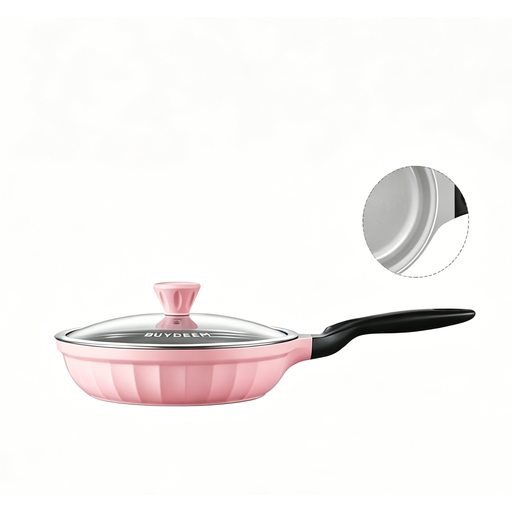
Why it suits this profile: With its 26 cm diameter, 2.4-litre capacity and glass lid, this model is well suited to everyday meals in smaller households and to three or four portions, according to the product information.
According to the manufacturer, the pan is compatible with gas, electric, ceramic and induction stovetops. The care instructions call for hand washing and advise against using metal utensils.
Cast aluminium, ceramic coating, cool-touch handle design and transparent lid. The supplier states that the coating is free from PFAS, PFOS and PFOA.
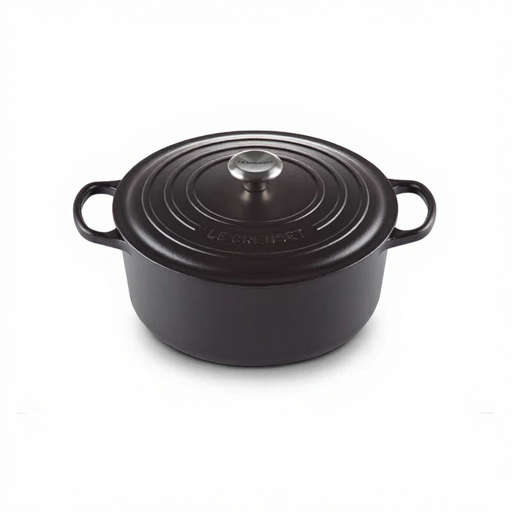
Why it suits this profile: This enameled cast-iron pot is designed for braises, soups, roasts and bread baking, and can move directly from the stovetop to the oven.
The listed weight of 4.305 kg should be taken into account before purchase. The enamel calls for careful cooling and suitable kitchen utensils.
24 cm diameter, 4.2-litre capacity, enamel coating and compatibility with induction, gas, electric, ceramic stovetops and ovens according to the product data.
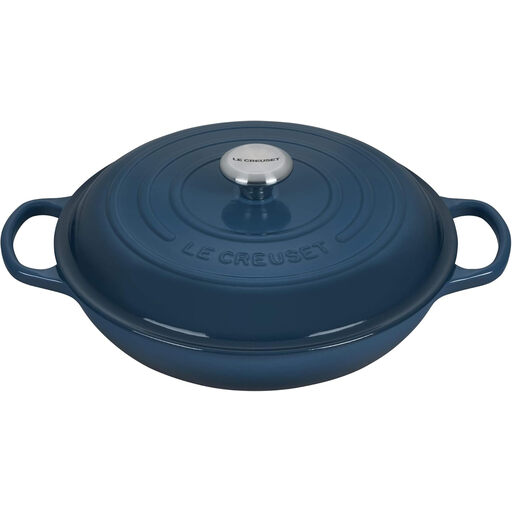
Why it suits this profile: According to the product description, the larger, shallower design is intended for risotto, paella and meals for four to six people.
The stated 3.5-litre capacity and 30 cm diameter make it easier to assess the space required and the portion size in advance. At 5.555 kg, the pot is comparatively heavy.
Enameled cast iron, a tightly fitting lid and use on all common stovetops and in the oven according to the manufacturer’s information.
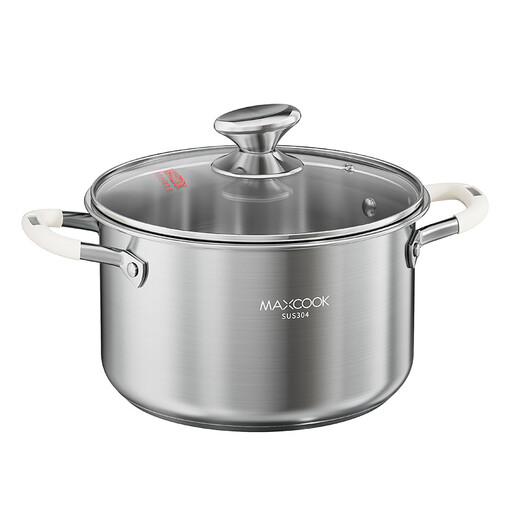
Why it suits this profile: The 20 cm soup pot is suitable for soups, boiling and braising in everyday home cooking when an uncoated pot body is preferred.
The care instructions clearly specify hand washing. This prevents any false expectations regarding dishwasher compatibility.
304 stainless steel, glass lid, silicone handles and an encapsulated base. According to the product information, the pot is suitable for induction, gas, electric and ceramic stovetops.
A regularly updated selection makes it easier to compare products by material, size, stovetop compatibility and care requirements.
Models with a magnetic, flat base are suitable for induction cooking. Look for an explicit statement from the manufacturer. Stainless steel, cast iron and coated aluminium may all be suitable, provided the base has been designed accordingly.
That depends on the material and the handles. Enameled cast iron may be dishwasher-safe according to the product information, although hand washing often provides better protection for the surface. Coated pans and pots should only be placed in the dishwasher if this is expressly permitted.
For several portions, around 3 to 5.5 litres is practical. A 20 cm pot with a capacity of approximately 2.4 to 3.2 litres is better suited to smaller meals, side dishes or soups. For four to six people, a model measuring 26 to 30 cm can provide more room for braised dishes and one-pot recipes.