
Lieferung heute & morgen

Qualitätsgarantie

Willkommens-Angebote freischalten: KOSTENLOSE Lieferung | Bis zu 80 % RABATT | Kostenlose 30-Tage-JoyPlus-Testphase
App herunterladen
Choosing the right wine can be a challenge, whether it's for a casual dinner or to elevate a recipe. The confusion is often greatest when buying wine and cooking wine online. Many home cooks and connoisseurs face the same questions: Is every wine suitable for cooking? And how can you identify a good drinking wine without tasting it first? The wrong choice here leads not only to culinary disappointment but also to unnecessary expense.
This guide will help you navigate the most common pitfalls. We'll show you the objective criteria that matter, so you can find both the perfect wine for your dish and the right bottle to simply enjoy.
To avoid bad purchases, you should focus on verifiable characteristics rather than being swayed by marketing promises.
The most important distinction is the intended use.
The origin and the grape varieties or ingredients used are crucial for the flavour profile.
A close look at the label is essential.
Here are some recommendations tailored to different needs and use cases.
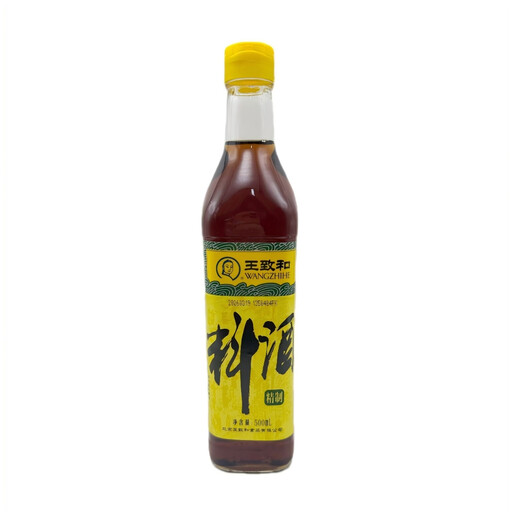
Why this product is a great fit: Perfect for anyone wanting to prepare authentic Chinese dishes. This cooking wine is a versatile all-rounder for marinades, stir-fries, and braised dishes, and a staple ingredient in many Chinese kitchens.
This product is a genuine, salted Chinese cooking wine (Liaojiu), not an unsuitable drinking wine. It delivers the authentic aroma required for many dishes.
Based on rice wine and enriched with natural spices to remove fishy or gamey odours from meat and enhance the ingredients' natural flavours.

Why this product is a great fit: For connoisseurs seeking a high-quality German white wine that pairs well with many dishes. This Pinot Gris from Rheinhessen is a harmonious companion to fish, vegetarian meals, or simply for social gatherings.
Instead of a generic wine with no character, this is a quality wine with a clearly defined origin and grape variety. The flavour profile is clearly described, making it easy to pair with food.
The wine offers a refreshing, lively character with aromas of pineapple, peach, and blossoms. Its semi-dry style provides a well-integrated sweetness, making it very approachable.
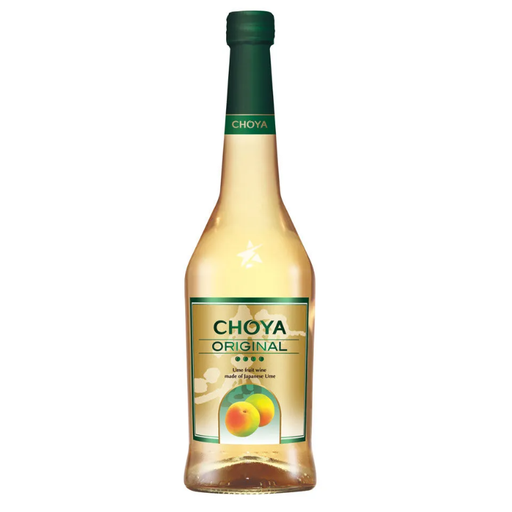
Why this product is a great fit: Anyone looking for a special aperitif or an alternative to classic dessert wines will find an authentic Japanese plum wine here. Ideal for special occasions or as a base for cocktails.
This product clears up any confusion: it is a sweet Umeshu for sipping, not a cooking wine for savoury dishes. Its clear positioning prevents misuse in the kitchen.
Made from Japanese Ume plums, sugar, and spirit. The taste is sweet, mild, and fruity. It can be enjoyed chilled, on the rocks, or in cocktails.
We have compiled a complete, up-to-date list of products that fully meet these strict selection criteria and all applicable regulations.
Yes, for many European dishes like risotto, coq au vin, or light sauces, using drinking wine is common and recommended. Choose a dry white or red wine of solid quality. However, avoid heavily oaked or very sweet wines, as their flavours can become overpowering when cooked. For authentic Asian dishes, a dedicated cooking wine is usually the better choice.
Although both are used in Asian cuisine, there are significant differences. Chinese cooking wine (e.g., Shaoxing wine) is typically amber-brown, has a robust, slightly salty flavour, and is used for marinating and braising. Japanese rice wine for cooking includes sake and mirin, among others. Cooking sake is similar to drinking sake but is often saltier. Mirin is a sweet rice wine that lends a glaze and a mild sweetness to dishes, for example, in teriyaki sauces.
Both types of wine should be tightly sealed and stored in the refrigerator after opening to slow down oxidation. An opened bottle of drinking wine should be consumed within 3–5 days, as it quickly loses its aroma. Salted cooking wine has a longer shelf life due to its salt content, but it should also be refrigerated and used within a few months to ensure the best quality.