
Lieferung heute & morgen

Qualitätsgarantie

Willkommens-Angebote freischalten: KOSTENLOSE Lieferung | Bis zu 80 % RABATT | Kostenlose 30-Tage-JoyPlus-Testphase
App herunterladen
The world of cookware can be overwhelming. From gleaming stainless steel to non-stick all-rounders, every product promises to revolutionise your cooking experience. But all too often, that supposed kitchen saviour turns out to be a bad purchase after just a few months. As your Joybuy Product Recommendation Officer, I'm here to help you separate the wheat from the chaff and make an informed decision. We'll shine a light on the most common pitfalls and the critical features you should look for when buying new cookware.
Before you go to buy a new pot, it's helpful to know the typical issues that lead to disappointment. Many product features highlighted in marketing simply don't stand up to the rigours of everyday kitchen use.
To avoid these traps, you should focus on three objective criteria. These determine the durability, performance, and versatility of your new cookware.
The material is the foundation of a pot's function. Each has specific pros and cons.
The base is the most important component of a pot. A high-quality, warp-resistant base ensures optimal heat transfer and prevents the pot from deforming under heat. For induction cooktops, the base must be ferromagnetic. A simple test: If a magnet sticks to the bottom of the pot, it is suitable for induction. The diameter of the base should also match the size of your cooking zone to avoid energy loss.
Depending on your cooking habits, specialised cookware can be a valuable addition.
Instead of an overwhelming list, we present a few models tailored to specific user profiles and their needs.
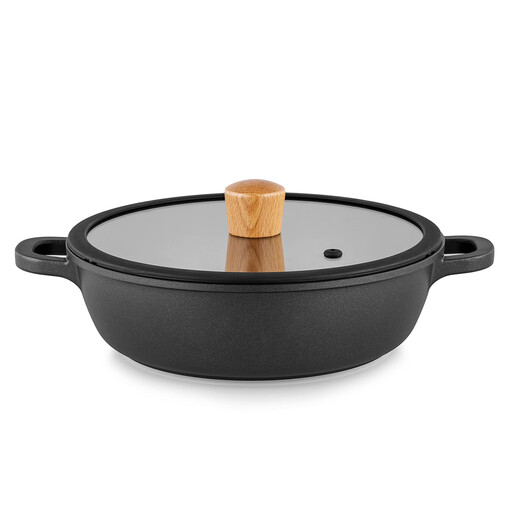
Why This Fits Their Persona: This pot is a true all-rounder for everyday use. It's suitable for boiling, frying, braising, and steaming, replacing several individual pieces. Ideal for families who appreciate straightforward and versatile solutions.
It bypasses the oversized pot set trap by serving as a single, multifunctional pot. The PFOA-free ILAG coating is a transparent quality indicator, not a vague marketing promise.
Combines the functions of a pot and a pan. The non-stick coating makes cleaning significantly easier. Suitable for all cooktops, including induction.
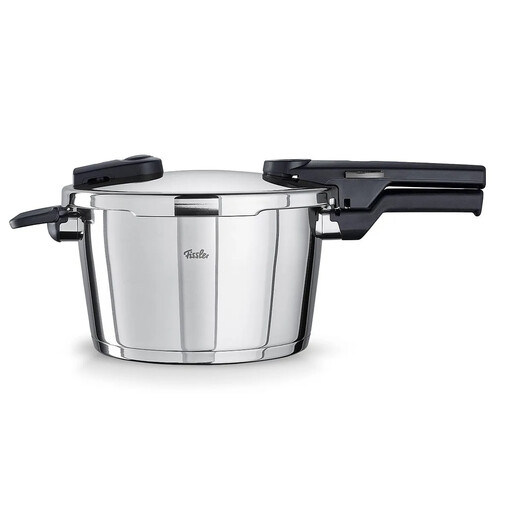
Why This Fits Their Persona: For cooks who value time savings and nutrient retention, a pressure cooker is a worthwhile investment. This model from Fissler represents durability and reliable performance, a staple in German kitchens.
This pot solves the problem of inefficient induction compatibility with its encapsulated Superthermic base, which absorbs and distributes heat optimally. It's a specialised tool, not a compromise.
Significant time and energy savings during cooking. Made from robust 18/10 stainless steel for a long lifespan. Safety features like the locking indicator ensure safe handling.
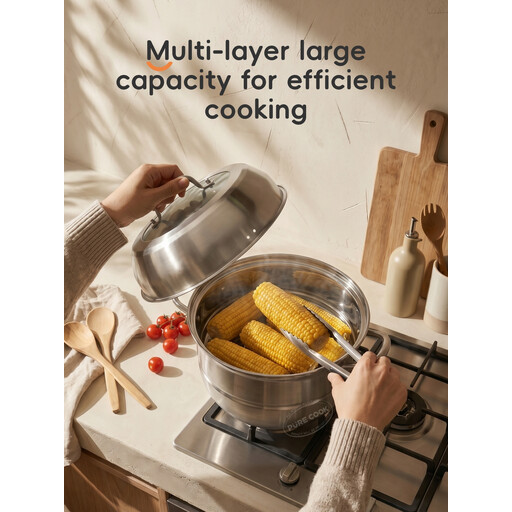
Why This Fits Their Persona: Anyone who prioritises nutrient-preserving preparation will find steaming to be the ideal method. This set offers maximum flexibility to cook entire meals gently and simultaneously.
Instead of a short-lived non-stick coating, this set relies on durable, food-grade 304 stainless steel. It is a specialised tool optimised for a specific cooking method and makes no false "do-it-all" promises.
Large capacity for 6-8 people. A flexible, multi-tiered system allows for simultaneous cooking of different components. The base pot can also be used separately as a regular stockpot.
We have compiled a complete, up-to-date list of products that fully meet these strict selection criteria and German safety regulations.
How can I tell if my old pot is suitable for induction? The easiest way is the magnet test: Hold a standard magnet to the bottom of the pot's base. If the magnet sticks firmly, the pot is ferromagnetic and therefore suitable for induction cooktops. Additionally, many induction-compatible pots have a symbol resembling a coil or a lightning bolt on their base.
How do I properly care for a non-stick coating to make it last longer? To maximise the lifespan of a non-stick coating, you should follow a few basic rules. Avoid extreme heat and never heat the pot while empty. Use only wooden, silicone, or plastic utensils. Clean the pot by hand with a soft sponge and mild dish soap, as harsh detergents and the high temperatures in a dishwasher can damage the coating.
Is an expensive stainless steel pot worth it compared to a cheaper model? The price difference in stainless steel pots is mostly due to the construction of the base. More expensive models typically feature a more complex, thicker sandwich base with a core of heat-conductive materials like aluminium or copper. This leads to significantly better and more even heat distribution, prevents food from burning in certain spots ("hot spots"), and improves energy efficiency, especially on induction stoves. A high-quality base is an investment in better cooking results and durability.