
Lieferung heute & morgen

Qualitätsgarantie

Willkommens-Angebote freischalten: KOSTENLOSE Lieferung | Bis zu 80 % RABATT | Kostenlose 30-Tage-JoyPlus-Testphase
App herunterladen
Choosing new cookware can be overwhelming. Manufacturers tout countless features, but not all live up to their claims in practice. An unsuitable pot doesn't just lead to frustration in the kitchen; it's often a poor investment. Before you decide, it's crucial to understand the most common pitfalls.
Some of the most prevalent problems include:
To avoid these problems, understanding the fundamental product features is key.
Instead of being swayed by marketing buzzwords, you should focus on three verifiable criteria: the material, the base construction, and the right shape for your needs.
The material is the foundation of your cookware's performance and longevity. Each has specific advantages and disadvantages.
The base is the most critical component, especially for an induction pot. For efficient energy transfer, it must lie flat and be made of a ferromagnetic material.
A so-called sandwich base or encapsulated base is a hallmark of quality. In this design, a core of a highly conductive material like aluminium is enclosed between two layers of stainless steel. This ensures fast, even heat distribution throughout the entire pot and prevents food from burning in hotspots.
A pot's shape is tailored to its intended use.
Based on these objective criteria, we have identified several products suitable for different user profiles and use cases.
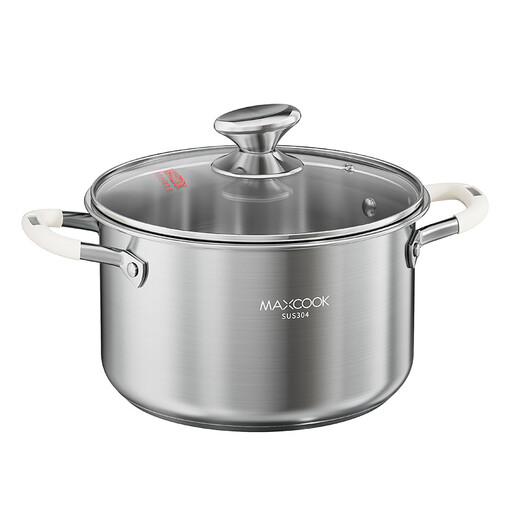
Why it's a great fit: A versatile all-rounder for everyday dishes like pasta, soups, or vegetables. The 304 stainless steel is durable and easy to clean, making it ideal for a first kitchen setup or daily family use.
The composite base is explicitly designed for all hob types, including induction, ensuring solid heat transfer and avoiding the "induction trap" of poor performance.
Durable 304 stainless steel and a glass lid for monitoring the cooking process provide a functional and long-lasting basic setup.
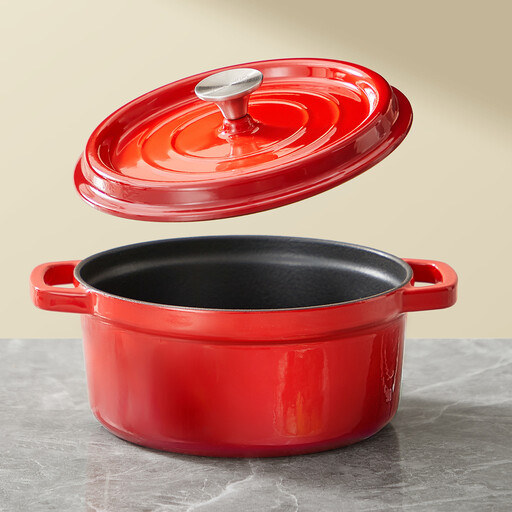
Why it's a great fit: Perfect for dishes that require a long, steady cooking time at low temperatures, such as goulash, roasts, or stews. Its massive construction provides optimal heat retention.
As a specialised cast iron Dutch oven, it avoids the mistake of using the wrong material. Its design is focused on maximum heat retention, not rapid heating.
Enameled cast iron ensures excellent heat retention and distribution. The pot can be used on both the hob and in the oven.

Why it's a great fit: This small milk pan is perfect for heating milk, preparing sauces, or making baby food. The included steamer insert adds versatility for steaming vegetables.
The 316 stainless steel interior offers higher corrosion resistance than the standard, which is an advantage when preparing delicate foods. The silicone handle also prevents burns.
High-quality 316 stainless steel on the inside and an included steamer insert provide a safe and versatile solution for specific cooking needs.
We have compiled a complete, up-to-date list of products that meet these strict selection criteria and safety requirements.
1. How do I recognise a good pot for induction? A key feature is a thick, fully magnetic base. You can easily test this: a magnet should stick strongly and evenly across the entire pot base. In the product specifications, terms like "sandwich base" or "encapsulated base" indicate a design optimised for induction, ensuring good heat distribution.
2. How do I properly care for a cast iron pot? For enameled cast iron, care is straightforward. Clean the pot by hand with warm water and mild dish soap. Avoid steel wool or abrasive sponges. Dry it thoroughly after cleaning. Raw, uncoated cast iron requires special care: it must be regularly seasoned with oil to build up a natural non-stick layer (patina) and protect it from rust.
3. Is a cookware set a better choice than buying individual pots? A cookware set is often an economical choice for outfitting a new kitchen and ensures a uniform look. For experienced cooks or those with special requirements, however, selectively buying individual pots can be more practical. This allows you to choose the optimal material and size for each task—from braising in a Dutch oven to making sauces in a milk pan.