
Lieferung heute & morgen

Qualitätsgarantie

Willkommens-Angebote freischalten: KOSTENLOSE Lieferung | Bis zu 80 % RABATT | Kostenlose 30-Tage-JoyPlus-Testphase
App herunterladen
An excursion into the countryside, a day at the beach, or a picnic in the park—these moments are often made better with home-packed food and drinks. But the enjoyment can quickly fade when your water is lukewarm and your salad has wilted. A cooler backpack offers a practical solution, combining the functionality of a backpack with the insulation performance of a cooler bag.
However, the market is vast, and models differ significantly in capacity, insulation, and features. This guide is designed to help you understand the key characteristics relevant to your needs and presents a selection of backpacks for various applications.
To find the right model, it's helpful to evaluate a few fundamental features. These criteria will help you define your requirements and make an informed decision.
The required size depends directly on its intended use. Are you planning a day trip with the family, or do you just need a lunch backpack for work? Capacity is often specified in litres or by the number of standard cans (e.g., 330 ml) it can hold.
Some models offer a backpack with a cooler compartment that is separate from the rest of the storage space. These dual-compartment systems are particularly practical: the insulated lower section can store drinks and perishable foods with ice packs, while the upper, dry compartment offers space for snacks, utensils, or personal items. This type of picnic backpack keeps everything organised and prevents condensation from reaching sensitive items.
Insulation performance is the core feature of any insulated backpack. It is primarily determined by three components:
Since a fully loaded cooler backpack can be quite heavy, carrying comfort is crucial. Look for padded, adjustable shoulder straps and a breathable back panel made of mesh fabric. An additional chest or hip strap can help distribute the weight more evenly and relieve shoulder strain on longer hikes.
Useful extra features can further enhance its utility. These include side mesh pockets for water bottles, zippered pockets for cutlery or keys, and sometimes even a built-in bottle opener on the strap.
Here is a selection of models that are well-suited for different activities due to their specific features.
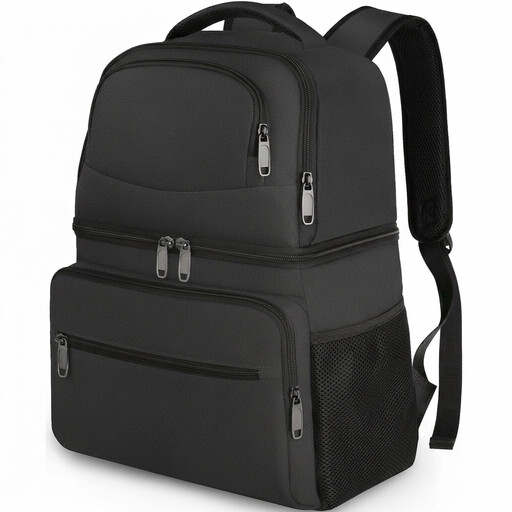
Why it stands out: This model is a classic cooler backpack designed specifically for keeping food and drinks chilled on the go. Its most prominent feature is the two-compartment design. The lower main compartment is fully insulated and leak-proof, ideal for drinks and ice packs. The upper compartment provides dry storage for non-perishable food or accessories.
Advantages:
Who is it for? Ideal for families, couples, and groups looking for a reliable companion for picnics, beach trips, camping, or hiking. It also works well as a spacious lunch backpack for professionals.
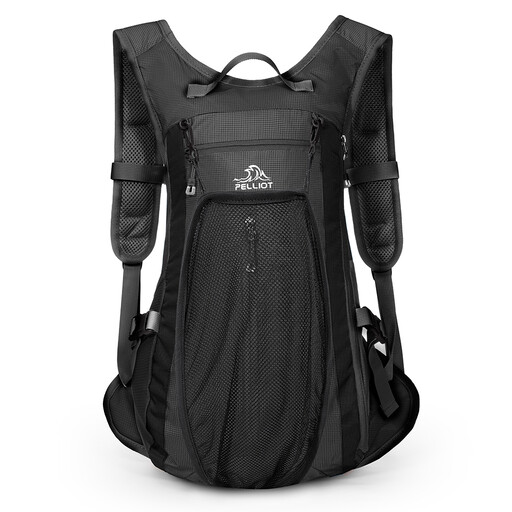
Why it stands out: This backpack prioritises minimal weight and stability. It is not an insulated backpack but a highly functional sports pack. The ergonomic carrying system (S.L.F. – Stable, Lightweight, Quick-Access) ensures the pack fits snugly against the body without bouncing, even during fast movements.
Advantages:
Who is it for? For trail runners, mountain bikers, and athletic hikers for whom every gram counts. It's the right choice when freedom of movement and low weight are more important than a cooling function.
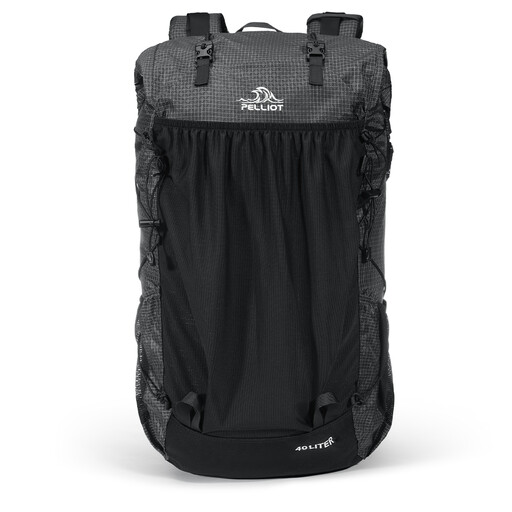
Why it stands out: This model is designed for carrying extensive gear on multi-day hikes. The integrated aluminum frame and scientific load distribution system transfer the majority of the weight to the hips, noticeably relieving the shoulders and back. It does not have a built-in cooling function, but its large volume allows you to carry a separate cooler bag.
Advantages:
Who is it for? For trekking and camping enthusiasts who need a durable and spacious backpack for multi-day adventures. It offers enough room to store a compact cooler bag in the main compartment if needed.
The requirements for a backpack are as varied as the activities themselves. Sometimes, maximum protection from water or an especially low weight is more crucial than a cooling function.
If you're looking for more lightweight and functional models, discover our full selection of lightweight, waterproof backpacks.
The duration of insulation depends on several factors: the quality and thickness of the insulation layer, the ambient temperature, the quantity and type of ice packs used, and how often the backpack is opened. A well-packed cooler backpack can typically keep its contents cool for several hours (e.g., 4-8 hours). For longer cooling times, it is recommended to pre-chill food and drinks in the refrigerator.
The term 'leak-proof' usually refers to the main insulated compartment. The inner linings, made of materials like PEVA, are often heat-sealed to prevent meltwater from ice or cooler packs from seeping through the fabric. However, the zippers themselves are typically only water-repellent, not fully waterproof. Therefore, the backpack should always be transported in an upright position.