
Lieferung heute & morgen

Qualitätsgarantie

Willkommens-Angebote freischalten: KOSTENLOSE Lieferung | Bis zu 80 % RABATT | Kostenlose 30-Tage-JoyPlus-Testphase
App herunterladen
Whether for a picnic in the park, provisions on a hike, or lunch at the office – a reliable cooler bag keeps food and drinks fresh. But the market is overwhelming, and not every model delivers on its promise. As a Joybuy Product Recommendation Officer, I'll help you identify the crucial features and sidestep common purchasing traps, so you can make an informed decision.
Many buyers are swayed by advertising claims that disappoint in practice. Pay close attention to these three points to avoid buyer's remorse:
To make the right choice, you should focus on objective criteria. These three parameters are crucial for the functionality and longevity of your cooler bag.
The cooling performance of an insulated bag depends directly on the materials used. An effective construction typically consists of three layers:
Think carefully about what you need the bag for. A small cooler bag or a lunch bag with a 5 to 10-litre capacity is sufficient for a daily lunch. For a family outing or shopping for chilled groceries, models with 15 litres or more are better suited. Always check the internal dimensions to ensure your food containers or bottles will actually fit. A dedicated bottle cooler can be a useful addition if you primarily transport drinks.
The best cooler bag for food is only as good as its cooling source. Make sure you have enough space for ice packs. These are reusable and prevent the wetness caused by melting ice. A high-quality, well-sealing zipper is also essential to keep the cold air inside and maximise insulation performance.
Here are some recommendations tailored to specific use cases that meet the quality criteria mentioned above.
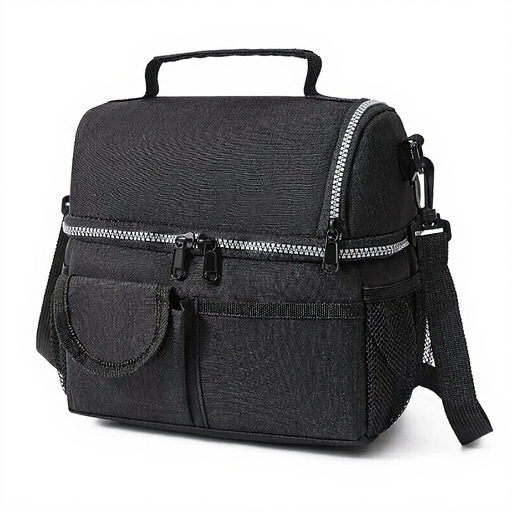
Why This Fits Their Persona: The simple, black design and compact shape make this bag ideal for the daily commute. It offers enough space for a lunch and a snack without being bulky.
The double-layered insulation provides reliable cooling performance that goes beyond a simple lunch bag, keeping food fresh until lunchtime.
The dual-layer construction offers enhanced temperature retention. The design is discreet and functional for everyday use.
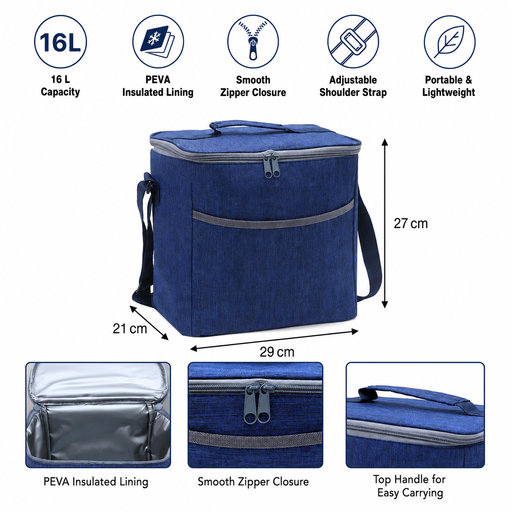
Why This Fits Their Persona: With a 16-litre capacity, this bag offers ample space for a whole family's provisions. The adjustable shoulder strap ensures comfortable transport, even when the bag is fully loaded.
It avoids the trap of insufficient volume. The 16 litres are genuinely usable and not inflated by misleading external dimensions, making it a true picnic bag.
Generous capacity for families. The adjustable shoulder strap enhances carrying comfort on outings.
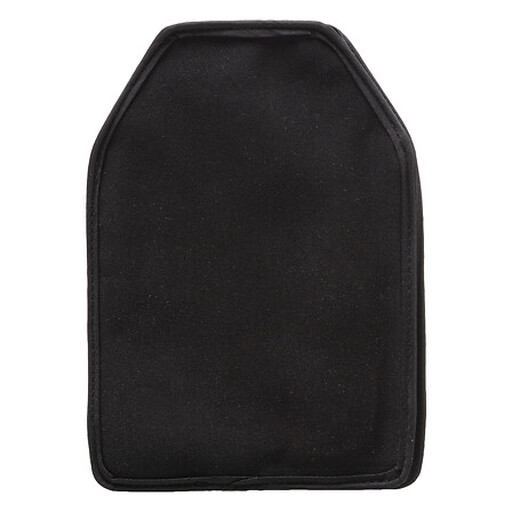
Why This Fits Their Persona: This specialised bottle cooler is designed to transport a single bottle of wine or sparkling wine. Perfect for a dinner with friends or a romantic picnic.
Instead of using a bulky, large bag for a single bottle, this product offers a form-fitting and efficient solution. The integrated cooling gel ensures long-lasting chill.
Compact, elegant design specifically for bottles. The material, made of PVC, neoprene, and water-based gel, provides effective cooling without the need for additional ice packs.
We have compiled a complete, up-to-date list of products that fully meet these strict selection criteria and relevant safety regulations.
The cooling duration depends on several factors: the quality of the insulation, the outside temperature, how often the bag is opened, and the number and quality of the ice packs used. A well-insulated bag, packed with enough ice packs and placed in the shade, can keep its contents cool for 4 to 8 hours or longer.
Most cooler bags have a water-resistant inner lining made of PEVA. Simply wipe it down with a damp cloth and mild soapy water after use. Let the bag air dry completely before closing and storing it to prevent mould growth. The exterior material can usually also be cleaned with a damp cloth.
Yes, for use in a cooler bag, ice packs are generally the better choice. They are reusable, which makes them more environmentally friendly and cost-effective. Additionally, they don't melt into water that could leak and make food soggy. Their flat shape often allows for more space-efficient packing inside the bag.