
Lieferung heute & morgen

Qualitätsgarantie

Willkommens-Angebote freischalten: KOSTENLOSE Lieferung | Bis zu 80 % RABATT | Kostenlose 30-Tage-JoyPlus-Testphase
App herunterladen
On a warm summer day, a trip to the countryside, or during a long workday, the anticipation for a cold drink or a fresh lunch is high. The disappointment is even greater when reality consists of lukewarm beverages and less-than-appetizing food. A quality cooler bag, cooler box, or cooler backpack is essential, yet the market is flooded with products that often fail to deliver on their promises.
As your Joybuy Product Recommendation Officer, I'm here to help you separate the wheat from the chaff. Instead of falling for marketing hype, we'll focus on the facts. Here are the most common traps and how you can make an informed decision.
The 3 Most Common Traps When Buying a Cooler Bag:
To avoid a bad purchase, you should focus on three core parameters that determine the performance and durability of a cooler bag.
Insulation performance is directly dependent on the material and its construction.
The right size depends entirely on your intended use case.
Remember: Always allocate about 20-30% of the volume for ice packs or ice.
Functional details determine how practical a cooler bag is in daily use. Sturdy, padded carrying straps, robust handles, and smooth-gliding zippers are essential. Additional exterior pockets for cutlery, napkins, or a bottle opener significantly enhance convenience.
To make your decision easier, we have selected products for specific user profiles. This selection is based on objective features and construction details.
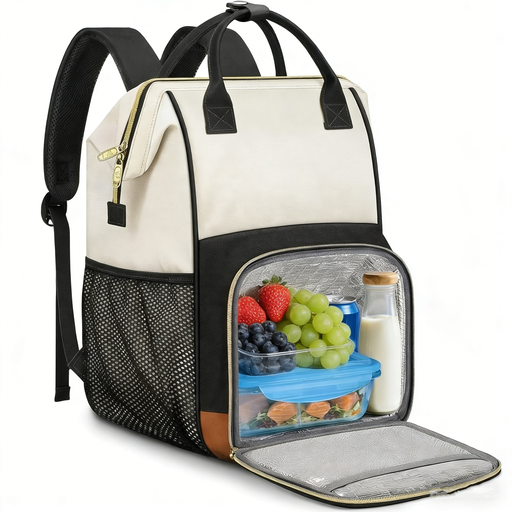
Why This Fits Their Persona: This solution combines a full-featured laptop backpack with an integrated, yet removable, cooler compartment. Ideal for anyone who doesn't want to carry two separate bags for work and meals.
The 2-in-1 design solves the problem of awkwardly handling multiple bags. The construction is designed for daily use, suggesting greater durability of zippers and seams compared to standard picnic-only bags.
Detachable insulated lunch bag, a separate laptop compartment for devices up to 15.6 inches, and a USB charging port for on-the-go power.
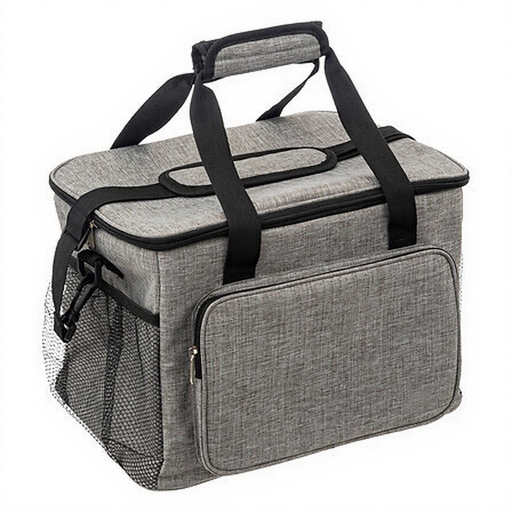
Why This Fits Their Persona: A straightforward and lightweight insulated bag with enough space for a day trip. At 18 litres, it offers a good balance of capacity and portability for a picnic in the park or a day at the lake.
The stated insulation time of up to 4 hours is a realistic figure for a soft cooler of this type. This avoids the trap of exaggerated marketing promises and sets clear expectations.
Excellent value for money for occasional use. The 18-litre capacity is sufficient for a small family's daily needs. The material is easy to clean.
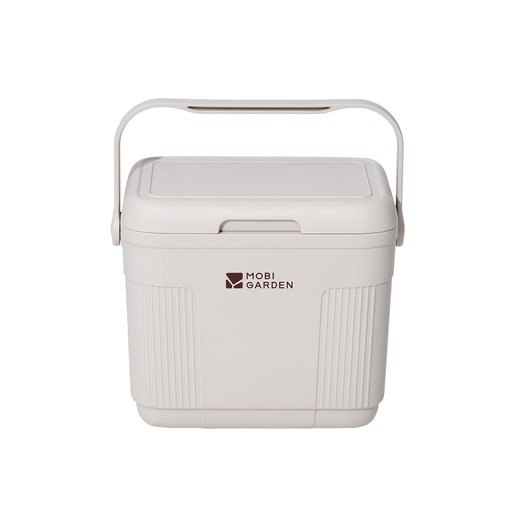
Why This Fits Their Persona: A rugged hard-shell cooler box designed for demanding use during camping, fishing, or long road trips. Its high insulation performance is engineered for multi-day cooling of food and drinks.
The construction, featuring a hard-shell body (food-grade PP) and a tight silicone seal, directly addresses the weaknesses of soft bags: leaks and physical damage. The PU foam insulation is a clear indicator of high and long-lasting cooling performance.
Long-lasting insulation thanks to full PU foam insulation. Robust, impact-resistant design and a 22-litre capacity, sufficient for 4-6 people. Includes two ice boxes.
We have compiled a comprehensive, up-to-date list of products that meet objective selection criteria. Find the right solution for your needs.
Empty the bag completely after each use. Wipe the interior with a damp cloth and a mild soap solution. For models with a leak-proof lining, you can also rinse them out carefully with water. Afterwards, let the bag air dry completely before closing and storing it to prevent mold and odor buildup.
This depends on several factors: the quality of the insulation, the ambient temperature, the ratio of contents to ice packs, and how often the bag is opened. As a rule of thumb: pre-chill the contents and the bag itself, fill any empty spaces with extra ice packs or even crumpled paper, and open the lid as infrequently as possible. A basic insulated bag will keep things cold for a few hours, while a high-quality cooler box with thick PU insulation can maintain the temperature for several days.