
Lieferung heute & morgen

Qualitätsgarantie

Willkommens-Angebote freischalten: KOSTENLOSE Lieferung | Bis zu 80 % RABATT | Kostenlose 30-Tage-JoyPlus-Testphase
App herunterladen
A cooling blanket 150x200 cm is designed to make warm nights more comfortable without feeling heavy on your body. It’s also often used as a summer blanket, sofa throw, travel blanket or lightweight bedspread. Choosing one may seem straightforward at first, but some marketing claims and material details can lead to the wrong purchase.
A textile blanket generally doesn’t generate cold air like an electrical appliance. Terms such as self-cooling blanket usually refer to fibres or surfaces that feel less warm on first contact and are intended to draw heat away from your body. So it’s worth checking whether the product listing gives specific material details, such as a cooling fibre, a two-layer construction or a stated Q-max value.
A thick, fluffy filling can feel cosy on the sofa, but that doesn’t necessarily make it suitable for hot nights. If you tend to get hot and sweaty, look for a low weight, a loose construction and a breathable blanket. A fluffy fleece or faux-fur throw is primarily designed for warmth and comfort, rather than a cool, airy feel in summer.
Technical fibres can be more sensitive to high temperatures, bleach and tumble drying. Before buying, check the washing temperature, drying instructions and storage guidance. A moisture-wicking blanket should also be stored completely dry to prevent unpleasant smells.
The 150x200 cm size is suitable for one person in bed and can also be used as a 150x200 cm sofa throw. It’s handy for travel and camping, as long as the weight and packed size fit your carry bag. However, it may feel a little small as a blanket for two.
Synthetic cooling fibres, microfibre and lightweight blends are common choices for warm nights. Look out for the following details:
A Q-max value describes the initial transfer of heat when you touch a textile surface. A higher value may indicate a cooler feel to the touch. However, it doesn’t tell you on its own how dry or comfortable a blanket will feel over several hours.
If you use a cooling bedspread regularly, it should ideally be machine washable at at least 40 °C. Always follow the manufacturer’s instructions for delicate technical fibres. Avoid fabric softener, bleach and high tumble-dryer temperatures if the care instructions advise against them.
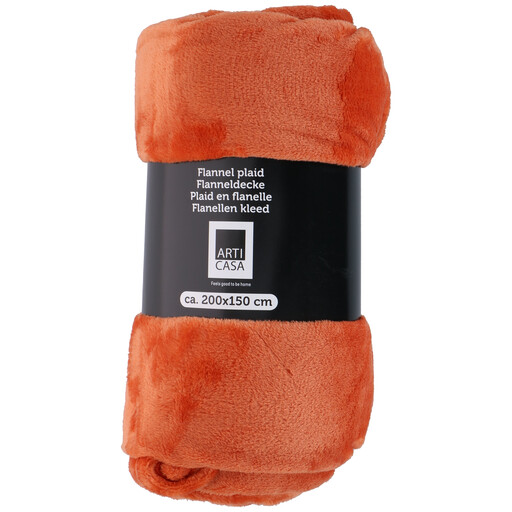
Why this product suits this profile: The 150x200 cm size is versatile enough for the sofa, bed or patio. According to the product description, the blanket is made from polyester and fleece and is machine washable.
The product description clearly states the material, size and care instructions, rather than relying solely on a vague promise of cooling.
Polyester-fleece blend, 150x200 cm size and machine washable, according to the product details.
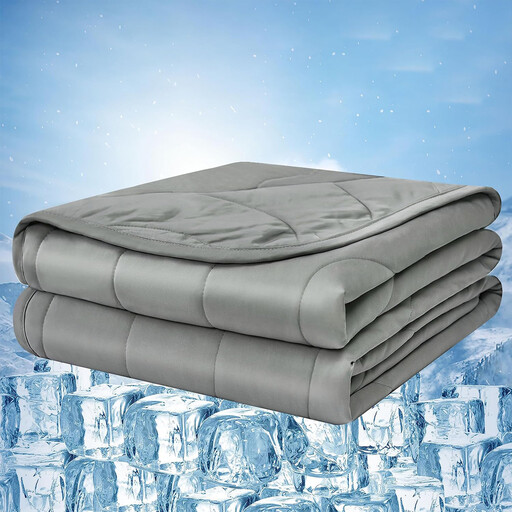
Why this product suits this profile: According to the product description, the blanket features Arc-Chill cooling fibres, a lightweight microfibre filling and a Q-Max value above 0,45. It’s aimed at buyers looking for technical specifications combined with a design suited to summer.
The product listing specifies features such as Arc-Chill and Q-Max, making it easier to assess than vague claims like “extra cool”.
Q-Max above 0,45 according to the product details, machine washable up to 40 °C, and designed for use on the bed, sofa or when travelling.
We’ve put together a complete, regularly updated list of products that meet these strict selection criteria and the safety requirements in force in the EU.
It can be a lighter alternative to thick bedcovers. Look for a low weight, a construction that allows air to circulate and a cover that won’t keep moisture against your skin. However, a blanket to prevent sweating is no substitute for adjusting the room temperature or choosing breathable bed linen.
Follow the care label. For the Laneetal blanket, the product description recommends washing at a maximum of 40 °C, using a laundry bag, and avoiding bleach and high tumble-dryer temperatures. Make sure the blanket is completely dry before storing it, and don’t iron it.
It depends on the filling and room temperature. A lightweight cooling-fibre blanket may be enough in summer and in heated rooms. For cold nights, an extra blanket can be useful. Fleece and faux-fur styles, on the other hand, are designed more for warmth and comfort than for cooling.