
Lieferung heute & morgen

Qualitätsgarantie

Willkommens-Angebote freischalten: KOSTENLOSE Lieferung | Bis zu 80 % RABATT | Kostenlose 30-Tage-JoyPlus-Testphase
App herunterladen
From Your Joybuy Product Recommendation Officer
Rising summer temperatures can significantly disrupt your sleep. Whether you tend to sweat at night, suffer from hot flashes, or are simply looking for a lighter alternative to a conventional duvet, you often face the same challenge: How can you get a restful night's sleep without overheating? A cooling blanket is specifically designed to address this very problem.
This article serves as a comprehensive guide. It explains which features to look for when making your selection and presents a curated list of products tailored to different needs. Our goal is to provide you with an objective basis for your decision.
Choosing the right lightweight summer blanket is simple: three objective criteria will help you make an informed decision.
The core of a self-cooling blanket is its material. Many models use specialised fibres that draw heat away from the body. A key indicator of cooling performance is the Q-Max value. This value measures how cool a fabric feels upon first contact. A Q-Max value above 0.4 is considered highly effective for a noticeable cooling effect. Look for materials described as breathable and moisture-wicking, as these properties are essential for a blanket designed to combat sweating.
Modern cooling blankets often offer more than just a cool surface. A practical feature is a dual-sided (A/B) design. One side is made of the cooling functional fabric for warm nights, while the other side is crafted from a skin-friendly, softer material (like cotton or bamboo viscose) suitable for cooler temperatures or simply for a different feel. This versatility transforms a thin summer blanket into a year-round companion.
A blanket is an everyday item that requires regular cleaning. Always check the manufacturer's care instructions. Ideally, the blanket should be machine-washable without losing its cooling properties or shape. High-quality stitching that prevents the filling from shifting is a sign of durable construction. An easy-care blanket ensures you can enjoy your product for a long time.
Here is a selection of products that meet various demands for comfort and functionality.
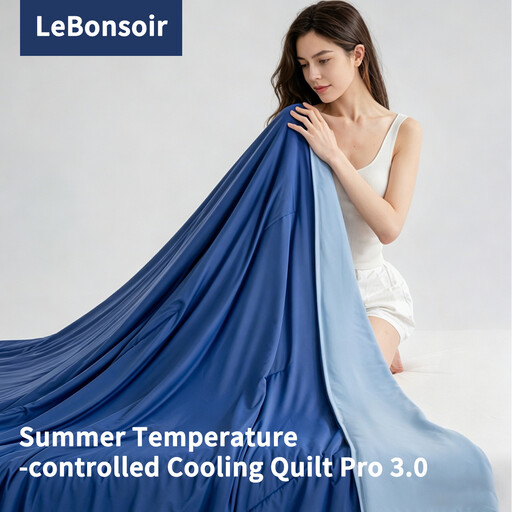
Why it stands out: This model is distinguished by its thoughtful A/B dual-sided design. Side A is made of a cooling fabric that provides a fresh sensation on contact. Side B is crafted from a soft, skin-friendly material that offers a more traditional, cosy feel. This flexibility allows you to adapt to the ambient temperature and your personal preference.
Advantages:
Who it's for: Individuals seeking a flexible solution for varying temperature sensitivities. It's especially practical for people prone to night sweats or hot flashes who need an adaptable blanket.

Why it stands out: The Laneetal blanket relies on a technical material solution. According to the manufacturer, it uses a patented Arc-Chill cooling fibre that achieves a Q-Max value of over 0.45. This delivers an instantly noticeable cooling effect upon skin contact. The construction is engineered to continuously absorb body heat and wick away moisture.
Advantages:
Who it's for: Users looking for a technologically advanced cooling blanket for summer with maximum cooling performance. Ideal for very warm bedrooms or for individuals who sweat heavily.
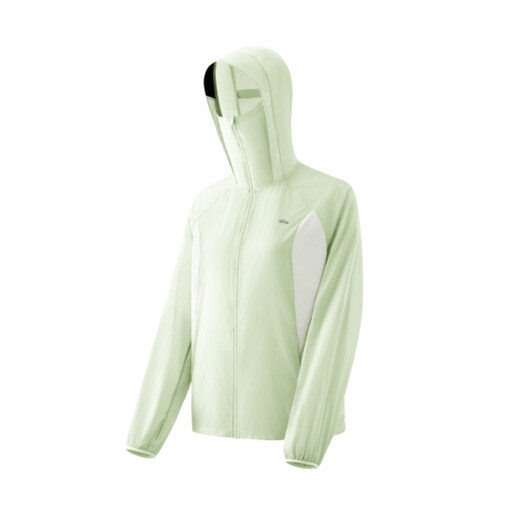
Why it stands out: While a cooling blanket enhances comfort at night, temperature regulation during the day is also crucial. This lightweight jacket from Beneunder complements the concept of personal climate management. It is made from a lightweight, wind- and water-resistant fabric and features breathable panels in high-sweat areas.
Advantages:
Who it's for: Active individuals who need a functional and lightweight layer for everyday life, sports, or travel to stay cool and protected during the day.
Functional apparel and home textiles significantly contribute to your well-being. If you are searching for more stylish yet practical outerwear for different seasons, our selection of luxury coats for women may offer interesting alternatives for you.
1. How does a cooling blanket work? A cooling blanket works by using special materials and weaving techniques. The fibres (e.g., containing jade nanoparticles, special polyethylene, or polyamide fibres) have high thermal conductivity. This means they rapidly absorb body heat and conduct it away from the skin. At the same time, the fabrics are often highly breathable, which promotes air circulation and helps sweat evaporate. This combined effect creates a cooler, drier sleeping experience.
2. Can you wash a cooling blanket? Yes, most cooling blankets are designed to be machine-washable. However, it is crucial to follow the manufacturer's specific care instructions. Typically, a gentle cycle at a low temperature (e.g., below 30°C or 86°F) is recommended. Bleach, fabric softeners, and tumble dryers should often be avoided, as high heat can damage the structure and function of the special cooling fibres. Air-drying in a cool place is usually the best method.
3. Is a cooling blanket also suitable for winter? A cooling blanket is primarily designed for warm temperatures. Its main purpose is heat dissipation, not insulation. However, for people who tend to overheat even in winter ("hot sleepers"), it can be useful year-round, perhaps in combination with another light blanket. Models with a warmer, non-cooling second side offer greater flexibility in this regard. For cold winter nights, however, a classic winter duvet with high insulation properties is generally the more suitable choice.