
Lieferung heute & morgen

Qualitätsgarantie

Willkommens-Angebote freischalten: KOSTENLOSE Lieferung | Bis zu 80 % RABATT | Kostenlose 30-Tage-JoyPlus-Testphase
App herunterladen
Night sweats and the constant search for the cool side of the pillow can significantly impact sleep quality, especially during warm summer months. A cooling pillowcase is a functional solution designed to regulate your sleeping temperature and provide a more comfortable feel. This article serves as a guide, presenting objective criteria and a selection of products to help you make an informed decision.
Choosing the right product depends on the material, technical features, and your personal preferences. Here are three key factors to consider in your decision.
The material is the most critical factor for the cooling effect. Different fabrics offer distinct advantages:
A breathable pillowcase is always a great choice to prevent heat build-up and is an effective pillowcase for combating sweating.
Since the pillowcase has direct contact with your face and hair, skin compatibility is a crucial aspect. Look for certifications like STANDARD 100 by OEKO-TEX. This label ensures that the textile has been tested for harmful substances and is safe for your health. A smooth pillowcase for skin and hair can also reduce friction, which can potentially lead to less hair breakage and fewer sleep creases.
A well-fitting pillowcase contributes to overall sleep comfort. In Germany, the most common standard sizes are the 40x80 cm pillowcase and the 80x80 cm pillowcase. A model with a concealed zipper is often a practical choice, as it securely encases the pillow and prevents it from slipping. At the same time, the hidden closure ensures a continuously smooth surface without any disruptive elements.
Based on the criteria above, we have compiled a selection of products that cater to different needs and preferences.
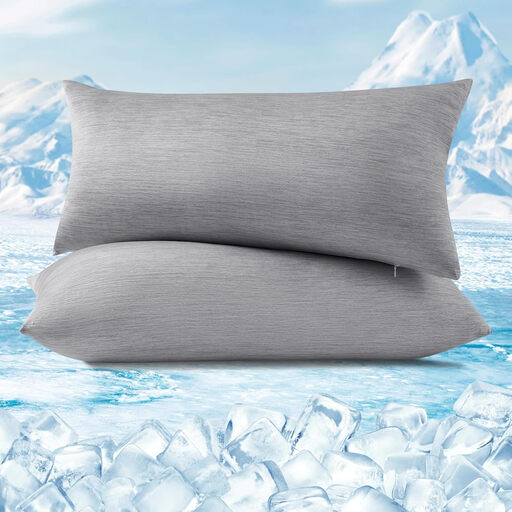
What makes it stand out: This pillowcase uses Arc-Chill cooling technology with a Q-Max value of over 0.45, which, according to the manufacturer, provides an instant cooling effect on contact. The double-sided cooling fibre design is engineered to effectively dissipate body heat.
Pros:
Who it's for: Individuals looking for a pillowcase with a pronounced and direct cooling effect, especially for use with the standard 40x80 cm size.
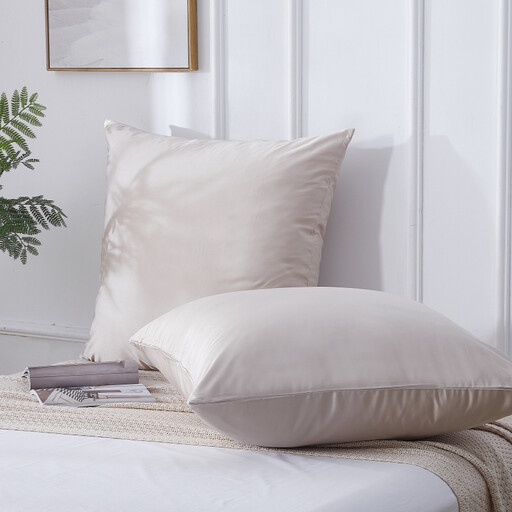
What makes it stand out: Crafted from 100% bamboo viscose in a dense, 300-thread-count weave, this pillowcase offers natural breathability and moisture-regulating properties. The silky-smooth texture is a hallmark of this material.
Pros:
Who it's for: Users who prefer natural materials and are looking for a solution for sensitive skin or allergies. Ideal as a summer pillowcase that also provides year-round comfort.
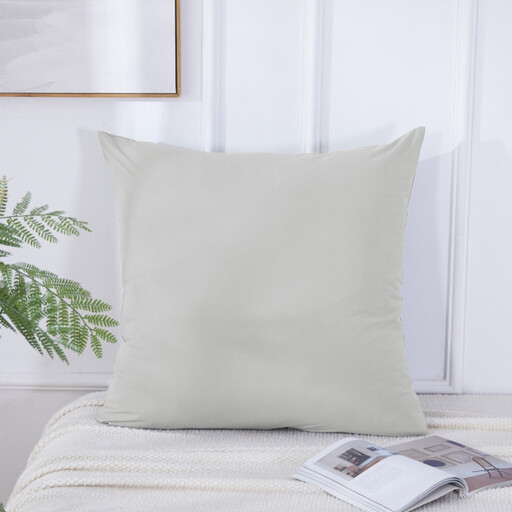
What makes it stand out: The material blend of 90% nylon and 10% spandex gives this pillowcase an elastic, snug fit and a noticeably cool feel. The knit fabric is also designed to be resistant to snagging.
Pros:
Who it's for: Users looking for a very smooth, elastic, and durable pillowcase with a cooling feel for an 80x80 cm pillow.
If the models featured here don't exactly match what you're looking for, or if you'd like to explore more materials and designs, you can find a wider selection in our category.
? Discover more summer pillowcases
A cooling pillowcase doesn't actively generate cold. Its effect is based on the thermal properties of the material. Fabrics with high thermal conductivity (like special nylon-PE blends) or high breathability (like bamboo viscose) draw body heat away from the skin more quickly and release it into the surrounding air. At the same time, moisture like sweat is effectively wicked away, which creates evaporative cooling and prevents a clammy feeling.
Yes, a bamboo pillowcase is an excellent choice for the summer. Bamboo viscose is naturally breathable and can absorb multiple times its own weight in moisture without feeling wet. These properties help keep your skin dry and your sleeping temperature comfortable.
Always follow the manufacturer's care instructions on the label. Generally, it is recommended to wash cooling pillowcases on a gentle cycle at low temperatures (e.g., 30°C or 40°C). Avoid using bleach and fabric softeners, as they can clog the fibres and impair breathability and moisture-wicking properties. Air-drying or tumble drying on low heat is usually the best method to preserve the fabric's structure and function.