
Lieferung heute & morgen

Qualitätsgarantie

Willkommens-Angebote freischalten: KOSTENLOSE Lieferung | Bis zu 80 % RABATT | Kostenlose 30-Tage-JoyPlus-Testphase
App herunterladen
A cooling summer duvet should feel pleasantly lightweight in high room temperatures, avoid trapping excess moisture and be easy to care for. However, not every duvet marketed as a cooling duvet is suitable for every sleeping situation. The key factors are the material, size, filling weight, care instructions and the actual type of cooling effect.
A summer duvet does not normally create cold air like an air conditioner. Cooling textiles may draw body heat away more quickly or initially feel fresh when placed on the body. This effect depends on factors including skin contact, room temperature, humidity and the bedding used.
With a temperature-regulating duvet, it is therefore worth checking whether the manufacturer merely refers to a cool feel or provides specific material details. For example, the WOLTU model specifies a Q-Max value of over 0.45. This value describes the initial transfer of heat at the contact surface, not continuous active cooling.
A large duvet can still feel heavy and warm despite being designed for summer. This applies particularly to models filled with down or feathers. A higher weight is not automatically a sign of quality. If you tend to sweat easily, look at the filling quantity, material composition and breathability.
Even a lightweight summer duvet can be sufficient on cooler nights, while a more generously filled duvet may be better suited to transitional seasons. Your personal sensitivity to heat is an important factor.
A machine-washable summer duvet is practical for everyday use, provided your washing machine, drum capacity and drying options are suitable for the duvet. Some cooling textiles may only be washed on a delicate cycle below 30 °C and must not be tumble-dried or ironed. Incorrect care can damage the surface, seams or filling.
Before buying, it is worth checking:
A breathable duvet should allow air to circulate and avoid holding moisture against the skin for long periods. Cotton covers are often chosen for their natural feel and breathability. In synthetic cooling textiles, special fibre blends can provide a smooth, cool feel.
For people who experience night sweats, a design with secure stitching is also useful. Quilting keeps the filling in place and can prevent it from shifting significantly after washing. However, this does not replace regular cleaning and thorough drying.
A reversible duvet offers two different surfaces. With the Summer Cooling Textile, one side features cooling material, while the other is described as a softer, non-cooling surface. This allows you to turn the duvet over according to the room temperature and your personal preference.
A classic cotton summer duvet with a feather and down filling feels different. It provides an airy, textile sleeping environment, but does not contain a designated cooling fibre. Anyone sensitive to feathers or down should check the material details and consider their own tolerance.
The size should suit your mattress, bed frame and preferred way of sleeping under the covers:
Before buying, also check whether your existing duvet cover has the same dimensions. A different size can lead to creasing, a shifting filling or uneven coverage.
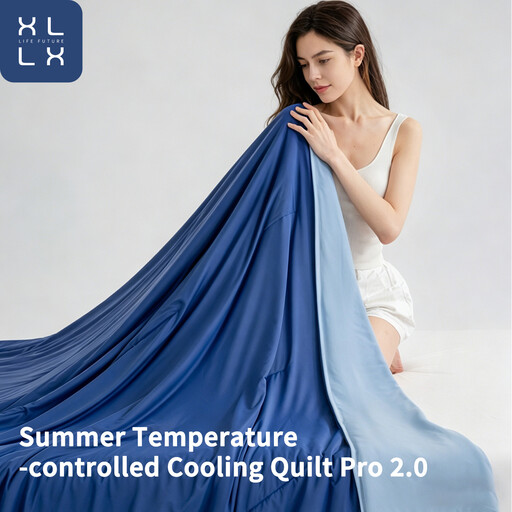
Why this product suits the profile: Measuring 150 x 200 cm, this duvet is aimed at individuals looking for a thin cooling duvet for summer with two different surfaces.
The reversible design makes the advertised cooling side easy to understand. Care instructions specify a delicate cycle below 30 °C, no ironing and drying in a cool place.
Dual-sided design, machine washable according to the care instructions, and also described as suitable for the sofa, travel or the office.
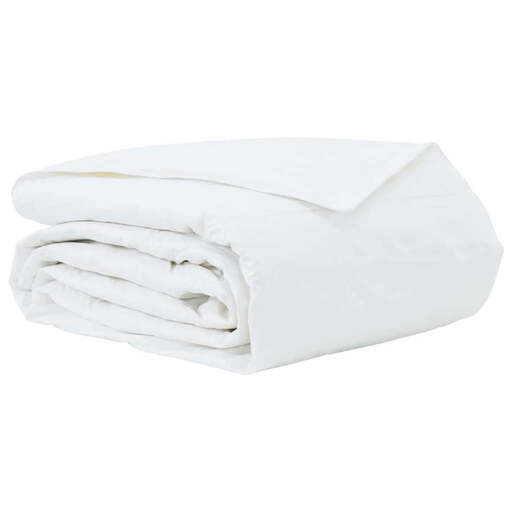
Why this product suits the profile: Measuring a generous 240 x 200 cm, this summer duvet is suitable for double beds and users who prefer a classic cotton cover with a feather and down filling.
The box quilting keeps the filling evenly distributed. Before buying, the stated 2.1 kg weight and feather and down blend should be considered alongside your personal sensitivity to heat.
Cotton cover, box quilting, stated breathability and machine washing up to 40 °C according to the product details.
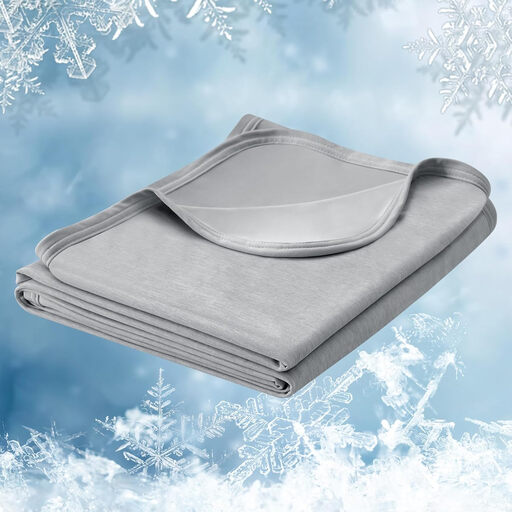
Why this product suits the profile: This lightweight duvet for warm nights is foldable and, according to the product description, is intended for use in bed, on the sofa, when camping, travelling and during outdoor activities.
The product details state the Q-Max value and point out that cooling comfort may decrease during extended use. This helps set more realistic expectations about its effect.
Dual-sided design, 150 x 200 cm, machine washable up to 30 °C and with a stated weight advantage for transport and camping.
We have put together a complete, regularly updated list of products that fully meet these strict selection criteria and the safety regulations applicable in the EU.
To help a cooling duvet retain its properties for as long as possible, wash it according to the label. A delicate cycle, sufficient space in the drum and thorough drying reduce the risk of odours or lumpy filling. Feather and down duvets benefit from regular airing, although vigorous shaking should be carried out in a way that is suitable for the material.
A duvet designed to combat night sweats cannot replace a comfortable room temperature, breathable nightwear or adequate ventilation. If you regularly experience heavy night sweats or hot flushes, the cause should be investigated independently of the duvet.
A 150 x 200 cm summer duvet is suitable for many single beds. If you move around a lot during the night or need more coverage at the sides, you can choose a larger option. The important factors are the mattress dimensions, duvet cover and your preferred way of sleeping under the covers.
Its lifespan depends on the material, sewing quality, washing frequency, drying and storage. Secure quilting can help limit movement of the filling. Cooling textiles should not be washed at a higher temperature than permitted by the care instructions and should be stored only once completely dry.
A textile cooling duvet does not require electricity and therefore has no energy costs during use. Ongoing expenses mainly result from washing, a professional laundry service where necessary and eventual replacement. The cooling effect depends on the material and how it is used, and should not be equated with electrically powered cooling.