
Lieferung heute & morgen

Qualitätsgarantie

Willkommens-Angebote freischalten: KOSTENLOSE Lieferung | Bis zu 80 % RABATT | Kostenlose 30-Tage-JoyPlus-Testphase
App herunterladen
The "Spiel des Jahres" (Game of the Year) award highlights outstanding board games, but not every recommendation suits every type of player. A careful evaluation is crucial, especially when searching for an engaging experience for two people. Many games designed for larger groups lose their appeal when played by two, while others use attractive visuals to mask a lack of strategic depth. This guide will help you avoid the common pitfalls and find a cooperative game that provides long-term enjoyment.
Before you decide on a game marketed as a "cooperative game for 2 players," you should be aware of three common issues that can diminish the fun:
To make an informed decision, focus on three objective criteria that define a high-quality 2-person game.
The nature of the collaboration is critical. A true cooperative game for 2 players requires both partners to work together toward a common goal and lose together if they fail. The Sky Team board game is a prime example, as it relies on non-verbal coordination between the pilot and co-pilot. Pay attention to the core mechanic: Is it dice placement, card management, or deduction? The mechanic should encourage collaboration, not just parallel play.
A high degree of replayability is often linked to variable components. These include:
A strong theme significantly contributes to the atmosphere. Check how deeply the theme is integrated into the game mechanics. In a flight cockpit game, the players' actions (e.g., placing dice) should directly reflect the cockpit's functions—such as extending the flaps or communicating with the tower. If the theme is just a loose veneer for abstract mechanisms, the immersion quickly fades.
Based on the criteria above, we have compiled a selection of games for various preferences.
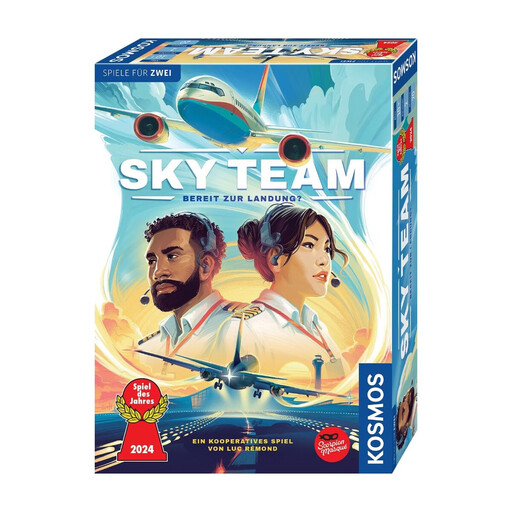
Why This Fits Their Persona: Ideal for player pairs seeking a high-tension strategic challenge. The "Game of the Year 2024" award is a clear quality signal that is a deciding factor for this target audience.
It was developed exclusively for two players, thus avoiding the problem of unbalanced rules. The 21 missions offer enormous variability and prevent low replayability.
Unique, non-verbal cooperation mechanic; high thematic immersion through the cockpit scenario.
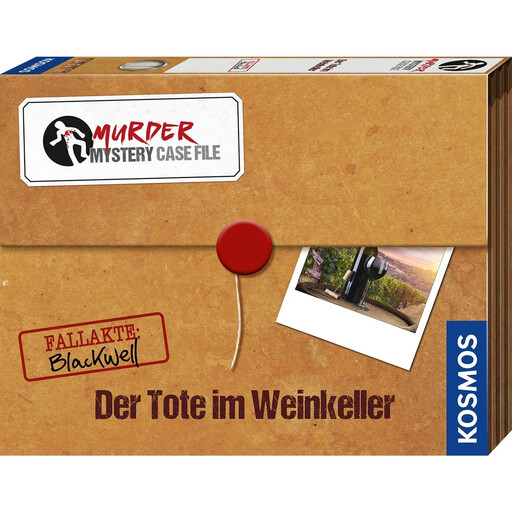
Why This Fits Their Persona: Perfect for duos who prefer a narrative experience and collaborative puzzle-solving over abstract strategy. They want to experience a story and solve a case, ideal for a thematic game night.
Here, the theme is the core of the game, not a superficial facade. Designed as a one-time experience, it delivers a dense, self-contained story, bypassing the issue of replayability by maximizing immersion.
Feels like a real investigation file; includes over 50 realistic pieces of evidence like photos and witness statements.
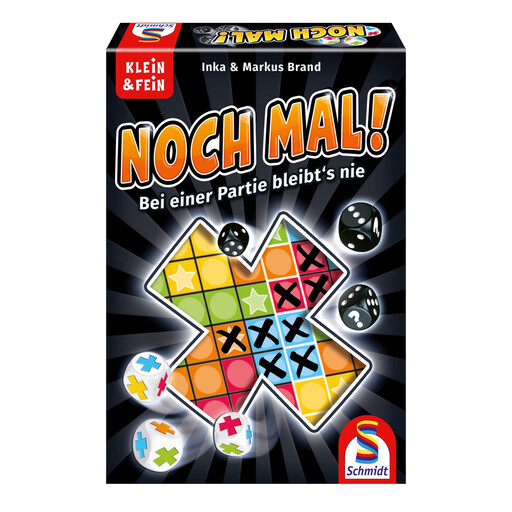
Why This Fits Their Persona: For couples and friends looking for a fast-paced dice game with simple rules. It's perfect for a quick game in between, without extensive setup or a steep learning curve.
The game principle works excellently with two people, avoiding the balance issues found in many other games. The replay value is naturally very high due to the random dice rolls and simultaneous turns.
No downtime, as all players act simultaneously; very quick to learn and highly engaging.
We have compiled a complete, up-to-date list of products that meet these strict selection criteria and comply with current regulations.
A single mission in the Sky Team board game typically lasts between 15 and 20 minutes. The short playtime makes it easy to attempt several landings at different airports in a row or to play a quick game when you have limited time.
Yes, the basic rules of Sky Team are simple and quick to learn. The challenge and strategic depth come from the non-verbal communication and the specific conditions of each mission. The game gradually introduces players to more complex scenarios, making it accessible even for less experienced board gamers.
Sky Team is specifically designed as a board game for couples or two-person teams. It promotes teamwork and mutual understanding, as you have to anticipate your partner's actions without communicating directly. The shared success after a tricky landing creates a positive, bonding experience.