
Lieferung heute & morgen

Qualitätsgarantie

Willkommens-Angebote freischalten: KOSTENLOSE Lieferung | Bis zu 80 % RABATT | Kostenlose 30-Tage-JoyPlus-Testphase
App herunterladen
A corded stick vacuum is often a practical and cost-effective solution for quick clean-ups, especially in smaller apartments or as a secondary device. However, the market is saturated with models whose marketing promises often outstrip their actual technical performance. Before making a purchase, it's crucial to understand the common pitfalls to avoid investing in a device that quickly loses power or proves impractical to use.
Many consumers focus on a single metric or a flashy feature, overlooking crucial design aspects that determine a vacuum's longevity and user-friendliness.
bagless vacuum seems economical at first. However, if the filter is not washable or is made of low-quality material, it will clog quickly. This not only leads to a rapid loss of suction but also forces frequent and costly purchases of replacement filters.lightweight vacuum is only advantageous if it is well-balanced. Many budget models are top-heavy, which makes handling them strenuous over time. Furthermore, fragile plastic joints or an overly short cord can severely limit everyday usability.To make an informed decision, you should focus on objective, practical criteria rather than marketing buzzwords.
For most applications in homes with predominantly hard floors, a motor with a power rating between 500 and 600 watts is perfectly adequate. This power level offers an excellent balance of suction and energy efficiency. More important than the raw wattage is the overall system of the motor, nozzle design, and airflow engineering. A budget-friendly vacuum can certainly deliver impressive results if its design is well-executed.
A multi-stage filtration system is crucial for clean exhaust air and sustained high suction power. Look for the following features:
small apartment, a volume of 0.5 to 0.8 litres is often sufficient. For larger areas or households with pets, a container with a capacity of over 1 litre is more practical, as it requires less frequent emptying.A 2-in-1 vacuum that can be converted into a corded handheld vacuum in a few simple steps offers maximum flexibility. This allows you to clean not only floors but also upholstery, car interiors, or hard-to-reach corners. The weight of the device should ideally be under 3 kg in stick mode and under 1.5 kg in handheld mode to ensure fatigue-free use.
Instead of making a one-size-fits-all recommendation, we have identified models that are tailored to specific user profiles and their requirements.
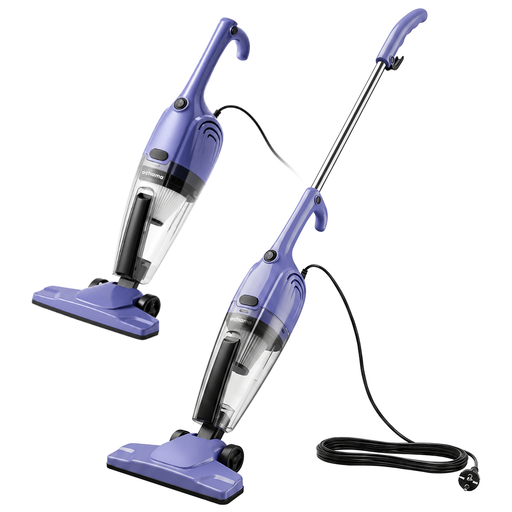
Why it's a good fit: Ideal for students or a first apartment. The 2-in-1 function saves you from buying a separate handheld vacuum, making it a space-saving and budget-friendly choice. Perfect for quick cleaning of hard floors and small rugs.
This model avoids the hidden costs pitfall with an easy-to-clean, washable filter. The 500W power rating is transparent and perfectly suited for its intended purpose (small apartments, hard floors).
The combination of a very low weight, slim design, and 2-in-1 functionality makes it an extremely practical and straightforward solution for daily use.
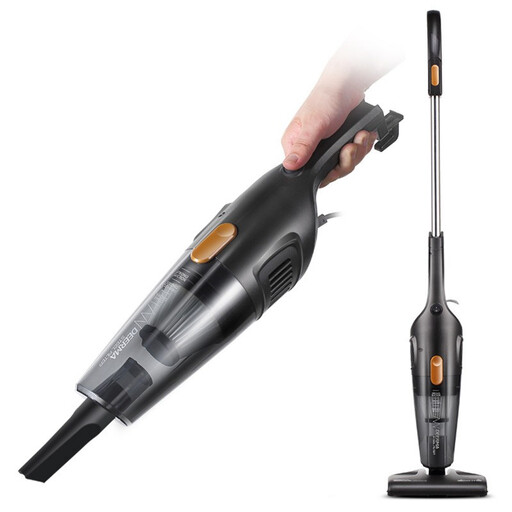
Why it's a good fit: Suitable for small families or as a second vacuum for quick, in-between clean-ups. The larger dustbin (1.2 L) and solid performance are ideal for efficiently tackling daily dirt without constantly having to empty the container.
With 600W and 15 kPa, this model provides clear performance data that ensures good suction for this category of device. It avoids the trap of vague promises. The combination of HEPA and sponge filtration creates a robust system.
A well-balanced combination of power (600W), capacity (1.2 L), and filtration (HEPA) in a lightweight and versatile 3-in-1 design. The low weight of approx. 1.6 kg makes it very comfortable to handle.
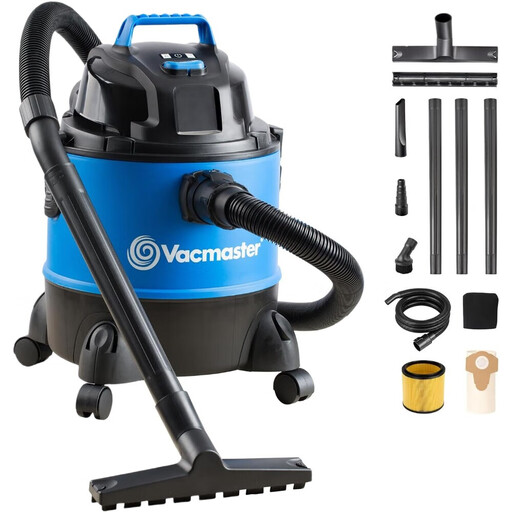
Why it's a good fit: For users who need to clean up more than just dust. Ideal for cleaning the garage, car, or workshop, as well as for vacuuming up liquid spills in the home. A robust machine for more demanding tasks.
This device avoids the flimsy construction pitfall by using an impact-resistant polymer tank. Its function is clearly defined (wet, dry, blow) and it doesn't try to be an ultra-lightweight vacuum, but rather a robust, multi-purpose solution.
The 3-in-1 functionality (wet and dry vacuuming plus blower function) combined with a large 20-litre tank offers versatility that goes far beyond that of a conventional stick vacuum.
We have compiled a complete, up-to-date list of products that fully meet these strict selection criteria and comply with German safety regulations.
Wattage primarily indicates the motor's energy consumption, not its direct suction power. An efficiently engineered vacuum with 500-600 watts can achieve better cleaning performance on hard floors than a poorly designed 800-watt model. Therefore, focus on the complete package of motor power, nozzle design, and filtration system.
For the occasional removal of pet hair from hard floors or low-pile carpets, a budget-friendly stick vacuum can be sufficient. However, for households with a lot of pet hair or deep-pile carpets, a model with a specially designed, rotating brush roll (turbo brush) is often more effective, as it mechanically combs the hair out of the fibres.
This largely depends on the frequency of use and the type of dirt. As a rule of thumb, empty the dustbin after every one or two uses. You should clean the washable filter under running water about once a month, depending on the manufacturer's instructions. It is crucial to let the filter dry completely (for at least 24 hours) before reinserting it to prevent motor damage and mould growth.