
Lieferung heute & morgen

Qualitätsgarantie

Willkommens-Angebote freischalten: KOSTENLOSE Lieferung | Bis zu 80 % RABATT | Kostenlose 30-Tage-JoyPlus-Testphase
App herunterladen
As a Joybuy Product Recommendation Officer, I see daily how well-intentioned pet purchases end in frustration. A cordless water fountain for cats promises greater safety and flexibility—yet the market is flooded with models that have hidden flaws. Before you invest, you should know the three most common traps that can strain not only your wallet but also your cat's well-being.
Trap 1: The "Cordless" Illusion. Many fountains advertised as cordless merely have a battery-powered base, while the pump inside the water tank remains connected to the electronics with a cable. This poses a potential safety risk and makes cleaning significantly more difficult.
Trap 2: Unrealistic Battery Life. Manufacturers often advertise weeks or even months of battery life. However, these figures are typically achieved only in the most energy-efficient mode, which may be unsuitable for cats that are reluctant to drink. In continuous operation, the actual battery life is often drastically shorter.
Trap 3: Complicated Cleaning as a Hygiene Trap. Hard-to-reach corners, permanently installed pumps, or unsuitable materials can quickly become a breeding ground for bacteria. A fountain that cannot be completely disassembled and cleaned endangers your pet's health.
To make an informed decision, don't be swayed by marketing promises. Instead, focus on verifiable technical features. These four criteria are crucial for safety, convenience, and durability.
A truly safe battery-powered cat fountain completely separates water from electricity. Look for models where the pump itself is wireless, receiving its power via induction from the base station. This principle, familiar from wireless smartphone chargers, eliminates all current-carrying contacts in the water reservoir. A clear separation of the water tank and the base unit is not only a safety feature but also simplifies refilling and cleaning, as the technical components remain dry.
Battery capacity, measured in milliampere-hours (mAh), is a good indicator of potential runtime. However, the available operating modes are more critical. A cat water dispenser with a motion sensor is an efficient solution: it activates the water flow only when the cat approaches, thus conserving the battery. Other smart modes offer interval-based operation. Check which modes are offered and how they fit your cat's drinking habits and your daily routine.
A good fountain with a filter is essential for clean water. Most models use a multi-stage system:
Before purchasing, research the availability and cost of replacement filters for the cat fountain. The regular replacement intervals (usually every 2 to 4 weeks) represent an ongoing cost factor.
A loud fountain can scare off skittish cats. Pay attention to the specified operating noise level in decibels (dB). A quiet cat water fountain should not exceed 30 dB, which is roughly the volume of a whisper. Models under 20 dB are nearly inaudible and are ideal for quiet living areas or for noise-sensitive pets.
Based on the objective criteria mentioned above, we have curated a selection of products suitable for various needs and households.
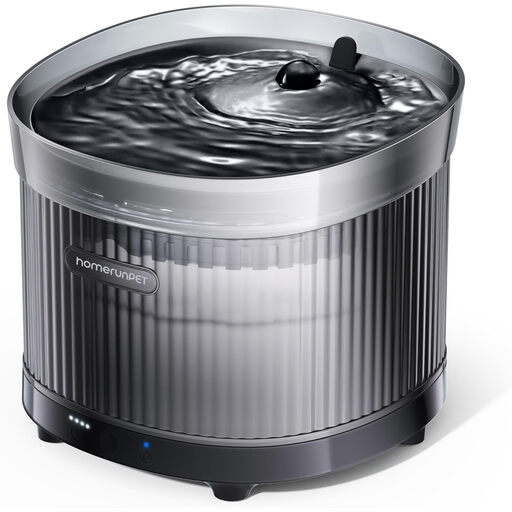
Why This Fits Their Persona: Ideal for cat owners who place the highest priority on safety and want to eliminate any risk from electrical cords in the water. The ability to place it anywhere without being tethered by a cable is an added bonus.
This model bypasses the "cordless" illusion with a pump that receives its power wirelessly via induction from the base. There are no electrical contacts in the water container.
Complete separation of water and electricity; operating noise under 20 dB; motion sensor for efficient battery use.
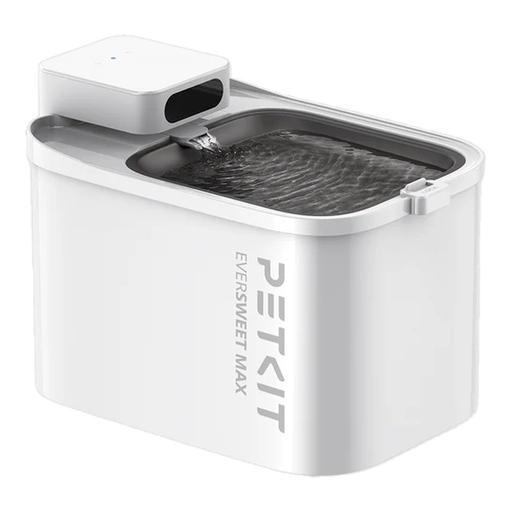
Why This Fits Their Persona: Perfect for owners who value data and control. The app connectivity allows for monitoring drinking habits and device status from anywhere—ideal for professionals who want to keep an eye on their pet's well-being.
This smart cat fountain counters the trap of unrealistic battery life with transparency. The app displays the status, and smart modes (e.g., sensor activation) maximize runtime in a verifiable way.
App control for monitoring drinking data and device status; large 3-liter capacity; very quiet operation at 26 dB.
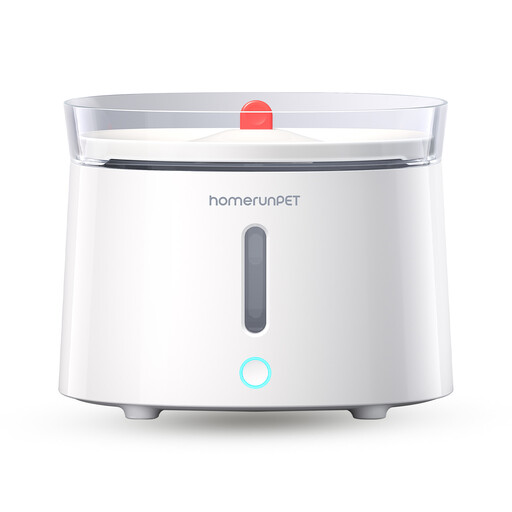
Why This Fits Their Persona: Designed for owners who demand the highest standards of cleanliness. The porcelain bowl is not only more hygienic than plastic and helps prevent feline acne, but it is also extremely easy to clean.
This model thoughtfully solves the hygiene trap: the porcelain drinking bowl is non-porous, dishwasher-safe, and prevents bacteria from adhering. The pump can also be disassembled for thorough cleaning.
Hygienic porcelain drinking bowl to help prevent feline acne; self-cleaning pump with UVC sterilization; also features a wireless pump design.
We have compiled a complete, up-to-date list of products that fully meet these strict selection criteria and rigorous safety standards.
Most manufacturers recommend replacing the filter every 2 to 4 weeks. In households with multiple pets or in areas with hard water, a more frequent change may be advisable to maintain water quality and pump function. Always follow the specific manufacturer's instructions, such as those for the ENABOT ROLA Fountain Filters, which are designed for a specific fountain.
Not always. It's important to distinguish between two types:
First, place the fountain next to the usual water bowl while it is turned off. Once your cat has accepted the new object, you can turn the fountain on. Initially, select the quietest operating mode. Only remove the old water bowl when you are sure your cat is drinking regularly from the new fountain. Patience is the key to success here.