
Lieferung heute & morgen

Qualitätsgarantie

Willkommens-Angebote freischalten: KOSTENLOSE Lieferung | Bis zu 80 % RABATT | Kostenlose 30-Tage-JoyPlus-Testphase
App herunterladen
A reliable cordless drill is the heart of any DIY toolkit. But the market is overwhelming: hundreds of models, confusing technical specs, and tempting offers make the choice difficult. As your Joybuy Product Recommendation Officer, I'll help you identify the crucial features and avoid common buying traps, so you can find the right tool for your projects.
Many well-intentioned purchases end in frustration. This is often due to widespread misconceptions fueled by clever marketing. Pay special attention to these two points:
To make an informed decision, you should understand three core technical aspects. These determine whether a cordless drill driver is suitable for your applications.
These two values define a tool's performance for different tasks.
A good tool for DIYers features a 2-speed gearbox, allowing you to switch between high torque (1st gear, for screws) and high speed (2nd gear, for drilling).
The motor technology directly impacts performance, lifespan, and battery runtime.
The battery is the power source and often a significant cost factor.
Instead of making a one-size-fits-all recommendation, we have selected products for typical requirement profiles.
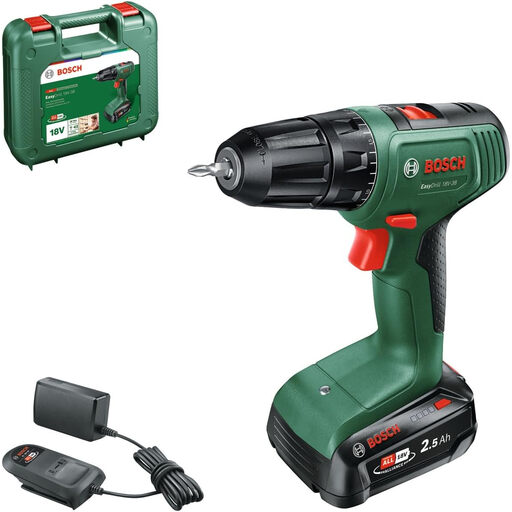
Why This Fits Their Persona: Ideal for anyone looking for a straightforward and reliable tool for typical household tasks, like assembling furniture or hanging shelves. The kit is ready to use right out of the box.
This cordless drill kit includes everything you need, avoiding the trap of hidden extra costs. With 38 Nm of torque, it offers balanced performance for home use, rather than just focusing on a high voltage number.
Part of the 18V POWER FOR ALL ALLIANCE: The battery is compatible with many other tools from Bosch and other brands. The 2-speed gearbox and 20 torque settings allow for precise work.
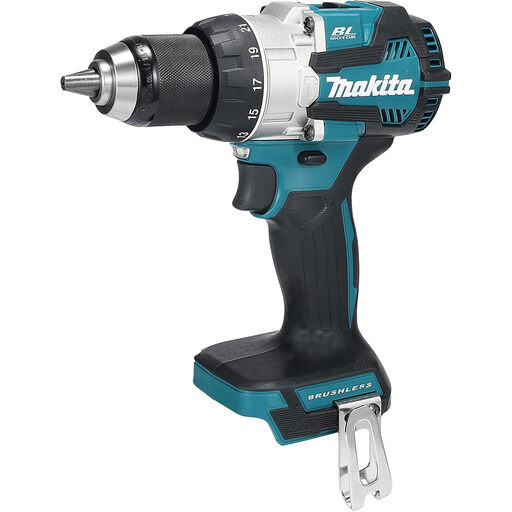
Why This Fits Their Persona: Perfect for demanding projects that require high power and endurance, such as building a deck, renovations, or working with hard materials. The hammer function also allows for drilling into masonry.
This tool focuses on professional-grade performance. The brushless motor and high torque of 73 Nm deliver real power. As a bare tool, it's intended for users who have already invested in the Makita 18V system.
The hammer drill driver is extremely versatile. Its XPT (eXtreme Protection Technology) protects the tool from dust and water spray, ensuring a long service life even under harsh conditions.
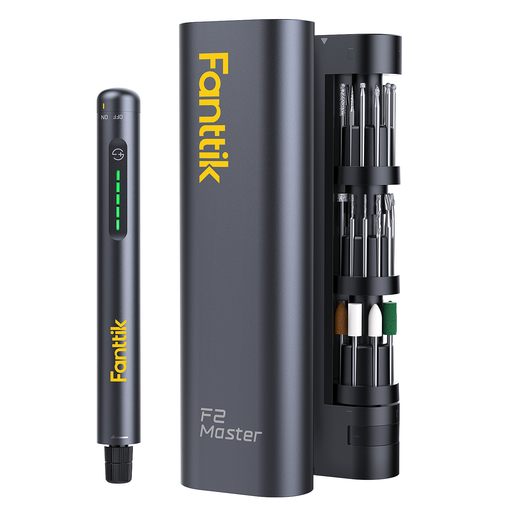
Why This Fits Their Persona: For model makers, hobbyists, and creators who need a tool for engraving, polishing, grinding, or fine drilling tasks. This is about precision and handling, not raw power.
This tool demonstrates that the "right" cordless tool isn't always a classic drill driver. It avoids the trap of buying an oversized tool for delicate tasks where speed, not torque, is what matters.
Extremely lightweight and portable with a brushless motor for quiet operation. The 5 speed settings up to 25,000 RPM and the organized accessory hub enable high-precision work in a wide variety of materials.
We have compiled a complete, up-to-date list of products that fully meet these strict selection criteria and German safety regulations.
1. How many volts does a good cordless drill need for a DIYer? For most jobs around the house and garden, an 18V system is an excellent all-rounder. It offers a good compromise between power and manageability. For lighter tasks like assembling furniture, a compact 12V tool may also be sufficient. However, more important than voltage alone are the torque (at least 30 Nm for versatile applications) and a 2-speed gearbox.
2. What does "brushless" mean on a cordless drill? "Brushless" describes a modern motor type without wear-prone carbon brushes. A brushless motor is more efficient, which leads to longer battery life. It also develops more power in a smaller package and has a significantly longer lifespan, as there is no mechanical wear inside the motor.
3. Can I use a battery from one brand with a tool from another brand? Usually not. Most manufacturers like Makita, DeWalt, or Einhell have their own proprietary battery systems that are not compatible with each other. An exception is cross-brand alliances. The best-known example is the "POWER FOR ALL ALLIANCE" initiated by Bosch, where batteries from Bosch also fit tools from Gardena, Wagner, and other brands. Always check if your existing batteries are compatible before buying a bare tool.