
Lieferung heute & morgen

Qualitätsgarantie

Willkommens-Angebote freischalten: KOSTENLOSE Lieferung | Bis zu 80 % RABATT | Kostenlose 30-Tage-JoyPlus-Testphase
App herunterladen
A reliable cordless drill is the cornerstone of any DIY toolkit. But the market is flooded with tempting offers and technical specs that often confuse more than they clarify. The wrong choice often leads to frustration: a tool that's too weak for your project, a battery that's always dead, or unexpected follow-up costs. As your Joybuy Product Recommendation Officer, I'll help you spot the common pitfalls and make an informed decision.
Before we dive into the key features, let's expose the marketing traps that often lead to a bad buy.
To find the right cordless drill for your needs, focus on these three core aspects.
Not every tool that drives screws is the same. Choosing the right type is fundamental.
These two values determine your tool's power and endurance.
Torque indicates the rotational force used to drive a screw. More important than a maximum value is a finely adjustable torque selection. It prevents screws from being driven too deep or screw heads from being damaged—especially important with soft materials.
To make your decision easier, we've put together products for typical user profiles.
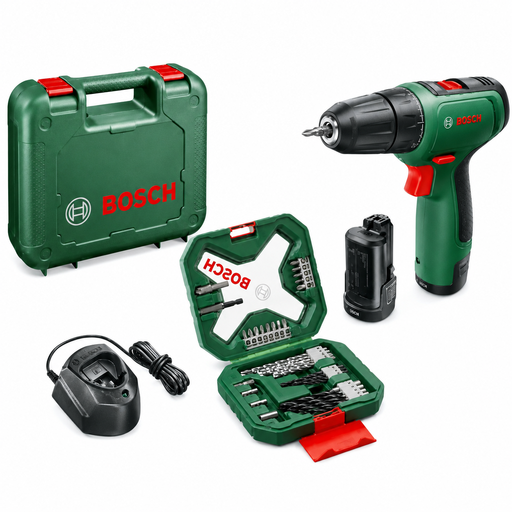
Why this tool is a good fit: Perfect for anyone looking for a lightweight, straightforward tool for assembling furniture, hanging pictures, or small repairs. Its low weight and compact design make working in tight spaces effortless.
This cordless drill set includes a battery, charger, and accessories. It avoids the "incomplete offer" trap and is ready to use out of the box. The 12V power is optimally sized for its intended purpose.
Complete package with variable torque settings for precise work. Very lightweight and compact.
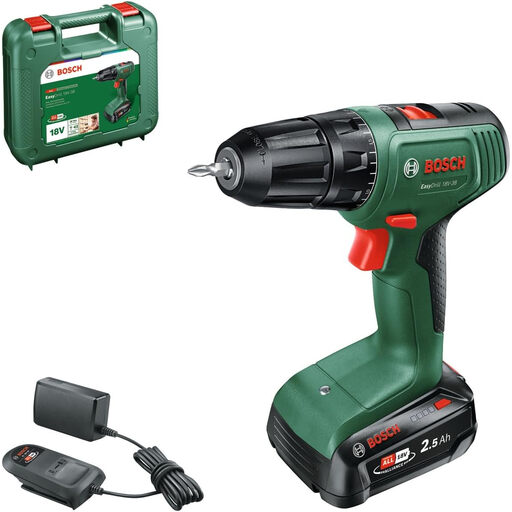
Why this tool is a good fit: A versatile cordless drill driver for more demanding projects. With 38 Nm of torque and a 2-speed gearbox, it's powerful enough for drilling in metal and wood, yet its 20 torque settings provide fine control for screwdriving.
The 18V power isn't just marketing here; it delivers tangible power reserves. As part of the POWER FOR ALL ALLIANCE, the battery is compatible with many other tools, reducing follow-up costs when purchasing more equipment.
Powerful 18V system with cross-brand battery compatibility. 2-speed gearbox for optimal power transmission.
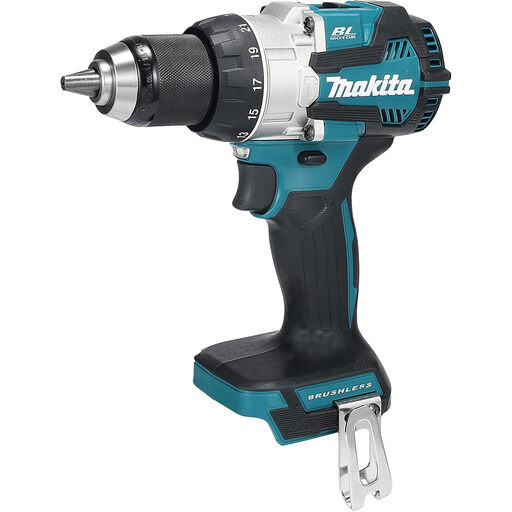
Why this tool is a good fit: This Makita cordless drill is a robust hammer drill driver for users who regularly drill into masonry and value durability. Ideal for renovations or demanding use in the workshop.
The tool features a brushless motor, avoiding the trap of a high-wear motor. The bare-tool version is transparently marketed for users who are already in the Makita 18V LXT system and don't need more batteries.
Brushless motor and XPT technology (protection against dust and water spray) for high resilience and a long service life.
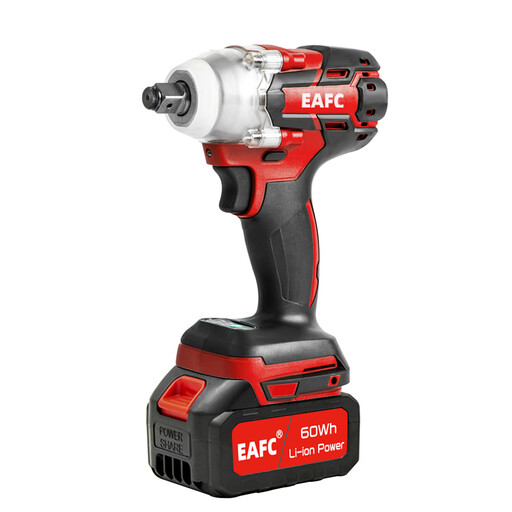
Why this tool is a good fit: This is a pure cordless impact wrench designed for one job: loosening and tightening lug nuts. With 200 Nm of torque, it makes seasonal tire changes significantly easier and faster.
The product is clearly positioned as a special-purpose tool, not a universal drill driver. This prevents you from buying the wrong type of tool for everyday drilling and screwdriving tasks.
Very high torque (200 Nm) for powerful applications. Brushless motor for a long service life.
We have compiled a complete, up-to-date list of products that fully meet these strict selection criteria and safety regulations.
A brushless motor does away with the traditional carbon brushes used in conventional electric motors to transfer power. Instead, power transfer is controlled electronically. The practical advantages are significant:
A battery's lifespan depends on several factors: its capacity (Ah), the load during use, storage conditions, and the number of charge cycles. Modern lithium-ion batteries typically withstand several hundred charge cycles. With normal DIY use, a brand-name battery can easily last 3 to 5 years or more. To maximise their lifespan, it's best to store batteries at room temperature with a partial charge (around 40-60%).
No, a standard cordless drill driver is not designed for drilling into concrete. It lacks the necessary impact mechanism. For occasional holes in brick or sand-lime brick, a hammer drill driver may suffice. However, for drilling into hard concrete, a rotary hammer with a pneumatic hammer mechanism is the only suitable tool. Attempting to drill into concrete with the wrong tool will only lead to overheated drill bits and no progress.