
Lieferung heute & morgen

Qualitätsgarantie

Willkommens-Angebote freischalten: KOSTENLOSE Lieferung | Bis zu 80 % RABATT | Kostenlose 30-Tage-JoyPlus-Testphase
App herunterladen
A cordless drill driver is an essential part of almost any household toolkit. Yet, buying one can quickly become complicated. High voltage ratings, confusing accessory kits, and baffling model names often lead to decisions you'll later regret. Many tools are either overkill for simple jobs or underpowered for the project you planned. This guide will help you see through the marketing hype and make an informed decision that’s perfectly tailored to your needs.
Before we dive into the technical details, it's crucial to understand the most common pitfalls. Avoiding them will not only save you money but also frustration on future projects.
The Power Trap: More Volts Isn't Always Better. Marketing often highlights high voltage ratings (e.g., 18V or 20V) as the primary indicator of quality. However, for simply assembling furniture or hanging a picture, such a powerful and often heavy tool is impractical. The result is a cumbersome, oversized cordless drill that is too clunky for everyday tasks.
The Ecosystem Trap: Hidden Costs from Incompatible Batteries. A cheap tool can quickly become expensive if it locks you into a limited or overpriced battery system. Many manufacturers use proprietary batteries that are not compatible with other brands. This becomes particularly problematic when a tool is sold without a battery and charger—a detail often overlooked in the fine print that leads to unexpected follow-up costs.
The Accessory Trap: Quantity Over Quality. An extensive cordless drill set with a case and accessories looks like an excellent deal at first glance. However, the quality of the included bits and drill heads is often subpar. They wear out quickly, fit imprecisely, or break on the first demanding task. In the end, you pay for a large quantity of accessories, only a fraction of which is actually usable.
To find the right cordless drill, you should focus on a few key technical specifications. These determine what a tool is truly suited for.
These two values are fundamental to a tool's performance. It's important to understand their difference:
The name reveals the primary use case. Choose the type that matches your most frequent projects.
Instead of making a one-size-fits-all recommendation, we have identified products that specifically meet the needs of different user profiles.
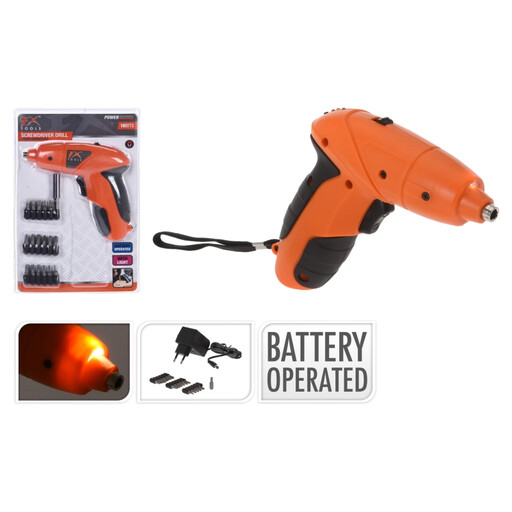
Why This Fits Their Persona: Perfect for those who need a no-fuss tool for assembling furniture, tightening screws, and small household repairs. Its compact design and low weight make it extremely easy to handle.
This tool avoids the power trap by being specifically designed for light-duty screw driving. Additionally, the battery and a basic bit set are included, sidestepping the trap of hidden costs.
An all-in-one package ready for immediate use. The integrated LED light and battery level indicator are practical features for beginners.
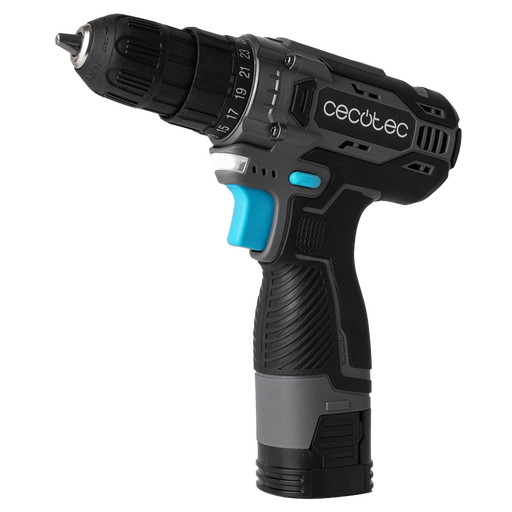
Why This Fits Their Persona: For users who regularly tackle renovation and construction projects. This set offers a great balance of power (38 Nm), endurance, and versatility for drilling in wood and metal, as well as for demanding screw-driving tasks.
This set bypasses the accessory trap by providing a solid starter kit with a case and accessories for various materials. The two included 2.0 Ah batteries prevent downtime and the need for an immediate repurchase.
Two batteries for uninterrupted work and 25+1 torque settings for precise control across different materials and screw sizes.
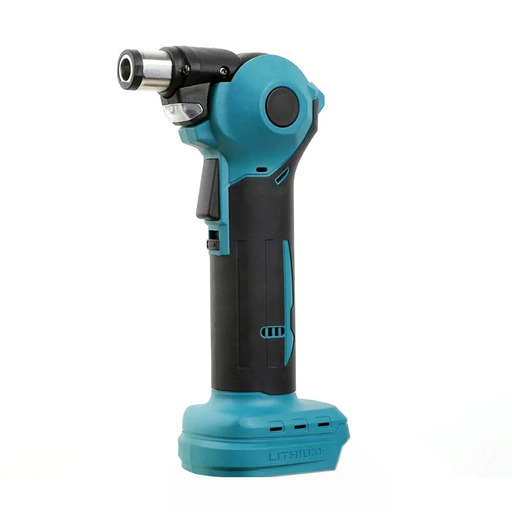
Why This Fits Their Persona: Ideal for tradespeople and advanced users who have already invested in the Makita 18V battery system and want to cost-effectively expand their tool collection with a powerful cordless hammer drill.
This tool is the smart answer to the ecosystem trap. As a "bare tool" (without battery/charger), it's an economical addition for anyone who already owns a drill compatible with Makita batteries or other tools on that platform.
Full compatibility with the widely adopted Makita 18V Lithium-Ion system. Offers a strong hammer drill function for demanding tasks in masonry.
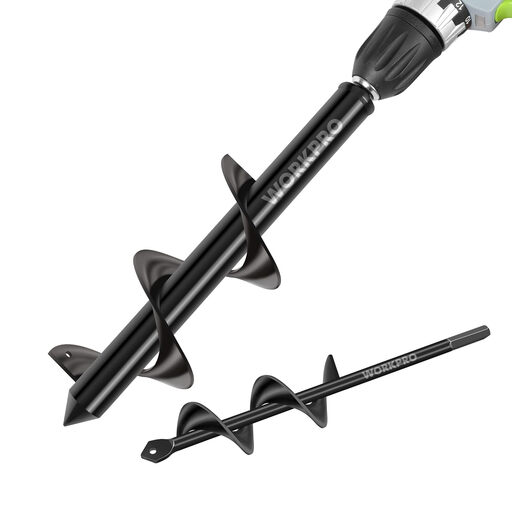
Why This Fits Their Persona: This isn't a drill, but an accessory that transforms a powerful cordless drill driver (18V or higher recommended) into an efficient digging tool. Ideal for planting flowers, bulbs, or setting fence posts.
This accessory avoids the purchase of an expensive, specialized, single-purpose tool. It expands the functionality of an existing, powerful cordless drill in a smart and cost-effective way.
Two auger sizes (8x30 cm & 4x22 cm) for different hole depths and diameters. The manganese and A3 steel construction ensures durability in soil.
We have compiled a complete, up-to-date list of products that fully meet these strict selection criteria and all applicable safety regulations.
For simple furniture assembly and light screw-driving, tools with 3.6V to 12V and a torque of 5-15 Nm are generally sufficient and very handy. For general DIY projects, including drilling in wood and metal, the 12V to 18V class with 30-50 Nm is an excellent compromise. For repetitive driving of large screws or demanding drilling tasks, you should consider models with 18V or more and over 50 Nm.
A standard cordless drill driver is designed for driving screws and rotary drilling in relatively soft materials (wood, metal, plastic). A cordless hammer drill has a selectable mechanical hammer function. This creates rapid, axial impacts that make it easier to penetrate harder, masonry substrates like brick or limestone. However, it's usually not powerful enough for solid concrete—a cordless rotary hammer is required for that.
In most cases, this is not possible, as manufacturers use their own proprietary battery platforms. However, there are cross-brand alliances (e.g., the Cordless Alliance System - CAS). Additionally, some third-party manufacturers offer tools specifically designed to be compatible with the batteries of established brands, such as a drill compatible with Makita batteries. Always check the product description carefully for compatibility before purchasing.