
Lieferung heute & morgen

Qualitätsgarantie

Willkommens-Angebote freischalten: KOSTENLOSE Lieferung | Bis zu 80 % RABATT | Kostenlose 30-Tage-JoyPlus-Testphase
App herunterladen
A cordless drill driver is an essential tool for many homes, workshops and building sites. It drills holes, assembles furniture and makes installation jobs easier without the hassle of a mains cable. There’s a wide choice, from a compact cordless drill driver for occasional repairs to a powerful cordless impact drill for masonry.
However, the specifications can vary considerably. A high speed alone tells you little about whether a tool is right for a particular job. What matters is the right torque, the battery system, the features and whether a charger is included.
Many branded tools are sold as body-only, also known as a bare tool. This can make sense if you already have compatible batteries. If you’re starting from scratch, you’ll need to buy a battery and charger separately. As a result, a seemingly affordable 18V cordless drill driver can end up costing considerably more.
Before buying, check:
The stated maximum torque describes the force the tool can deliver under certain conditions. It doesn’t mean that every screw will go easily into every material. For assembling furniture and smaller woodworking jobs, adjustable torque settings are often more useful than the highest possible peak torque.
A drill driver with torque settings lets you match the power more closely to the screw and material. This reduces the risk of damaging screw heads or delicate surfaces.
A cordless impact drill can help when drilling into masonry by delivering short impact pulses. However, this function doesn’t automatically match the performance of a rotary hammer when working with concrete, drilling frequently or tackling very hard building materials. Check the drilling diameters and materials specified by the manufacturer rather than relying on the term ‘impact drilling’ alone.
12-volt tools are generally compact and suitable for light assembly work. An 18-volt system often offers more power for larger screws and drilling diameters. 20- or 24-volt ratings aren’t always directly comparable with 18 volts, as manufacturers use different measurement methods and system names.
Capacity in Ah (amp-hours) is a simplified measure of the amount of energy stored. A 2.0-Ah battery is lighter than a 4.0-Ah battery, but may need recharging sooner under comparable loads. A smaller battery is often enough for occasional jobs; for longer sessions, a second battery can help reduce interruptions.
A two-speed gearbox typically gives you:
Check the stated maximum torque and the number of torque settings. No-load speed is usually given in revolutions per minute. It describes the speed without a load, so it isn’t the same as actual working performance.
A keyless chuck makes it easy to change drill bits and screwdriver bits without tools. 10 mm chucks are common on many DIY tools, while 13 mm chucks can accommodate larger accessory shanks. What matters is that your drill bits and screwdriver bits are suitable for wood, metal, plastic or masonry.
Use the manufacturer’s maximum ratings as a guide and avoid working continuously at the tool’s limits. When drilling masonry, you should also take the impact function, drill bit type and surface into account.
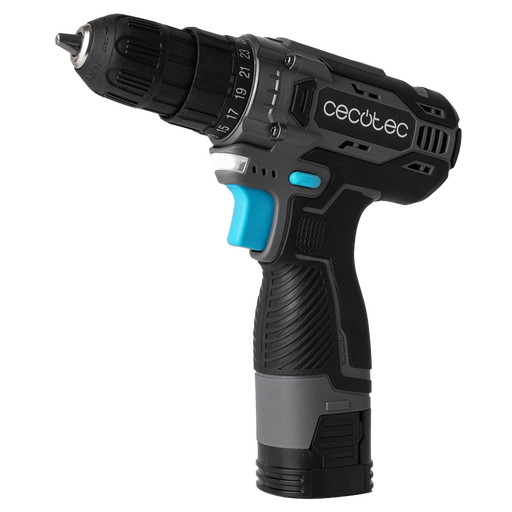
Why this product suits this user: This kit is aimed at DIYers looking for a cordless screwdriver with accessories for assembling furniture, drilling smaller holes and carrying out repairs.
According to the product description, the kit includes two 2.0-Ah batteries, a charger, a case and accessories. This means you won’t need to buy into a battery system separately.
38 Nm of torque, 25+1 settings, two speeds and a 10 mm keyless chuck.
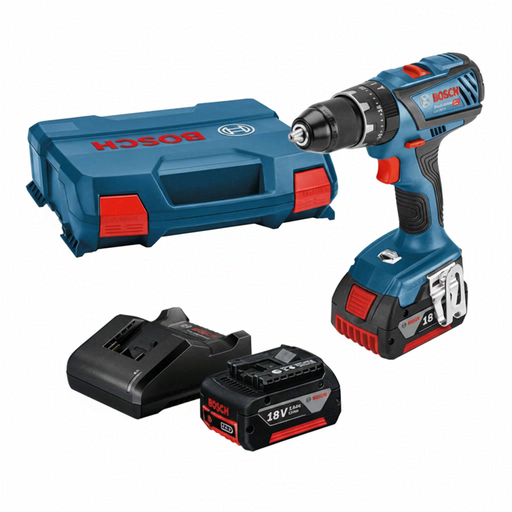
Why this product suits this user: This kit is designed for renovation work and more demanding applications where battery capacity, impact drilling and accessories matter.
According to the product specifications, this version includes two 3.0-Ah batteries, a charger and an L-Case. The stated material limits also make it clearer what the tool can handle.
63 Nm Hard Torque, a 13 mm metal chuck, 20+2 settings and impact drilling at up to 28,500 impacts per minute.
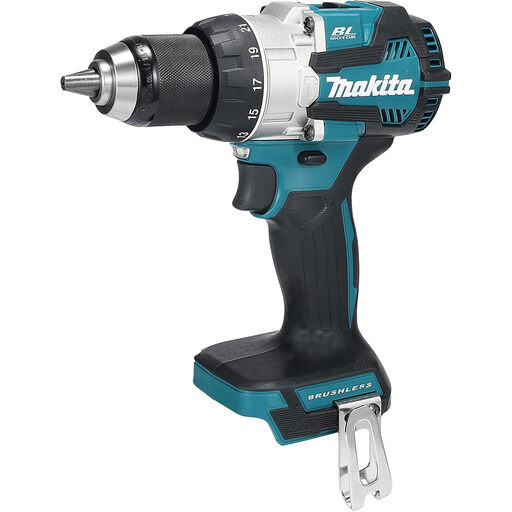
Why this product suits this user: This bare tool is a good choice if you already own Makita 18V LXT batteries and want to add a tool for working with wood, metal and masonry.
The product page clearly states that the battery and charger aren’t included, so you know what to expect before buying.
73 Nm maximum torque, a 13 mm chuck, brushless motor, LED light and XPT protection against dust and water.
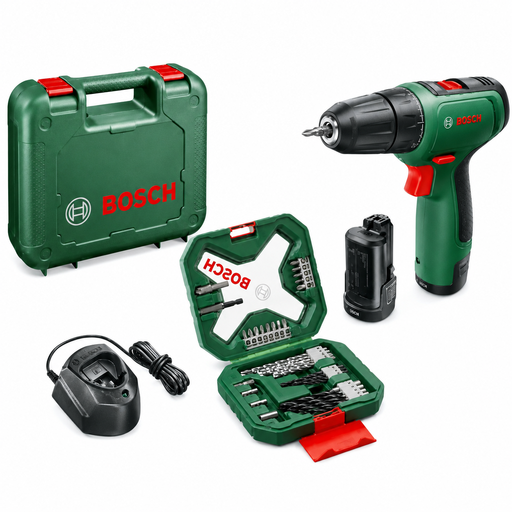
Why this product suits this user: This 12-volt model is designed for light tasks, furniture assembly and work in tight spaces.
Its compact design and clearly specified 1.5-Ah battery make it easier to judge whether it’s suitable for lighter tasks.
12-volt lithium-ion battery, keyless chuck, variable torque settings and a 34-piece bit and drill set.
We’ve put together a complete, regularly updated list of products that meet these strict selection criteria and fully comply with the safety regulations in force in the EU.
Remove the battery before changing drill bits, screwdriver bits or accessories. Safety glasses are recommended when drilling; impact drilling may also call for hearing protection and suitable respiratory protection. Use only compatible batteries and chargers, and store lithium-ion batteries in a dry place away from excessive heat.
Ongoing costs depend mainly on battery lifespan, the price of replacement batteries and the system you already own. A tool with a removable battery may be more practical in the long run than one with a built-in battery. Also check whether your existing batteries can be used with other tools on the same platform.
For furniture assembly, a compact 12- or 16-volt tool, a keyless chuck and several torque settings are often enough. Controlled power and a light weight matter more than high maximum output alone.
Runtime depends on battery capacity, the material, drilling diameter and workload. A 2.0-Ah battery may be enough for short assembly jobs. For longer renovation projects, a second battery or a model with a higher capacity is a practical choice.
A cordless impact drill is useful if you occasionally need to drill holes in masonry. For regular drilling into concrete or very hard surfaces, a rotary hammer designed for the job is usually more suitable. Always check the stated material and drilling diameter limits before buying.