
Lieferung heute & morgen

Qualitätsgarantie

Willkommens-Angebote freischalten: KOSTENLOSE Lieferung | Bis zu 80 % RABATT | Kostenlose 30-Tage-JoyPlus-Testphase
App herunterladen
A cordless drill driver is an essential tool for many DIY enthusiasts, home improvers and renovators. However, seemingly cheap deals often lead to extra costs: the battery is missing, the charger is incompatible, or the tool isn't suited to the material you plan to work with. High torque figures alone also tell you little about whether a model is suitable for furniture assembly, woodworking, drilling metal or masonry.
This guide explains which technical specifications matter when buying, and which models suit different requirements.
The description "18V cordless drill driver" only tells you the operating voltage. Many tools are sold as so-called bare units. The battery and charger then need to be bought separately. This can make sense if you already own a compatible battery system. For beginners, a cordless drill driver with battery and charger is usually easier to budget for.
Check the exact contents:
A Makita cordless drill driver with an 18V LXT battery, for example, is not automatically compatible with batteries from other manufacturers. The same applies to Bosch and Greenworks systems.
Torque is measured in Newton metres (Nm) and describes the force when screwdriving. A higher value can be helpful for large screws or heavy assembly work. For small screws, however, a finely graduated torque setting is more important, so that screw heads and workpieces are not damaged.
The maximum no-load speed in revolutions per minute (rpm) is relevant for fast drilling work. A tool with a high speed is not automatically suitable for all materials. What also matters are gear stages, chuck type, drill bit quality and the drilling diameters specified by the manufacturer.
A classic cordless screwdriver or cordless drill driver is mainly suitable for screwdriving and for drilling in wood, plastic and sometimes metal. For masonry, a cordless hammer drill driver with a switchable hammer action can be more practical. However, for concrete and intensive chiselling work, a simple hammer action is not always sufficient; here you need to look at a suitable rotary hammer and the correct tool holding system.
The voltage of 12V, 16V, 18V or 24V does not directly describe the runtime. For that, the capacity in Ah is the key factor. A 2.0 Ah battery is lighter and more convenient for occasional work, while a higher-capacity battery can enable longer working intervals.
Also important are:
A keyless chuck allows you to change bits and drill bits without tools. The chuck size, for example 10 or 13 mm, shows which shank diameters it can accept. For furniture making and general repairs, 18 to 20 torque settings are often sufficient. An additional drilling setting overrides the torque limiter for drilling work.
For overhead work or longer assembly tasks, the weight directly affects handling. An integrated LED work light can be helpful inside cabinets, alcoves and poorly lit areas. A rubberised grip improves hold, but does not replace safety goggles, ear protection or secure workpiece fixing.
For products with CE marking, buyers should also check the German-language instruction manual, warning notices and details of the responsible person in the EU. Batteries must not be opened, damaged or disposed of with household waste.
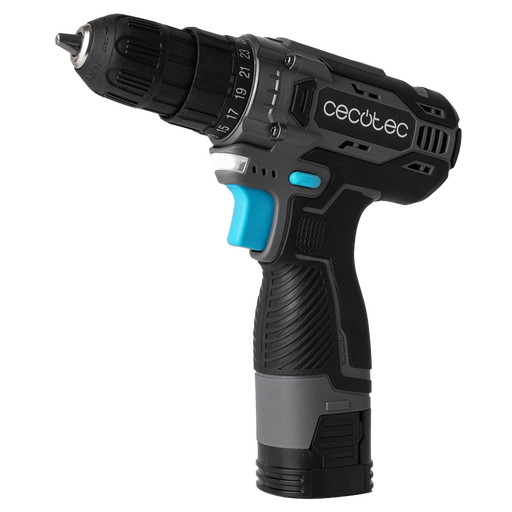
Why this product fits the profile: This set is aimed at users who want a ready-to-use package with two batteries, charger and accessories for repairs and DIY projects.
Battery and charger are included in the scope of delivery. It also features 25+1 torque settings and a keyless chuck.
38 Nm torque, two batteries each at 2.0 Ah, LED work light and accessory case.
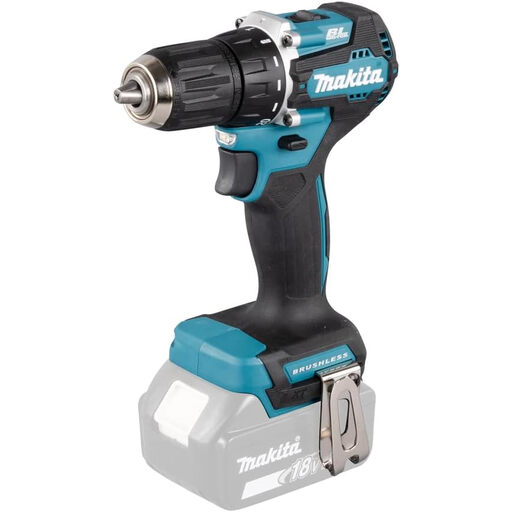
Why this product fits the profile: This compact model is designed for regular screwdriving and drilling work and can be integrated into the Makita 18V lithium-ion system.
The scope of delivery clearly states that battery and charger are not included. This prevents miscalculation when purchasing.
Brushless motor, up to 40 Nm torque, 1,700 rpm and electronic overload protection.
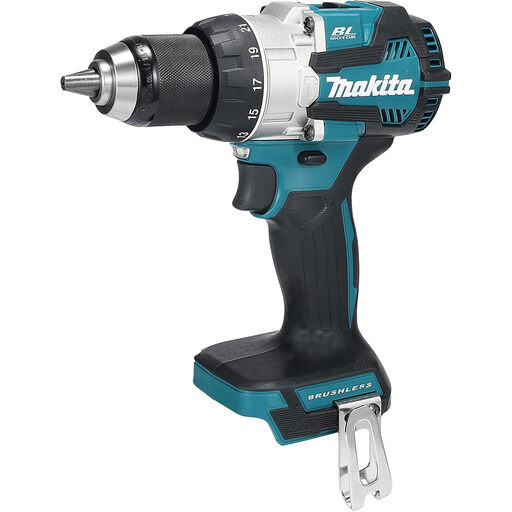
Why this product fits the profile: The switchable hammer action extends its use beyond a standard cordless screwdriver, for example when drilling into masonry.
The technical specifications clearly state 18 V, 13 mm chuck, two gear stages and that the battery is not included. The scope of delivery therefore remains transparent.
73 Nm maximum torque, up to 1,800 rpm, LED light and XPT protection against dust and water ingress.
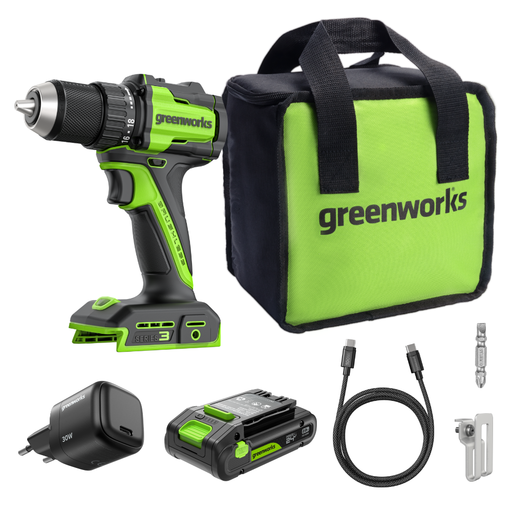
Why this product fits the profile: This set combines a brushless cordless drill driver with battery and charger, and is ideal for users looking to build their own 24V system.
The scope of delivery includes a 2.0 Ah battery and a 30 W USB-C charger. Compatibility is limited to the Greenworks 24V POWERALL system.
45 Nm torque, two speed ranges up to 2,000 rpm, 18+1 settings and stated drilling capacities of 30 mm in wood and 10 mm in steel.
We have compiled a complete, regularly updated list of products that fully meet these strict selection criteria and the safety regulations in force in the EU.
For drill drivers for wood and metal, you should consider speed control, chuck size and suitable drill bits together. Wood drill bits need different cutting edges than metal drill bits. For metal, a lower speed and, if necessary, cutting fluid are advisable. Always observe the maximum drilling diameters specified by the manufacturer.
For masonry, a cordless hammer drill driver with hammer action is more suitable. Check before buying whether the hammer action is actually mentioned in the technical specifications. A tool with a powerful motor but no hammer mechanism is not automatically suitable for drilling into walls.
The lifespan depends on usage, storage, load and care. Remove the battery before maintenance work, keep ventilation slots clear and store lithium-ion batteries in a dry place, protected from extreme temperatures. A spare battery can reduce interruptions from charging during longer jobs.
For furniture assembly, screwdriving and smaller drilling jobs, 12V is often sufficient. For larger wood drill bits, longer screws or regular renovation work, an 18V cordless drill driver usually offers more power in reserve. The manufacturer's specifications for torque and drilling diameter remain the decisive factors.
The ongoing costs mainly consist of electricity for charging, wear parts, bits, drill bits and, if necessary, spare batteries. A battery system that is compatible with several tools can reduce the need to buy additional batteries and chargers. Therefore, before buying, you should compare not only the tool price but also the prices of batteries and accessories.