
Lieferung heute & morgen

Qualitätsgarantie

Willkommens-Angebote freischalten: KOSTENLOSE Lieferung | Bis zu 80 % RABATT | Kostenlose 30-Tage-JoyPlus-Testphase
App herunterladen
A cordless electric breast pump can make expressing milk at home, at work or on the go easier. Models with a rechargeable battery, adjustable suction levels and hands-free use are particularly suited to an active lifestyle. However, eye-catching marketing claims don’t automatically mean a product is right for you. The key things to consider are the correct breast shield size, safe cleaning and controls that fit into your routine.
Many products come with just one 24 mm breast shield. This may suit some users, but it won’t fit everyone. If the shield doesn’t fit correctly, the pump may leak or feel uncomfortable. Before buying, check the breast shield size and available inserts.
A wearable breast pump consists of several parts that come into contact with milk. If they’re hard to reach or can’t be fully taken apart, they’ll take more effort to clean. Silicone valves, membranes and seals are wear parts, so check them regularly and replace them if they’re damaged.
The motor unit of the models featured here must not be placed in water. Clean the parts that come into contact with milk after every use, following the manufacturer’s instructions, and allow them to dry completely.
A battery-powered breast pump works without needing to be plugged in, but it needs to be charged in good time. Battery life and USB-C compatibility are useful things to consider for longer days at work or when travelling. A breast pump with app control can save settings or make the pump easier to use, but it can’t replace a well-fitting breast shield or careful assembly.
Claims such as “quiet” should also be viewed realistically: noise levels can depend on the suction setting, fit, clothing and surroundings.
Look for multiple sizes or inserts. Models with 17, 19, 21 and 24 mm options are useful because they allow you to find a more individual fit. The shield should sit snugly without pressing too hard. The right size may change during your breastfeeding journey.
The shape also matters when choosing a wearable breast pump. Pumps worn fully inside your bra need a supportive, well-fitting nursing bra. If the pump sits loosely, it may not seal properly, which can affect how well it works.
A hands-free breast pump should offer more than a single intensity setting. Different modes, such as stimulation, expressing and a combination mode, let you adjust the pump to suit different situations. Nine or 15 suction levels give you more choice than basic models with just a few settings.
The highest setting isn’t automatically the right one. If you experience pain, strong pressure or unusual discomfort, stop using the pump and, if necessary, contact a healthcare professional or breastfeeding adviser.
For a BPA-free breast pump, the material details should be clearly stated in the product description or on the packaging. The models featured here specify BPA-free or food-grade silicone for the parts that come into contact with milk.
Also check:
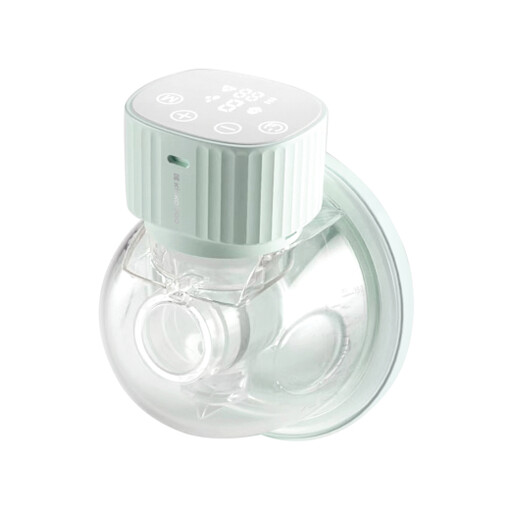
Why this product suits this profile: This compact model offers three modes, nine suction levels, a memory function and a timer. With its 1100-mAh battery and USB-C charging, it’s a good choice if you’re looking for a straightforward option for home or short trips.
The nine adjustable levels mean you’re not limited to one fixed intensity. The product description also specifies BPA-free materials and anti-backflow protection.
Three modes, nine suction levels, a weight of 270 g and USB-C charging, according to the product details.
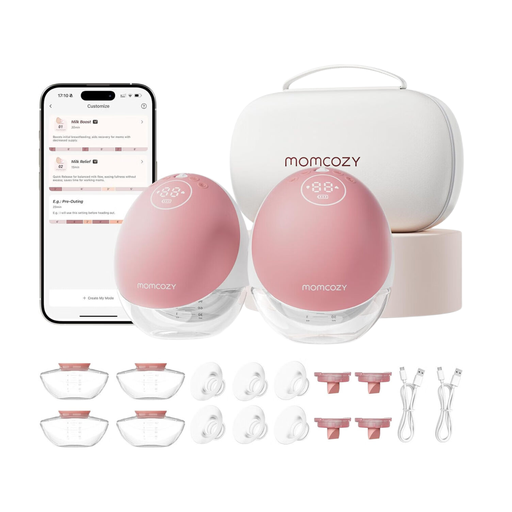
Why this product suits this profile: This double pack is worth considering if you want to express from both breasts at the same time and value app control, different inserts and a wide choice of suction levels.
The four specified sizes or inserts, ranging from 17 to 24 mm, help you find a better fit. The pump offers up to 15 suction levels rather than a limited selection.
Double pack, app control, USB-C charging, storage case and 150 ml milk collectors, according to the product description.
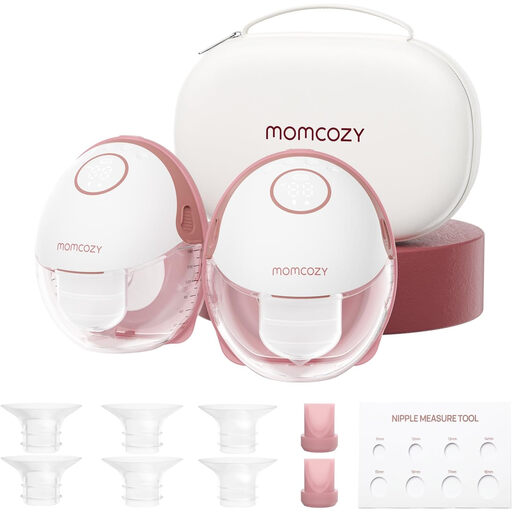
Why this product suits this profile: This set is designed for those who want to express regularly without being tethered to a cable. The product details state that the battery lasts for up to 180 minutes per charge.
The choice of 17, 19, 21 and 24 mm inserts addresses the common problem of finding the right size. Several modes and nine suction levels let you adjust the pump in smaller increments.
Two pump units, rechargeable batteries, milk collectors with a stand function and several modes, according to the product description.
For an electric breast pump for travelling, extra milk containers, a suitable nursing bra and a hygienic way to carry your pump are useful. Breast milk storage bags with space to write on can be labelled with the date and volume. Disposable breast pads are a separate accessory and don’t replace a breast shield or seal.
We’ve put together a complete, regularly updated list of products that meet these strict selection criteria and fully comply with the safety regulations in force in the EU.
Before using the pump for the first time, clean all the parts that come into contact with milk, following the instructions. Then connect the breast shield, valve, membrane and milk collector securely. The breast shield should fit snugly without pressing too hard. Make sure the battery is sufficiently charged before you start.
Its lifespan depends on how often you use it, how well you clean it and the condition of the silicone parts. Check valves, membranes and seals regularly for cracks, warping and signs that they’re no longer sealing properly. Clean the motor only as directed in the care instructions.
As well as the purchase price, you may need to pay for replacement valves, membranes and breast shield inserts. Battery-powered models don’t usually add ongoing electricity costs in the same way as a device that’s permanently connected to the mains, but the battery does need regular charging. The key thing is to check whether replacement parts are available and compatible with the model you choose.