
Lieferung heute & morgen

Qualitätsgarantie

Willkommens-Angebote freischalten: KOSTENLOSE Lieferung | Bis zu 80 % RABATT | Kostenlose 30-Tage-JoyPlus-Testphase
App herunterladen
A cordless electric cutter can make light work of cutting fabric, felt, cardboard or carpet. However, cordless models vary in blade shape, battery life, suitable materials and safety features. If you focus only on motor speed or a long list of features, you could easily end up with a tool that isn’t right for the job.
This buying guide from the Joybuy Product Recommendation Officer explains what to look for before you buy and how to avoid common marketing traps.
“Up to two hours” usually refers to the maximum operating time under certain conditions. Cutting thicker cardboard, leather or carpet can put more strain on the motor. So, for longer sewing or craft projects, it’s worth checking charging time, battery capacity and USB-C compatibility, as well as the quoted runtime.
An electric cutter may be suitable for paper and thin fabric, but struggle with thick leather, rigid plastic or layered carpet. Check whether the manufacturer specifically lists the material you want to cut. Information about the maximum material thickness can be particularly useful, although it isn’t available for every model.
A cordless rotary cutter with a round blade is best suited to long, continuous cutting motions. A pointed blade can be more practical for corners and edges. It’s also worth checking what’s included: some offers contain just one blade, while others include a spare blade or dust bag.
For regular cutting, look for a blade made from a clearly specified material, such as carbon steel, stainless steel or tungsten steel. A self-sharpening feature can reduce maintenance, but it doesn’t replace cleaning or careful handling.
Look for:
A USB-C cordless cutter can be charged from a mains adapter, computer, power bank or car charger, depending on the model. Even so, check whether a charging cable is included and what power source is recommended. The battery voltage alone tells you little about actual runtime.
Check the following details when choosing:
A model with a shorter runtime may be fine for occasional craft projects. If you’re a small business user or need to make longer cuts, it’s more important to plan charging and use around clear, reliable information.
An electric cutter for crafts and DIY should feel secure in your hand and shouldn’t be unnecessarily heavy. The quoted weight may refer to the tool without its packaging. A non-slip grip, safety lock and blade cover are useful features.
Also remember to:
If you’re using the tool in Germany, also check the product labelling, safety instructions and details of the responsible person in the EU. An electric cutting machine is not a substitute for personal protective equipment when carrying out demanding tasks.
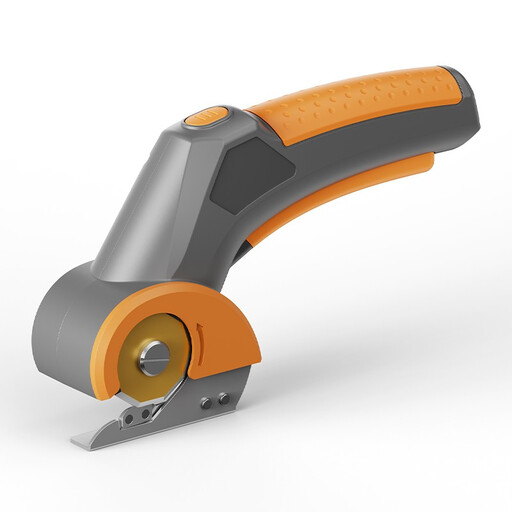
Why this product suits this user: This compact 4V model is designed for paper, cardboard, carpet, leather, felt and plastic, making it suitable for occasional projects at home or in a hobby room.
The product description specifically lists several suitable materials. Even so, check the thickness of the material you plan to cut before buying.
Cordless design, built-in 4V battery and compact handling, according to the product details.
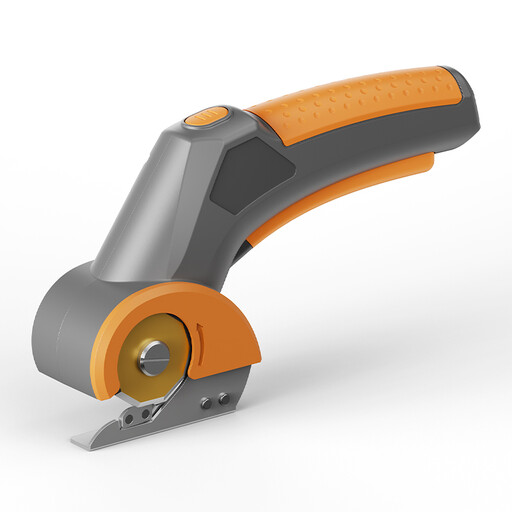
Why this product suits this user: A good choice if you’re looking for a versatile cutter for different materials and value a clearly specified package that includes a spare blade.
The package contents include a spare blade and a dust bag, so you’re less likely to overlook what’s included.
USB-C charging, a stated runtime of up to two hours and a safety lock, according to the product description.
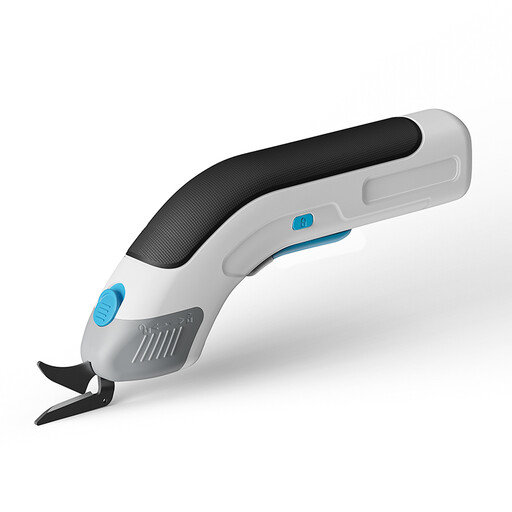
Why this product suits this user: The pointed blade is a useful option for dressmakers, model-makers and DIY enthusiasts who often work on edges, corners or narrow sections.
The blade shape is clearly specified. Its stated runtime is up to 45 minutes, though, so bear this in mind before starting longer jobs.
Weighs 0.2 kg, with USB-C charging and a built-in battery level indicator, according to the product details.
Runtime depends on the material, cutting pressure, blade condition and how you use the tool. The models mentioned here have stated runtimes ranging from up to 45 minutes to up to two hours. For a more realistic plan, also consider charging time and whether you can use a power bank.
That depends on the blade, material thickness and motor design. If leather, cardboard or plastic is specifically listed in the product description, that’s a useful indication. Don’t cut very thick, hard or layered materials unless the manufacturer says the tool is suitable for them.
Compared with corded tools, power consumption is usually modest, although it depends on the battery, how often you charge it and the charger you use. Replacement blades and battery life are often more significant ongoing costs. Check whether spare blades are sold separately and how to change the blade.
We’ve put together a complete, regularly updated list of products that meet these strict selection criteria and fully comply with the safety regulations in force in the EU.