
Lieferung heute & morgen

Qualitätsgarantie

Willkommens-Angebote freischalten: KOSTENLOSE Lieferung | Bis zu 80 % RABATT | Kostenlose 30-Tage-JoyPlus-Testphase
App herunterladen
A cordless electric fabric cutter can take much of the effort out of cutting fabric, felt, cardboard or thin leather compared with a conventional pair of scissors. However, not every compact device delivers a clean cut. The motor, blade, battery set-up and the materials the cutter is actually designed to handle all matter.
A figure such as 11,000 revolutions per minute sounds impressive, but on its own it says little about whether a cutter can handle thick materials. Blade shape, pressure and material thickness all affect the result. An electric rotary fabric cutter may be suitable for soft, flat materials, while thick carpet or rigid plastic may call for a different type of cutter.
With a cordless cutter, you should distinguish between charging time, actual cutting time and standby time. Manufacturer claims such as ‘up to two hours’ generally refer to specific operating conditions. Cutting tough materials, repeatedly starting and stopping, or applying more pressure can reduce the run time.
Also check whether a charging cable, power adapter or compatible battery is included. The Drillpro model is supplied without a battery, so you will need to buy a compatible 2.5 Ah battery separately. This affects the total cost.
A common drawback is a limited set of accessories. For example, the GARTOL cutter comes with one cutting blade; according to the product details, no spare blade is included. If you sew or craft regularly, check whether replacement blades are available and whether you can change them without tools.
A compact rotary system is usually sufficient for fabric, felt and thin types of leather. For cardboard, plastic or carpet, check the materials the manufacturer says the cutter can handle, as well as the maximum thickness. An electric carpet cutter is not automatically suitable for rigid plastic sheets.
According to the product description, the Drillpro electric cutter has an 80 W motor, a speed of 300 rpm and a stated cutting capacity of up to 6 mm. This is a different technical design from that of a small, high-speed rotary cutter. So compare not only wattage and speed, but also the material thickness each tool is designed to cut.
A USB-C battery-powered cutter is convenient to charge from a laptop, power bank or vehicle. The GARTOL model is listed as having a 4.2-volt lithium-ion battery, USB-C charging and up to two hours of continuous cutting time. The battery is built into the compact device.
For longer jobs, a tool with a replaceable battery may be a better choice. If so, check compatibility carefully: a tool designed for Makita-compatible batteries will not necessarily work with every battery from another manufacturer. The weight should also suit the job. According to the product details, the GARTOL cutter weighs 0.39 kg, while the Drillpro weighs around 0.88 kg with its battery.
An electric fabric cutter has a sharp, moving blade and is not a toy. Useful features include a blade lock, a non-slip handle and a guarded cutting area. Before changing the blade, switch off the device, disconnect it from the charging cable and make sure it cannot be switched on accidentally.
Noise may be a consideration for a home workshop. The GARTOL model is listed as producing noise levels of under 70 dB. This figure is no substitute for your own judgement, but it does give you a useful point of comparison. Wear suitable eye and hand protection for longer jobs, and keep your fingers clear of the blade.
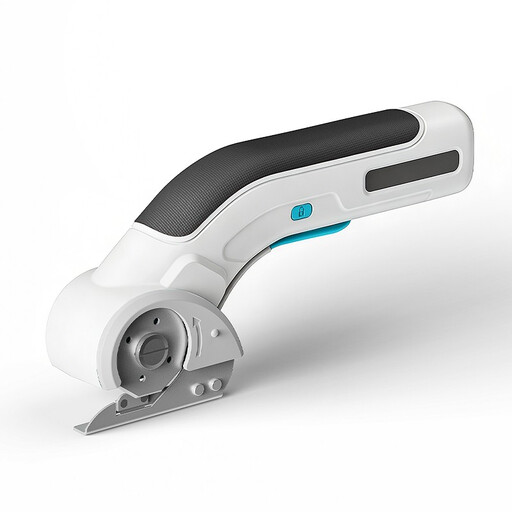
Why it suits this user: According to the product description, this lightweight cordless rotary cutter is designed for sewing, craft projects and cutting felt, leather, plastic, cardboard and carpet.
USB-C charging, a blade lock and tool-free blade changes are clearly specified. Bear in mind, though, that only one blade is included.
Weighs 0.39 kg, runs at 11,000 rpm and has a stated noise level of under 70 dB.
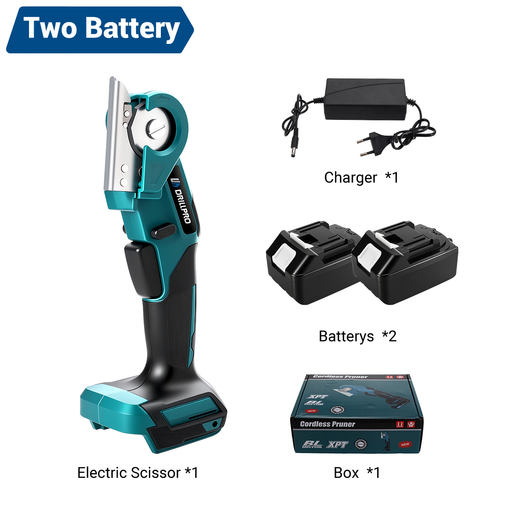
Why it suits this user: This tool is aimed at frequent users who prefer a heavier tool with a stated cutting capacity of up to 6 mm and two 2.5 Ah batteries.
The product details specify the motor power, cutting capacity, battery information and EU plug. Even so, check which specific materials the tool is approved for before buying.
80 W motor, two batteries and a low-vibration design, according to the supplier.
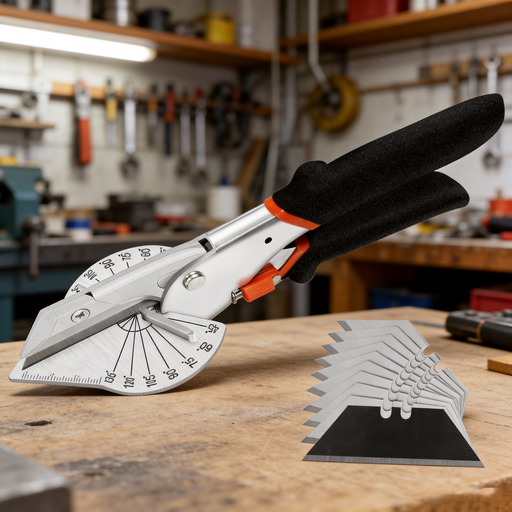
Why it suits this user: For precise angled cuts in plastic, PVC, seals and softwood, a manual alternative to an electric cutter may be a good choice.
The 45 to 135-degree angle range and ten replacement blades are clearly specified. However, this tool is not designed for fabric or powered operation.
Adjustable angled cuts, SK5 steel blades and ten replacement blades included.
We’ve put together a complete, regularly updated list of products that meet these strict selection criteria and fully comply with the safety regulations in force in the EU.
It depends on the model. Devices with a USB-C port can be charged using a suitable charger, laptop or power bank. Use only the charging methods recommended by the supplier, and do not charge lithium-ion batteries in damp or very hot conditions.
There is no reliable way to give a fixed lifespan. It depends on the material, cut length, pressure and cleaning. Remove fibres and material residue after each use. If the cutter needs more force, leaves frayed edges or produces uneven cuts, check the blade and replace it if necessary.
The main running costs are electricity and any replacement blades you may need. With USB-C models, the cost of a full charge is usually low; replacement blades and an additional battery may have a greater impact. So compare not only the purchase price, but also what is included and whether compatible replacement parts are available.