
Lieferung heute & morgen

Qualitätsgarantie

Willkommens-Angebote freischalten: KOSTENLOSE Lieferung | Bis zu 80 % RABATT | Kostenlose 30-Tage-JoyPlus-Testphase
App herunterladen
A cordless electric rotary cutter can take noticeably less hand effort than a manual rotary cutter when you’re sewing, crafting or cutting materials to size. However, models vary considerably in battery life, blade shape, safety features and the materials they can handle. If you focus only on a high speed or long battery life, you could miss some important details.
Claims such as ‘up to two hours’ usually refer to a particular operating mode, not every application. Thick leather, carpet or several layers of cardboard can put more strain on the motor than thin fabric or paper. A shorter battery life may be enough for occasional sewing, while small businesses and frequent users should check charging time, battery capacity and whether there’s a charge indicator.
A motor running at 11,000 revolutions per minute sounds powerful, but that alone says little about how well it will handle different materials. Blade geometry, blade diameter, pressure applied and material thickness also matter. An electric fabric cutter for thin cotton has different requirements from an electric cutter for leather and carpet.
Some products come with just one blade, while others include a replacement blade or a dust bag. Before buying, check whether replacement blades are available, how to change them and whether the accessories supplied suit the way you plan to use the cutter. A tool-free blade mount can be convenient, but it doesn’t replace regular checks for wear.
First, check which materials are specifically listed. A sharp rotary blade is often enough for fabric, felt and paper. For corners, edges and tight curves, a pointed blade may be a better choice. A cutter designed for felt and plastic shouldn’t automatically be used on every type of plastic. Hard, thick or particularly dense materials can overload the blade and motor.
Typical uses include:
An electric cardboard cutter isn’t the same as a tool designed for metal or very thick materials. Stick to the material limits specified by the supplier and guide the cutter without applying sideways pressure.
Depending on the model, a USB-C battery-powered cutter can be charged using a mains adapter, computer, power bank or car adapter. Check the following details:
Treat ‘up to two hours’ as a guide. A model with a stated battery life of 45 minutes may be a good choice for short cuts thanks to its compact design, while longer sessions may call for a model with a longer battery life.
Before each use, check that the lock on a rotary cutter with a safety lock is working properly. The blade stays sharp even when the motor is switched off. So always follow these basic rules:
A stated operating noise level below 70 dB may be useful to know if you plan to use the cutter at home or in a workspace. However, perceived noise will depend on the material, the pressure applied and the acoustics of the room.
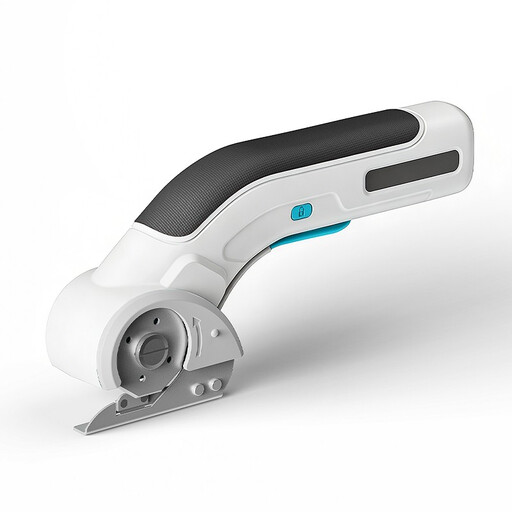
Why it suits this type of user: This cordless electric rotary cutter is designed for a range of materials, including felt, carpet, leather, plastic and cardboard. Weighing just 0.39 kg and featuring a USB-C charging port, it’s well suited to occasional jobs around the home or in a hobby room.
The claimed battery life of up to two hours, safety lock and tool-free blade change are clearly stated technical features. However, only one blade is included.
11,000 rpm, USB-C charging, a stated noise level below 70 dB and an ergonomic handle.
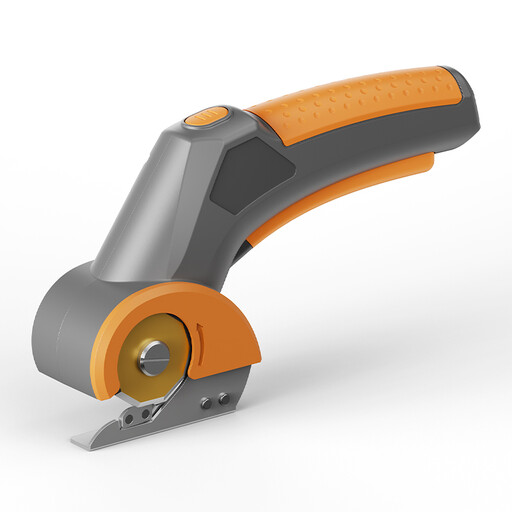
Why it suits this type of user: This version combines a compact design with a replacement blade and dust bag. That’s handy if sewing, crafting or cutting materials regularly leaves behind offcuts and you want a spare blade ready to use.
The package contents explicitly include a replacement blade. This means you won’t need to order a spare straight away if the original blade wears down during normal use.
4 V lithium battery, USB-C charging, stated battery life of up to two hours, safety lock and a weight of around 0.386 kg.
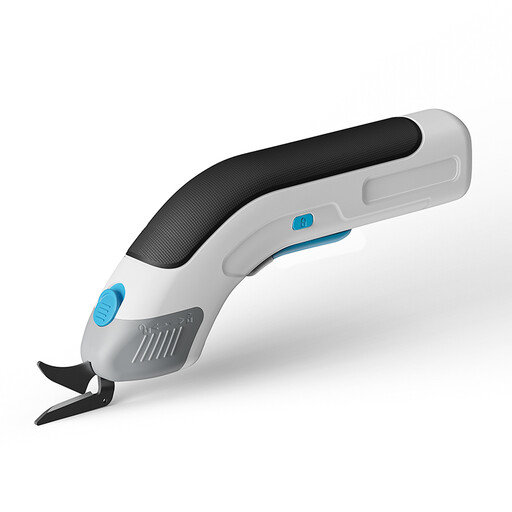
Why it suits this type of user: The pointed blade is designed for work around edges and corners. Weighing 0.2 kg, with a charge indicator and a stated charging time of around 1.5 hours, this model is well suited to frequent, short cutting jobs at home or in a work setting.
Battery life is stated as up to 45 minutes per charge, giving you a clearer indication than a vague claim of long battery life. The built-in indicator helps you plan when to charge it next.
Pointed tungsten steel blade, according to the supplier; 11,000 rpm; one-button blade change; and a safety lock.
We’ve put together a complete, regularly updated list of products that meet these strict selection criteria and fully comply with the safety regulations in force in the EU.
Battery life depends on the material, cutting thickness, pressure applied and battery condition. The product details for the models listed state up to two hours or up to 45 minutes per charge. Treat these figures as a guide, rather than a guaranteed runtime under every type of load.
According to their product descriptions, several of the models listed are designed for leather and carpet. Before use, check the material thickness and blade shape. Try cutting a scrap piece first, guiding the cutter slowly and without applying sideways pressure. Very thick or hard materials may be outside the cutter’s intended uses.
Aside from the electricity used for USB-C charging, the main ongoing cost is replacement blades. Models supplied with a spare blade can put off your first replacement purchase. After each use, clean fibres, dust and material residue from the blade, and store the electric craft cutter somewhere dry. This can help keep it in good working order, but it won’t remove the need to replace a damaged or worn blade.