
Lieferung heute & morgen

Qualitätsgarantie

Willkommens-Angebote freischalten: KOSTENLOSE Lieferung | Bis zu 80 % RABATT | Kostenlose 30-Tage-JoyPlus-Testphase
App herunterladen
A cordless electric rotary cutter can save you time when sewing, crafting and tackling DIY projects. Depending on the model, it can cut fabric, felt, leather, carpet, paper, cardboard or plastic. However, electric scissors and cordless cutters can vary considerably in their blades, run time, weight and safety features.
If you focus only on a high speed or long battery life, it’s easy to overlook important details. Three common buying misconceptions are particularly worth bearing in mind:
A traditional fabric rotary cutter often uses a circular blade that you guide along the cutting line. When cutting fabric and felt, steady handling is important to help keep the edge from fraying. A pointed blade, on the other hand, can be useful for corners, edges and hard-to-reach areas.
Before you buy, check:
For leather, carpet, plastic or corrugated cardboard, pay particular attention to the material thickness and cutting capacity. An electric cutter isn’t automatically suitable for every hard or thick material.
A USB-C cordless cutter can be charged using compatible mains adaptors, computers, power banks or car chargers. It’s important to look beyond the voltage and charging time and check the stated run time too.
The models featured here use a lithium-ion battery of around 4 to 4.2 V. Depending on the model, the stated continuous run time is up to 45 minutes or up to two hours. Treat these as manufacturer claims, not as guaranteed run times for every application.
Also check:
For occasional sewing and craft projects, a shorter run time is often enough. If you’re cutting larger quantities of carpet, leather or cardboard, remember to factor charging breaks into your plans.
A lightweight design can reduce strain on your hand when making long cuts. At the same time, the body should sit securely in your hand. A non-slip grip, an easy-to-reach switch and an integrated safety lock are all useful features to look for.
Electric scissors or a multi-purpose cutter have a sharp blade and shouldn’t be treated like harmless craft tools. Before use, you should:
According to the product description, a self-sharpening feature reduces maintenance. However, it doesn’t replace safe handling or regular checks for damage.
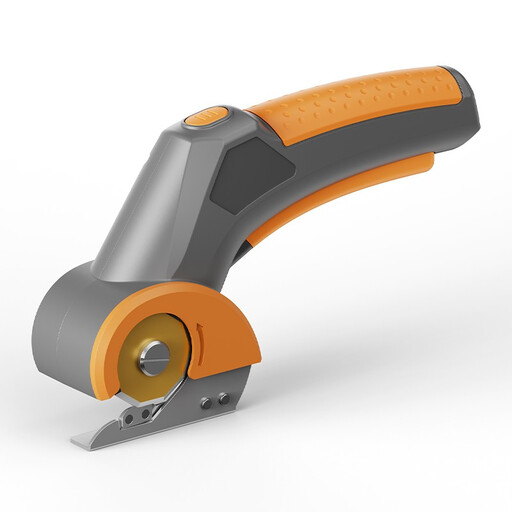
Why it suits this type of user: This compact 4 V model is a good choice if you’re looking for a straightforward cordless cutter for paper, cardboard, felt, leather, carpet and plastic.
The product description clearly lists the compatible materials and focuses on a compact cordless design rather than making performance claims without further detail.
4 V battery, rotating steel blade and a lightweight, ergonomic handheld design.
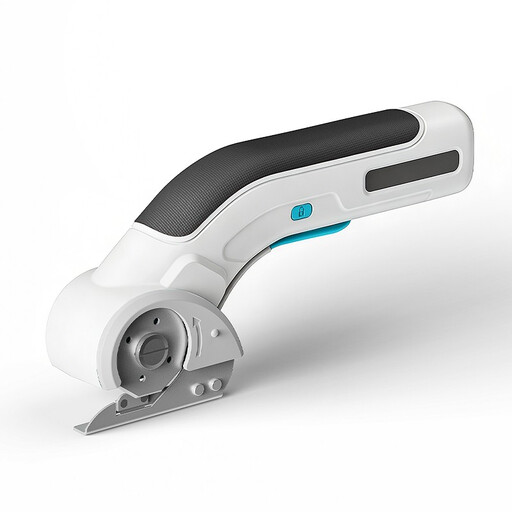
Why it suits this type of user: The circular blade and 11,000 rpm motor make this a good fit for regular cutting of fabric, felt, leather, carpet, cardboard and plastic.
The specifications include the weight, noise level, charging method and safety lock. Bear in mind that only one cutting blade is included.
Weighs 0.39 kg, charges via USB-C, offers up to two hours of continuous use according to the product details, and has a tool-free blade change.
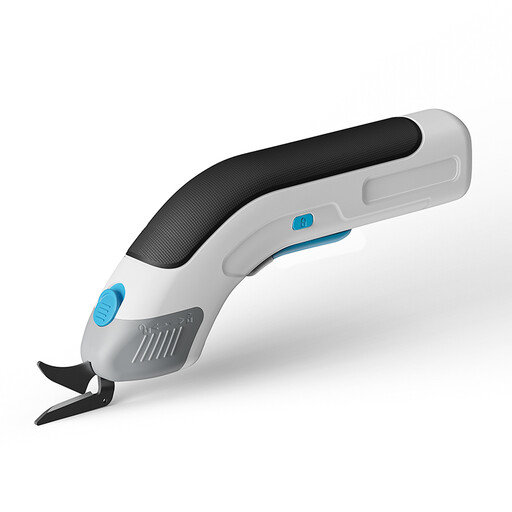
Why it suits this type of user: The pointed blade is designed for edges and corners, making it a good option for detailed sewing, crafting and DIY work.
The stated run time of up to 45 minutes, charging time of around 1.5 hours and integrated battery indicator are all clearly specified.
Weighs 0.2 kg, with a tungsten steel blade, safety lock and one-button blade change.
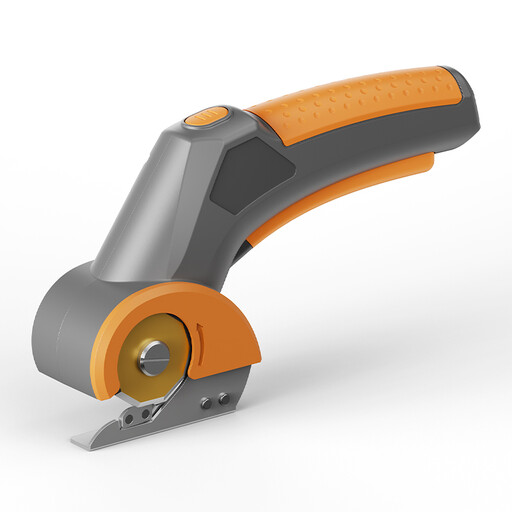
Why it suits this type of user: This model combines a 4 V battery with the ability to cut paper, corrugated cardboard, carpet, leather, felt and plastic.
The box contents include a dust bag and a spare blade as well as the cutter. This makes the included accessories clearer than with versions that come with just one blade.
Up to two hours of continuous use according to the stated specifications, USB-C charging, a safety lock and a high-carbon steel blade.
We’ve put together a complete, regularly updated list of products that meet these strict selection criteria and the safety regulations in force in the EU.
Charge the battery using the recommended USB-C charging method and check that the blade is fitted correctly before switching the cutter on. Place the material on a suitable cut-resistant surface. While the cutter is running, keep fingers, loose clothing and cables away from the blade’s path. Before changing the blade, switch the device off, disconnect it from the power source and engage the safety lock.
Blade life depends on the material, cutting length, pressure and care. One model is listed with a tungsten steel blade that has been tested by the manufacturer for over two million cuts. This isn’t a general figure that applies to every use. Remove any residue after use and replace the blade if it shows visible signs of damage.
Depending on how often you use the cutter, you may need to pay for spare blades in addition to the electricity it uses. Models that include a spare blade can be more practical for frequent use. If a model comes with just one fitted blade, check whether compatible replacements are available. USB-C charging lets you use existing adaptors or power banks, provided their voltage and charging requirements are compatible.