
Lieferung heute & morgen

Qualitätsgarantie

Willkommens-Angebote freischalten: KOSTENLOSE Lieferung | Bis zu 80 % RABATT | Kostenlose 30-Tage-JoyPlus-Testphase
App herunterladen
By Joybuy Product Recommendation Officer, August 28, 2026
Manually cutting fabric, cardboard, or leather can quickly lead to hand fatigue and messy edges. A cordless electric scissor promises a solution: precise, effortless, and rapid cuts. However, the market is flooded with models whose marketing claims often suggest more than the technology can deliver. Before you make a decision, it's crucial to understand the common pitfalls that often only become apparent after the purchase.
This guide will help you distinguish the quality models from the rest by focusing on the critical technical features and exposing common flaws.
Many users experience disappointment after their purchase, which can be traced back to a few critical weaknesses.
To avoid a bad purchase, you should focus your attention on three core technical areas. These determine whether an electric cutter is suitable for your projects or not.
The usability of a cordless tool lives and dies by its power supply. Pay attention to two key metrics:
Not every blade is suitable for every material. The combination of blade shape and motor speed is crucial for clean cuts.
A good tool not only fits comfortably in your hand but is also safe to use.
Based on these criteria, we have identified a few models that offer a suitable solution for specific user profiles.
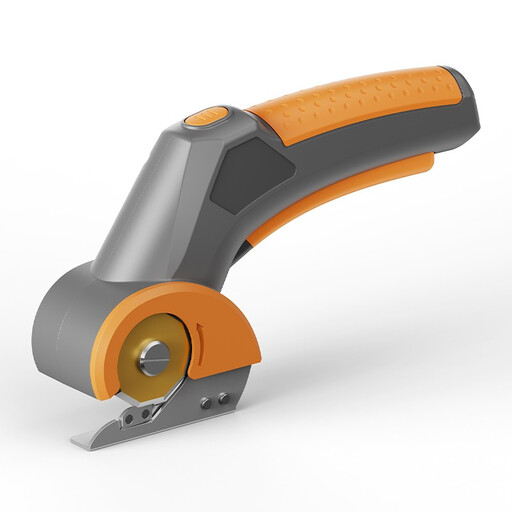
Why it's a good match: Ideal for anyone who needs a straightforward tool for occasional projects like cutting cardboard, crafting with felt, or trimming wrapping paper. The lightweight and handy design makes it very user-friendly.
The round blade is designed for simple materials like paper and cardboard, avoiding the snagging that occurs with unsuitable blades. The integrated battery eliminates the need to buy disposable batteries.
Compact, cordless design for maximum flexibility. Versatile for use on paper, cardboard, felt, and thin plastic.
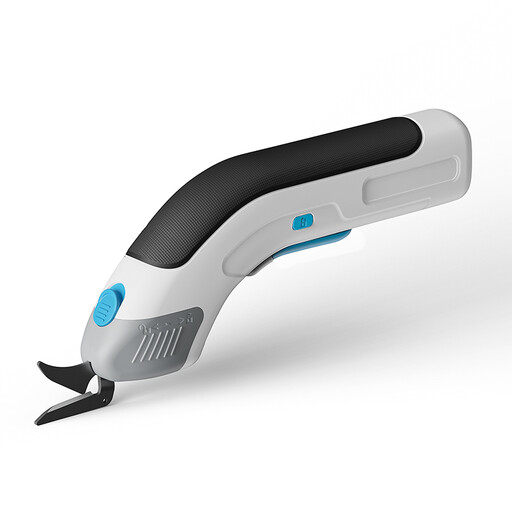
Why it's a good match: Perfect for DIYers and model makers who need precise cuts in corners and along contours. The pointed blade allows for exact guidance on complex shapes in materials like cardboard or plastic.
The specialised pointed blade is optimised for detail work, avoiding the inaccuracy of universal blades. The integrated safety lock reliably prevents accidental activation.
Powerful 11,000 RPM motor for efficient cutting. According to the manufacturer, the tungsten steel blade is designed for durability.
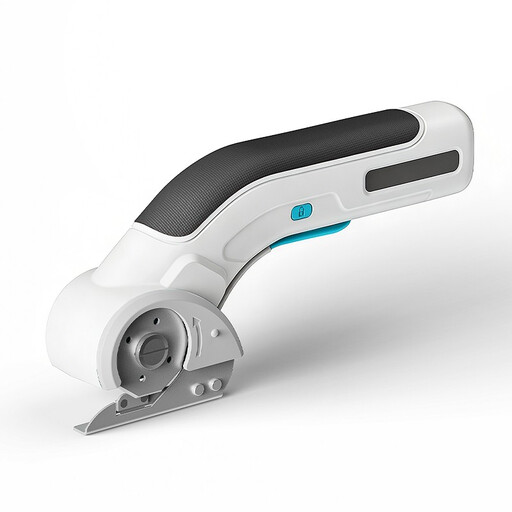
Why it's a good match: This electric fabric cutter is designed for hobby tailors and sewing enthusiasts. The round blade glides effortlessly through textiles, ensuring clean, fray-free edges, which is crucial for fabric processing.
The self-sharpening blade prevents the problem of dull blades that damage fabrics. With a battery life of up to 2 hours, even larger sewing projects are not interrupted by constant recharging.
Long battery life and USB-C charging capability. The self-sharpening blade made of carbon or stainless steel ensures lasting sharpness.
We've compiled a complete, up-to-date list of products that meet these strict selection criteria and comply with current safety regulations.
1. How long does the battery of an electric scissor last on average? Battery life varies depending on the model and usage. Basic devices often offer 30-45 minutes of runtime. More powerful models with 4.2V and 2000mAh batteries can achieve a continuous use time of up to 2 hours, which is sufficient for most projects. The charging time for modern devices with USB-C is often only 1.5 to 2 hours.
2. Can I really cut thick carpet or leather with electric scissors? Yes, this is possible with the right tool. The key factors here are the motor power (RPM) and the quality of the blade. A model with a strong motor (e.g., 11,000 RPM) and a robust blade made of tungsten or carbon steel can easily cut materials like thin carpet, leather, cardboard, and plastic. For very thick or tough materials, you should check the manufacturer's specifications for the maximum cutting thickness.
3. How do I safely change the blade on a cordless cutter? Safety is the top priority here. Ensure the device is turned off and the safety lock is engaged. Many modern devices feature a tool-free blade change, often with a simple button press. Wear gloves during the change to avoid cuts. Hold the new blade only by its unsharpened sides and make sure it is securely seated after insertion. Dispose of the old blade safely.