
Lieferung heute & morgen

Qualitätsgarantie

Willkommens-Angebote freischalten: KOSTENLOSE Lieferung | Bis zu 80 % RABATT | Kostenlose 30-Tage-JoyPlus-Testphase
App herunterladen
A cordless impact wrench can save you a lot of time when changing tyres, carrying out car repairs or tackling assembly work. However, models vary considerably in torque, drive type, battery options and intended use. A high figure on the packaging doesn’t automatically mean the tool is suitable for every fastener.
There are three key questions to consider when choosing one: What size fasteners will you be working on? How often will you use the tool? And do you already have a compatible battery system?
Manufacturers often quote a maximum torque figure in newton metres. This usually describes the tool’s peak output under specific conditions. In practice, speed, impact rate, battery capacity, the socket being used and the condition of the fastener also matter.
A high-torque impact wrench can loosen stubborn wheel nuts. However, don’t rely on the tool alone when tightening them. Wheel bolts should be checked with a suitable torque wrench, following the vehicle manufacturer’s instructions.
A 21V cordless impact wrench runs on a particular battery system. However, voltage alone tells you little about actual run time or power under load. Also check:
“15000 mAh” and “4.0 Ah” can’t be compared directly if the voltage or cell configuration they’re based on differs.
A 1/2-inch cordless impact wrench has a square drive for compatible impact-rated sockets. Standard chrome vanadium sockets aren’t necessarily suitable for use with impact wrenches. Choose accessories clearly marked as impact-rated.
A socket set is handy, but check that it includes the sizes you need. For many cars, 17, 19, 21 or 22 mm sockets are useful; commercial vehicles may require different sizes.
For occasional work on a car, a model offering around 200 Nm may be sufficient, depending on the fastener. Tools with higher quoted figures are available for stubborn fasteners, assemblies or HGV applications. Treat these figures as product specifications, not as guaranteed performance in every situation.
Speed affects how quickly a fastener turns. Impact rate is the number of blows per minute. More impacts can help loosen seized fasteners, but they also increase noise and vibration.
A 1/2-inch square drive is a common size for wheel nuts and larger fasteners. A compact electric impact wrench with a 1/4-inch hex chuck, on the other hand, is more suited to bits and lighter fastening jobs. The Makita model in our selection, for example, falls into this second category and shouldn’t be confused with a conventional 1/2-inch wheel nut wrench.
A short design makes it easier to work in a wheel arch or engine bay. More powerful tools can also be heavier, so check the weight, handle design and position of the direction switch.
A brushless impact wrench has no carbon brushes in its motor, eliminating this common wear point. Whether that matters depends on how often you’ll use it. This design can be a good choice for workshops, tyre-fitting businesses and regular assembly work. If you’re an occasional user, also consider the purchase price and battery system.
A two-battery impact wrench is useful for longer jobs: you can charge one battery while using the other. Actual run time depends on the load, fastener size, temperature and battery condition.
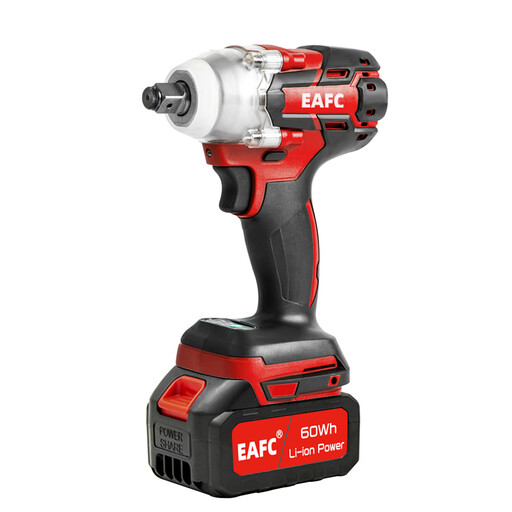
Why this product suits this user: This tool is designed for basic car maintenance and handheld removal tasks. Its quoted 200 Nm output and 21V battery make it a good fit for anyone looking for an entry-level cordless model.
The product information clearly states the maximum torque, battery contents and USB charging cable. This makes it easy to check what’s included before you buy.
200 Nm, brushless motor, LED work light and variable speed control.
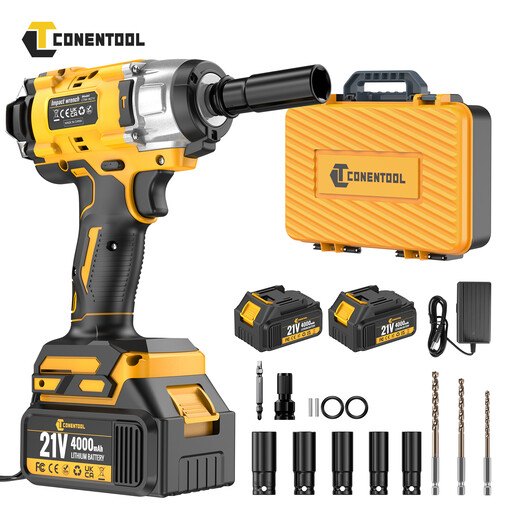
Why this product suits this user: This 1/2-inch model combines three speed settings, a variable trigger and two 21V batteries. It’s suited to regular work on cars, machinery and assembly structures.
Five sockets, in sizes 17, 18, 21, 22 and 24 mm, are listed as included. This means you’re less likely to need extra accessories for common car maintenance jobs.
Up to 800 Nm according to the product information, brushless motor, LED and 2 batteries, each with a capacity of 4000 mAh.
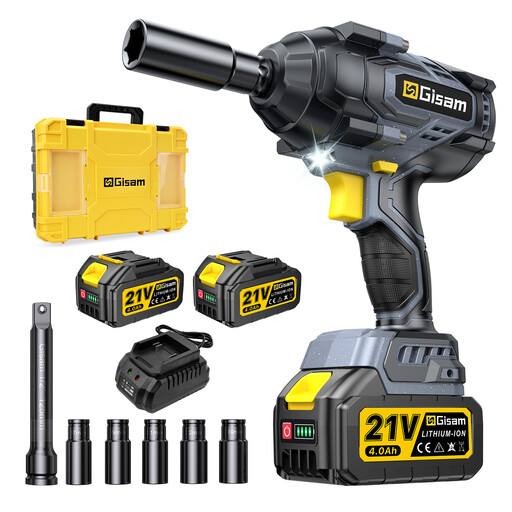
Why this product suits this user: Four speed settings, two 4.0 Ah batteries and a 1/2-inch drive make this model well suited to frequent work on vehicles, tyres and larger fasteners.
The four settings let you adjust the tool to suit different jobs. The built-in battery indicator helps you check the charge level before longer periods of use.
1800 Nm, 4000 rpm, 2 batteries and five sockets, according to the product description.
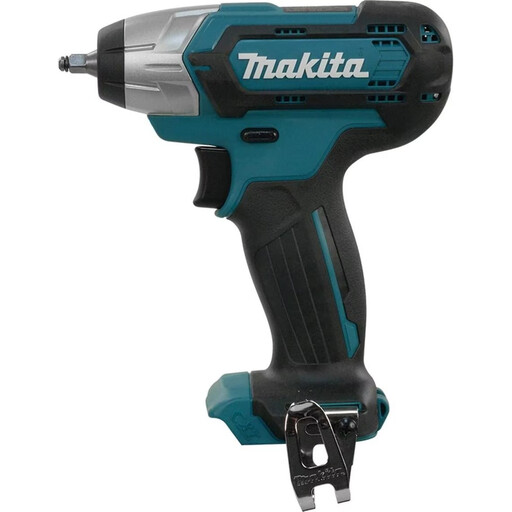
Why this product suits this user: This compact 12V impact wrench uses the Makita CXT battery system and is sold without a battery or charger. It’s therefore best suited to owners of compatible batteries.
The fact that no battery is included is clearly stated. This makes it easier to work out the true cost before buying.
Weighs 0.93 kg, maximum torque of 60 Nm, LED work light and electronic battery protection.
We’ve put together a complete, regularly updated list of products that meet these strict selection criteria and the safety regulations in force in the EU.
It depends on the vehicle, wheel bolts and condition of the fasteners. Tools offering around 200 Nm are available for many cars; seized or larger fasteners may require more power in reserve. Always follow the tool manufacturer’s specifications and the vehicle manufacturer’s instructions.
There’s no single answer. Frequent impacts, large fasteners, cold temperatures and heavy loads will drain the battery more quickly. Two batteries help reduce interruptions. If you’ll be using the tool regularly, factor in the availability of replacement batteries and charging time as well.
It can start and tighten wheel nuts. However, you should carry out the final check with a suitable torque wrench, using the specified tightening torque. This helps prevent the bolts from being too loose or too tight.