
Lieferung heute & morgen

Qualitätsgarantie

Willkommens-Angebote freischalten: KOSTENLOSE Lieferung | Bis zu 80 % RABATT | Kostenlose 30-Tage-JoyPlus-Testphase
App herunterladen
A high-performance cordless impact wrench is an indispensable tool for seasonal tyre changes and demanding car repairs. However, the market is flooded with tempting offers whose technical specifications often promise more than they deliver. Many buyers invest in a device that is either overkill for their needs or fails on stubborn lug nuts after just a short time. As your Joybuy Product Recommendation Officer, I'll help you identify the crucial features and avoid marketing traps.
Before you make a purchasing decision, you should be aware of the most common pitfalls that can lead to frustration and unnecessary expense.
To find the right tool, focus on the following objective criteria that are critical for performance and durability.
Torque is the most important metric for a powerful impact wrench. However, it's crucial to distinguish between two values:
A good electric impact wrench for cars should offer adjustable tightening torque or multiple power settings to prevent damage, while also having sufficient loosening torque reserves.
The tool anvil determines which sockets you can use. In the automotive sector, the 1/2 inch impact wrench square drive has established itself as the universal standard. This size offers an excellent balance of stability and compatibility with most common socket sets for automotive and construction use. Be sure to use only impact-rated sockets, as standard sockets can shatter under the load.
Battery technology is the heart of any cordless tool. An 18V impact wrench or a comparable 20V/21V system offers a good compromise between power and handling. More important than the raw voltage, however, is the ecosystem. If you already own tools from a particular brand, an impact wrench for Makita batteries (or other established systems) can be a smart investment, as you can continue to use existing batteries and chargers. Always check the exact compatibility of the battery series (e.g., Makita LXT), as not all batteries from the same manufacturer will fit.
Here are some recommendations tailored to different needs and use cases.
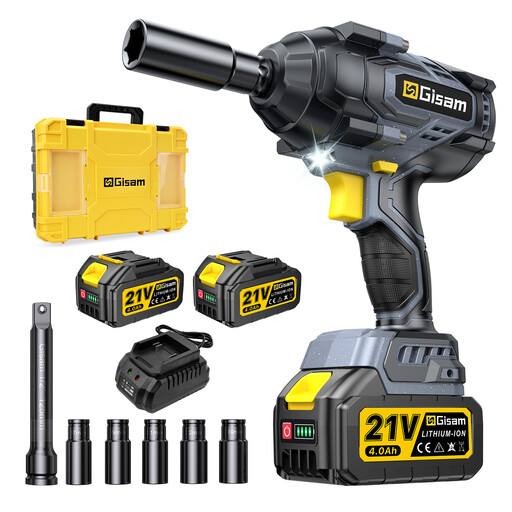
Why This Fits Their Persona: Ideal for users who want a powerful all-around tool for seasonal tyre changes on cars and SUVs, as well as for other heavy-duty fastening jobs around the house and garden. The high performance provides reserves for stubborn bolts.
This model is supplied as a complete set with two 4.0Ah batteries, a charger, and sockets. This bypasses the trap of hidden follow-up costs. The brushless motor ensures durability.
Complete Set: Ready to use immediately thanks to two batteries and accessories. High-Performance: High loosening torque of 1800 Nm according to the manufacturer's specifications for demanding tasks.
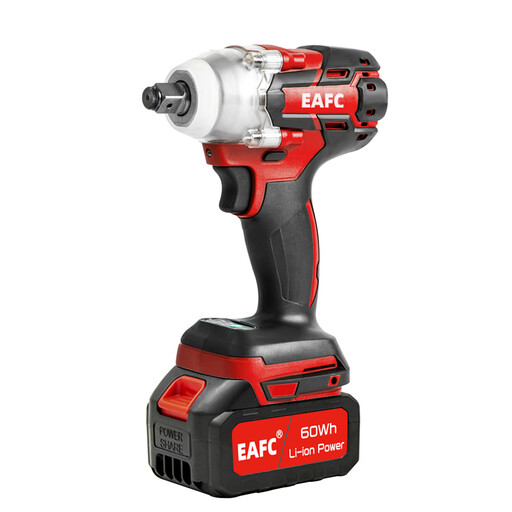
Why This Fits Their Persona: Perfect for occasional use, like the biannual tyre change on a personal car. The torque is sufficient for correctly tightened lug nuts, and the tool is a cost-effective alternative to manual tools.
The torque specification of 200 Nm is realistic for this price range and avoids the trap of exaggerated advertising claims. The device comes with a battery and charging cable, so there are no unexpected additional costs.
Low Initial Cost: A very accessible model for beginners. Brushless Motor: Offers modern and durable motor technology despite the low price.
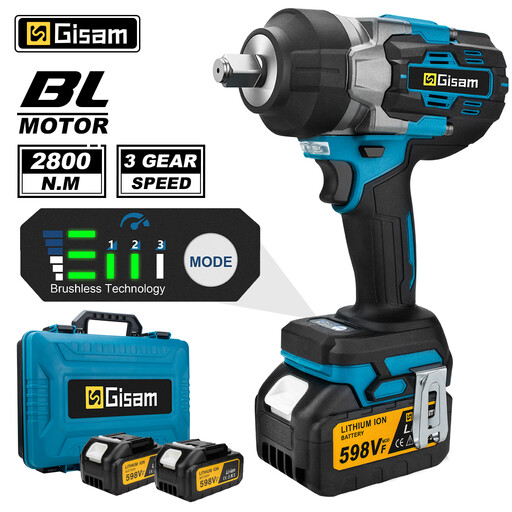
Why This Fits Their Persona: Ideal for users who already own Makita 18V LXT batteries and need an extremely powerful tool for heavy-duty work on commercial vehicles, in agriculture, or on construction sites.
This device is offered as a bare tool and specifically addresses the battery cost trap by enabling the use of an existing, widespread system. The compatibility is clearly declared.
System Compatibility: Saves costs by using existing Makita 18V batteries. Extreme Power: The very high torque stated by the manufacturer makes it suitable for the most demanding loosening jobs.
We've compiled a complete, up-to-date list of products that fully meet these strict selection criteria and European safety standards.
1. What torque do I really need for a car tyre change? For most passenger cars, manufacturers specify a tightening torque between 110 Nm and 150 Nm. To safely loosen even seized or corroded lug nuts, an impact wrench with a real-world loosening torque of at least 300 Nm is a good choice. Controllability is more important than maximum power. Never tighten lug nuts at full power; instead, use a lower setting and always perform the final tightening with a calibrated torque wrench.
2. What is the difference between a brushless and a conventional cordless impact wrench? A brushless impact wrench has no physical carbon brushes that make contact with the rotor. This reduces friction and wear. The advantages are higher efficiency (more work per battery charge), a longer motor lifespan, less heat generation, and a more compact design. Conventional brushed motors are cheaper to purchase, but the brushes wear out and may need to be replaced.
3. Can I use an impact wrench for Makita batteries with any Makita battery? No, compatibility must be checked carefully. Most compatible third-party tools are designed for Makita's widespread 18V LXT series (e.g., BL1830B, BL1840B, BL1850B). However, they are often not compatible with the G-Series (e.g., BL1813G) or older Ni-Cd batteries. Read the product description carefully to ensure your existing batteries are supported.