
Lieferung heute & morgen

Qualitätsgarantie

Willkommens-Angebote freischalten: KOSTENLOSE Lieferung | Bis zu 80 % RABATT | Kostenlose 30-Tage-JoyPlus-Testphase
App herunterladen
A cordless outdoor light promises freedom: atmospheric lighting on the balcony, safe pathways in the garden, or a flexible light source for camping—all without cables or outlets. But the market is flooded with models whose promises don't hold up in practice. Before you make a decision, it's crucial to understand the common pitfalls that often only become apparent after your purchase.
Many buyers are frustrated by lights that fail after the first rain shower, have a battery that barely lasts an evening, or prove to be impractical to use. This guide will show you what to look for to find a wireless outdoor light that truly meets your needs.
Marketing claims can be misleading. Pay close attention to these three points to avoid disappointment:
To avoid a bad purchase, focus on verifiable technical specifications. These three parameters are crucial for the longevity and functionality of your light.
The IP (Ingress Protection) rating is an international standard that indicates how well a device is protected against the intrusion of foreign objects and water.
The battery performance determines how long you can enjoy your light before it needs to be recharged.
The right functionality transforms a simple light source into a smart tool for greater comfort and security.
Not every light suits every need. Here are some recommendations tailored to specific use scenarios.
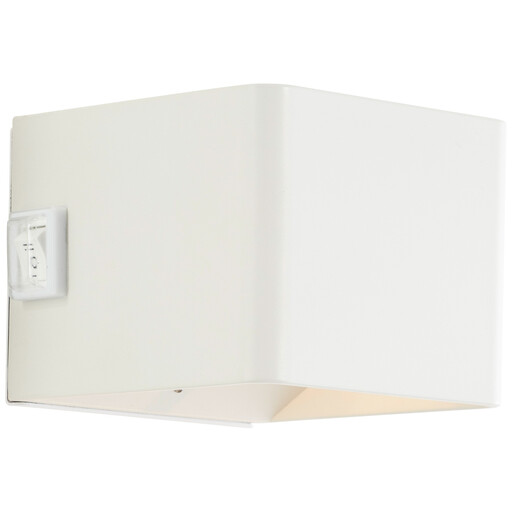
Why it's a great fit: Ideal for anyone who wants to illuminate paths, entrances, or dark corners automatically and on-demand. The motion sensor provides security and convenience without needing to manually flip a switch.
With its certified IP44 rating, this light is explicitly designed for outdoor use and can withstand splashing water. It avoids the flexibility trap with an integrated magnet, allowing for tool-free installation on metal surfaces.
The combination of a motion sensor and magnetic mount offers straightforward and flexible security lighting exactly where it's needed.
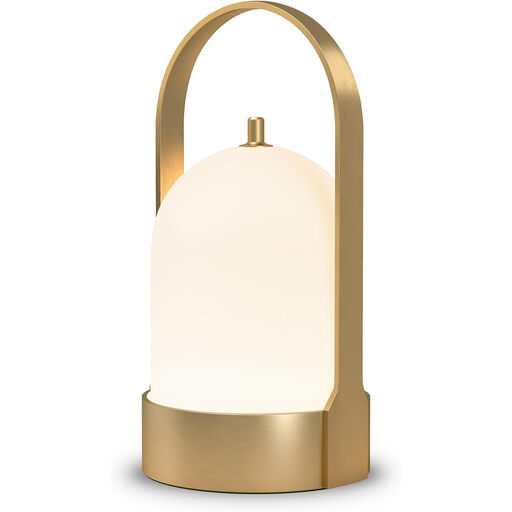
Why it's a great fit: Perfect for atmospheric evenings on the balcony or patio. As a mobile table lamp, it creates a cosy ambience and can be placed anywhere thanks to its battery operation.
The battery with 4000 mAh capacity provides a solid foundation for a long runtime, avoiding the trap of unrealistic battery life promises. The IP44 certification ensures that the lamp can withstand a light rain shower.
The 4-level touch dimming function allows for simple and intuitive brightness adjustment with just a tap. The non-slip silicone base ensures a secure footing on various surfaces.
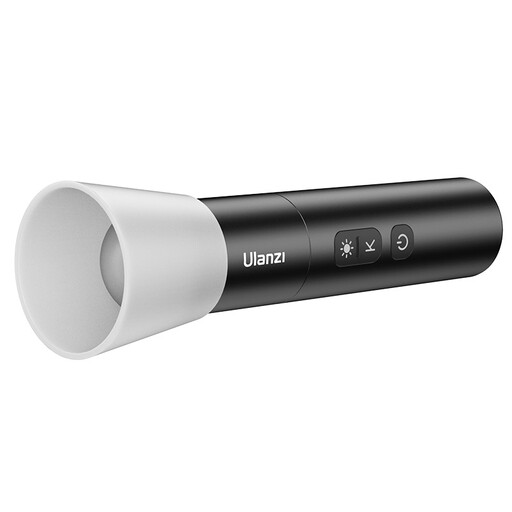
Why it's a great fit: Although designed as a photography light, its low weight, compact design, and versatile settings make this light an excellent companion for camping and outdoor activities.
This model avoids the trap of limited functionality. Instead of just turning on and off, it offers an adjustable colour temperature (2000K-5500K) and a zoom function, providing high adaptability for various situations (tent lighting, pathfinding).
The zoomable optic allows the light beam to be changed from a wide, diffuse light to a focused beam. The 2000 mAh battery is a solid compromise between size and runtime for on-the-go use.
We have compiled a complete, up-to-date list of products that meet these strict selection criteria and applicable safety regulations.
The actual runtime depends heavily on the battery capacity (in mAh) and the selected brightness level. Check the manufacturer's specifications for different brightness levels, if available. As a rule of thumb, a light with a 4000 mAh battery can last for about 8–12 hours at high brightness, and often over 50 hours on the lowest setting.
The IP44 rating means that the light is protected against solid objects larger than 1 mm in diameter and against splashing water from all directions. This is sufficient for use in covered outdoor areas such as balconies, loggias, or under eaves. For areas exposed to heavy rain, a higher rating like IP65 is advisable.
It is not recommended. Extreme cold, especially frost, can permanently damage the lifespan and capacity of lithium-ion batteries. Most manufacturers advise storing the lights indoors at moderate temperatures during the winter months to maximise battery life.