
Lieferung heute & morgen

Qualitätsgarantie

Willkommens-Angebote freischalten: KOSTENLOSE Lieferung | Bis zu 80 % RABATT | Kostenlose 30-Tage-JoyPlus-Testphase
App herunterladen
Manually cleaning your pool is a time-consuming and often tedious task. A cordless pool robot promises a solution, cleaning the pool floor, walls, and waterline fully automatically. However, the market is crowded, and many devices fail to live up to their advertising claims. As a Joybuy Product Recommendation Officer, I'll help you identify the crucial features and avoid common pitfalls so you can make an informed decision.
Many pool owners invest in an automatic pool cleaner only to find that the device doesn't meet their expectations after a short time. This is often due to exaggerated marketing claims that mask key technical weaknesses.
To avoid these problems, you should carefully examine three core technical areas before buying. These determine whether a battery-powered pool robot is a genuine labour-saver or just a source of frustration.
A robot's ability to climb vertical surfaces depends on two factors: a powerful drive system and effective brushes.
A modern automatic pool cleaner should have intelligent navigation. Advanced models use gyroscopes and accelerometers to detect the pool's shape and plan a systematic cleaning path.
The effectiveness of the cleaning depends directly on the suction power and the filtration system.
Based on the criteria above, we have identified a few models that represent a considered choice for different user profiles and requirements.
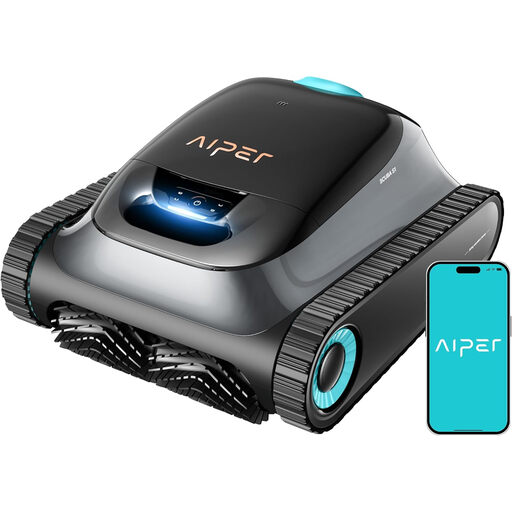
Why it's a good fit: This device is designed for pool owners seeking a reliable, all-in-one solution without unnecessary frills. It cleans the floor, walls, and waterline, offering a long battery life for a complete clean in a single pass.
The caterpillar track system ensures a secure grip on walls for reliable waterline cleaning. Its systematic WavePath navigation prevents missed spots, and the dual-filter system effectively captures both coarse and fine debris.
Comprehensive cleaning modes (Auto, Floor, Wall) are selectable via the app. Features a long runtime of up to 180 minutes and a dual-layer filtration system (180?m and 3?m) for clear water.
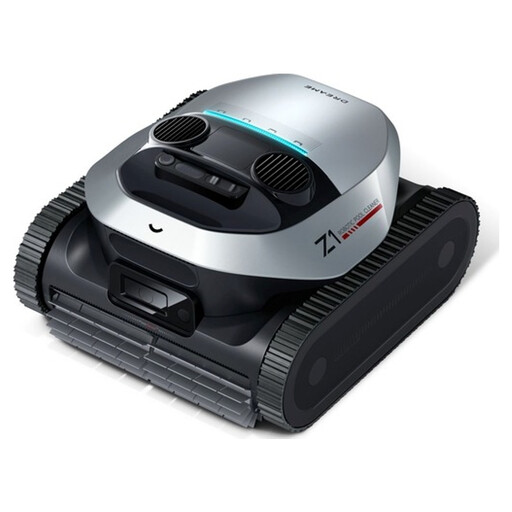
Why it's a good fit: For users who value high performance, intelligent features, and maximum control. The Dreame Z1 combines very high suction power with advanced navigation and unique control options.
The PoolSense technology creates an optimized cleaning path and reliably navigates around obstacles, solving the problem of haphazard navigation. Its high suction power of 30 m?/h and dual-brush system ensure thorough debris pickup, including fine particles.
Control via a LiFi remote at the pool's edge (works in fresh and saltwater). Autonomous docking at the pool's edge for easy retrieval and advanced app features.
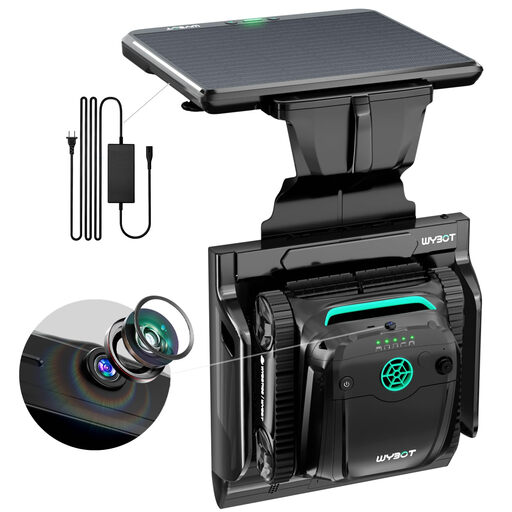
Why it's a good fit: Ideal for owners of large in-ground pools who want an energy-efficient and autonomous solution. The solar charging function extends cleaning cycles and reduces manual charging effort.
This model is designed for pools up to 300 m?, addressing the problem of insufficient coverage in large areas. Its intelligent route planning and app control prevent chaotic movement and allow for targeted cleaning.
Automatic docking and charging via the integrated solar panel. Seven different cleaning modes and paths, customizable via the app, offer high flexibility for complex pool layouts.
We have compiled a complete, up-to-date list of products that fully meet these strict selection criteria and all relevant safety standards.
The lifespan of a battery in a battery-powered pool robot depends on the frequency of use and maintenance. On average, you can expect several hundred charge cycles from lithium-ion batteries, which can correspond to a lifespan of three to five years with seasonal use. The runtime per charge varies by model and cleaning mode, ranging from 90 to 270 minutes.
Yes, many modern cordless pool robots are suitable as pool cleaners for saltwater. The components are designed to resist corrosion from salt. However, it's important to check the manufacturer's specifications and to rinse the robot with fresh, clean water after each use in a saltwater pool to maximize its lifespan.
Maintenance is generally straightforward. After each cleaning cycle, the filter basket should be removed and rinsed out with a garden hose. Let the filter dry completely before reinserting it. Additionally, the brushes and drive wheels or tracks should be regularly checked for trapped hair or debris. Store the device in a cool, dry place protected from direct sunlight.