
Lieferung heute & morgen

Qualitätsgarantie

Willkommens-Angebote freischalten: KOSTENLOSE Lieferung | Bis zu 80 % RABATT | Kostenlose 30-Tage-JoyPlus-Testphase
App herunterladen
A cordless pruning shear promises effortless cutting at the push of a button, significantly reducing your workload in the garden. However, the market is flooded with devices whose real-world performance often fails to live up to their advertising. Before you invest, it's crucial to understand the common pitfalls that can lead to disappointment and unnecessary expense.
As a Joybuy Product Recommendation Officer, I analyse product data to provide you with objective and practical guidance. This guide will show you what really matters and how to find a model that perfectly suits your needs.
Many buyers regret their decision because they fall for common marketing promises. Pay special attention to these three points:
To avoid a bad purchase, you should base your decision on verifiable technical parameters. These three factors are critical for the performance and longevity of your tool.
The maximum cutting capacity, specified in millimetres (mm), is the most important parameter. Before buying, define what you will primarily be cutting. For trimming roses and young shoots (similar to rose shears), models up to 20 mm are sufficient. For pruning fruit trees or more robust shrubs, a tree pruner with a capacity of 25 mm to 35 mm is necessary.
Also, look for bypass blades. In this system, two sharp blades glide past each other, creating a clean, precise cut that is ideal for green wood and gentle on the plant. Anvil shears, where one blade presses against a flat surface, are better suited for deadwood.
The performance of a cordless tool is determined by two values:
A brushless motor is a clear hallmark of quality. It is more efficient, durable, and lower maintenance than conventional brushed motors. The result is better performance per battery charge and a longer lifespan for the device.
The weight and balance of the electric pruner should not be underestimated either. A lightweight, well-balanced tool reduces hand and arm fatigue, which is a significant advantage during extended work in the garden.
Based on these objective criteria, we have compiled a selection of tools suitable for different garden types and requirements.
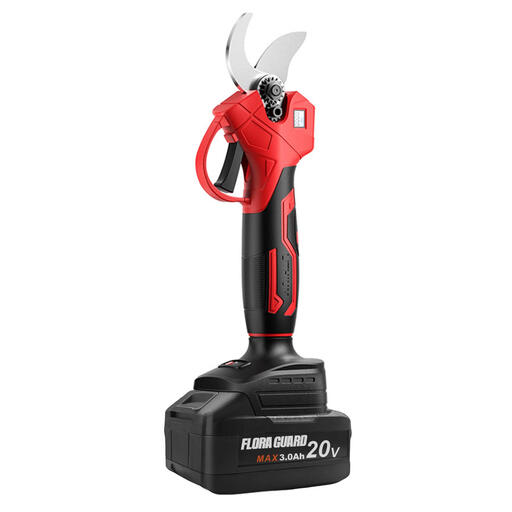
Why This Fits Their Persona: Ideal for hobby gardeners switching from manual to electric shears. It handles the most common tasks like trimming shrubs, roses, and young fruit trees without the high investment of a professional-grade tool.
The inclusion of two 3000mAh batteries bypasses the unrealistic runtime trap and allows for uninterrupted work. The stated 25 mm cutting capacity is realistic for most standard gardening tasks.
Lightweight, cordless design for maximum freedom of movement. The set includes everything needed to get started immediately, including two batteries and a charger.
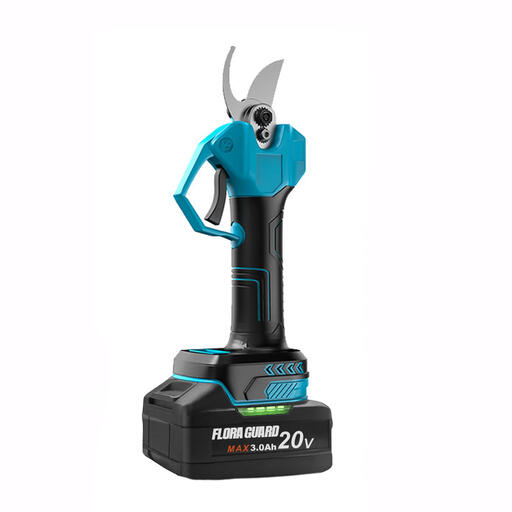
Why This Fits Their Persona: For gardeners with established trees and shrubs who regularly cut branches thicker than 25 mm. This model provides the necessary power for demanding tree trimming and maintaining hardwood plants.
The clearly defined 35 mm cutting diameter is an honest performance specification that avoids the trap of exaggerated cutting capacity. The robust construction is designed for higher stress, preventing premature wear.
Significantly higher cutting power for thick branches. This model also includes two batteries, ensuring longer work sessions without interruption.
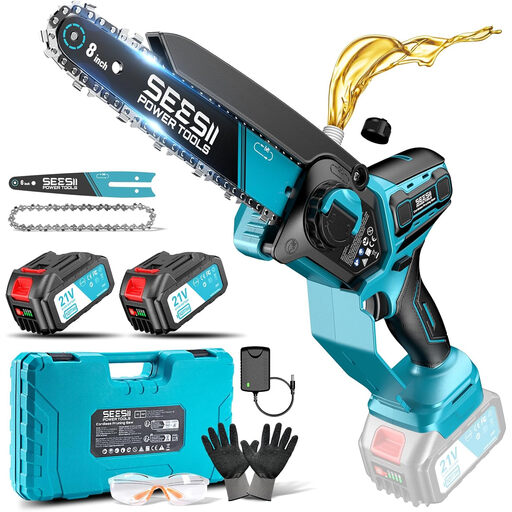
Why This Fits Their Persona: For when a pruning shear is no longer enough. This tool is designed for sawing thick branches, limbing felled trees, or cutting firewood. It is the right tool for larger-scale tree surgery.
This is a specialised cordless mini chainsaw, not a compromise. The brushless motor and automatic chain lubrication directly address the trap of inferior mechanics, ensuring durability and consistent performance.
High sawing power with up to 10 m/s chain speed. The 2-in-1 design with 6- and 8-inch bars offers flexibility for various tasks. Compatibility with Makita 18V batteries is an added bonus.
We have compiled a complete, up-to-date list of products that fully meet these strict selection criteria and German safety regulations.
Clean the blades with a dry cloth after each use to remove plant sap and dirt. A drop of machine oil will protect against rust and keep the mechanism running smoothly. Depending on the frequency of use and the type of wood, the blades will need to be sharpened occasionally to ensure a clean cut.
That depends on the manufacturer. Many brands use proprietary battery systems that only fit within their own product line. However, some manufacturers, like SEESII, explicitly state compatibility with widely used systems (e.g., Makita 18V). This can be a significant advantage if you already own tools from such a brand.
For shaping and maintaining young trees, as well as removing branches up to about 35 mm in diameter, a powerful cordless pruning shear is sufficient. For thicker branches or felling small trees, a cordless hand chainsaw (mini chainsaw) is the safer and more effective tool.