
Lieferung heute & morgen

Qualitätsgarantie

Willkommens-Angebote freischalten: KOSTENLOSE Lieferung | Bis zu 80 % RABATT | Kostenlose 30-Tage-JoyPlus-Testphase
App herunterladen
The search for the right vacuum cleaner can quickly become overwhelming. Manufacturers advertise high wattage, special technologies, and versatile applications. But not every promise holds up to real-world scrutiny. Many devices turn out to be a bad purchase because they don't suit the household or become expensive due to hidden running costs. As your Joybuy Product Recommendation Officer, I'll help you identify the crucial features and avoid marketing traps.
Before we dive into the technical details, it's important to know the most common misconceptions that often lead to dissatisfaction.
To make an informed decision, you should focus on a few essential technical features. These determine how well a vacuum cleaner is suited to your individual needs.
A vacuum cleaner's cleaning performance is the result of the interplay between several components. Instead of focusing only on the motor's wattage, you should consider the entire system:
The filter system is crucial for the air quality in your home, especially for allergy sufferers.
The right type of device depends on your living situation and cleaning habits.
Here are some models tailored to specific needs that cleverly avoid the pitfalls mentioned.
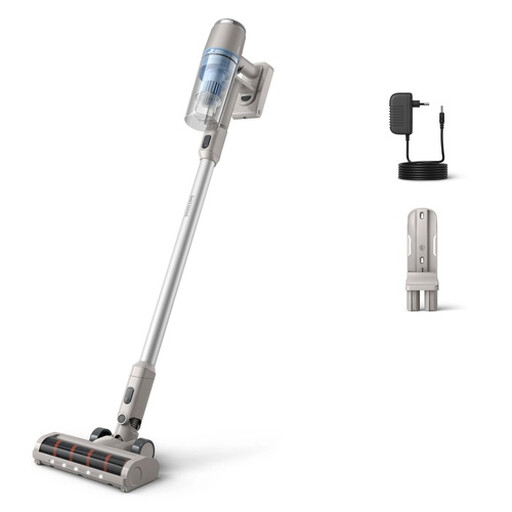
Why it's a great fit: This cordless stick vacuum is lightweight and manoeuvrable, ideal for quick use in small to medium-sized apartments. The detachable handheld unit makes it flexible for cleaning furniture or the car. It's a practical all-rounder for daily messes.
It avoids the "all-in-one" illusion by clearly positioning itself as a flexible solution for daily cleaning, rather than promising a deep-cleaning performance it can't deliver.
2-in-1 functionality: Serves as both a stick and handheld vacuum. Cyclonic filter system: Ensures sustained suction power by separating dust from air.
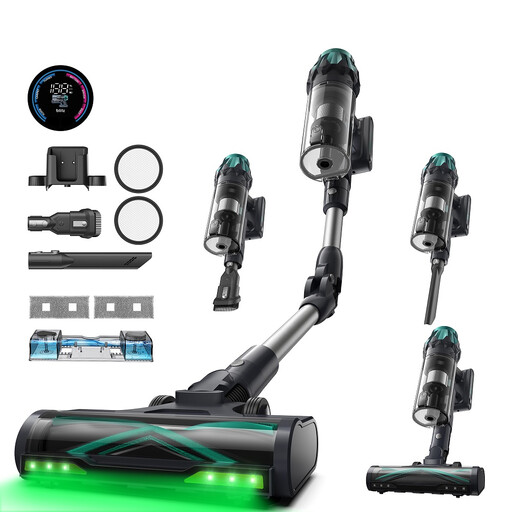
Why it's a great fit: This model is specifically designed for households with pets. The anti-tangle brush and high suction power effectively pick up pet hair. According to the manufacturer, the multi-stage, sealed filtration system captures 99.9% of dust and pet allergens, which is beneficial for allergy sufferers.
It debunks the myth of pure suction power by combining high performance with a specialised, anti-tangle brush roll and an advanced filtration system—a complete system solution for the problem of pet hair.
Specialised for pet hair: Anti-tangle brush prevents hair from getting tangled. High-efficiency filter system: Ideal for allergy sufferers by capturing the smallest particles.
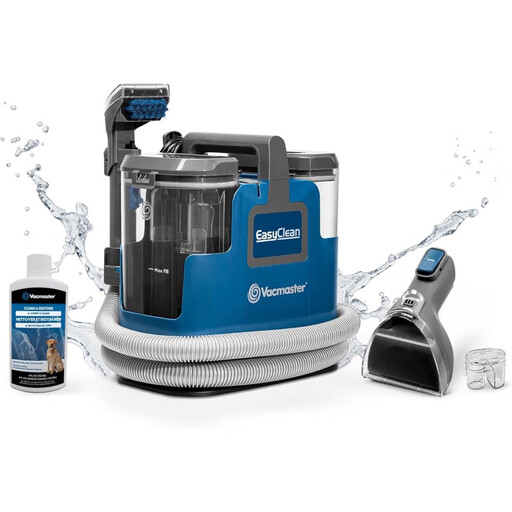
Why it's a great fit: This is a specialised device for wet cleaning. It's ideal for families with children or pet owners to remove stains from sofas, carpets, car seats, and other textiles. It sprays water with a cleaning solution and immediately vacuums up the dirty liquid.
This device is the opposite of the "all-in-one" trap. It is a highly specialised upholstery and carpet cleaner that does one job—stain removal—exceptionally well, rather than doing many jobs mediocrely.
Targeted stain removal: Effectively removes stains and dirt from textiles. Dual-tank system: Separates clean and dirty water for hygienic cleaning.
We have compiled a complete, up-to-date list of products that fully meet these strict selection criteria and German safety regulations.
The frequency depends on the filter type and usage. Simple foam filters should be rinsed under running water after each use or weekly. HEPA filters are more delicate. Many are washable and should be cleaned monthly. Non-washable HEPA filters must be replaced every 6 to 12 months, depending on the manufacturer's instructions, to maintain filtration and suction performance. Always follow the manufacturer's specific recommendations.
Modern, high-quality cordless vacuums are certainly capable of cleaning carpets effectively. The key here is not just pure suction power, but especially a motorised brush roll. This brush penetrates the carpet fibres and lifts dirt and hair to the surface where they can be vacuumed up. However, for very thick, high-pile carpets, a powerful, corded canister vacuum may still be the more thorough solution.
A vacuum mop is specifically designed for cleaning hard floors. It vacuums up loose debris and simultaneously mops the floor with fresh water and rotating brushes or pads. It is intended for everyday floor care. A wet/dry vac is a more robust device that can suck up both dry dust and large amounts of liquid. It is often used in workshops, garages, or for renovation projects, but can also be useful in the home for tasks like cleaning up spills. However, it does not actively mop the floor like a vacuum mop.