
Lieferung heute & morgen

Qualitätsgarantie

Willkommens-Angebote freischalten: KOSTENLOSE Lieferung | Bis zu 80 % RABATT | Kostenlose 30-Tage-JoyPlus-Testphase
App herunterladen
A good cordless screwdriver is the heart of many DIY projects. However, the market is confusing and full of tempting offers that later prove to be impractical or inadequate. Before you make a decision, it's crucial to understand the typical pitfalls that often lead to frustration and unnecessary expense. This guide will help you separate the wheat from the chaff and find a tool that truly fits your needs.
Many purchasing decisions are based on marketing promises that have little relevance in practice. Pay special attention to these three points to avoid a bad investment.
The Power Trap: Too Much Force for the Wrong Job High torque and a high voltage rating sound impressive, but they are often overkill for assembling furniture or mounting shelves. A tool that is too powerful is not only more expensive but also heavier and less manageable, which makes precision work more difficult. In the worst-case scenario, you could damage screws and delicate materials.
The Battery Dilemma: Trapped in a Closed Ecosystem Buying a single tool without considering its battery system can quickly become costly. Each brand often has its own incompatible system. The result: a collection of different batteries and chargers that takes up space and adds extra costs with every new tool purchase.
The Accessory Illusion: Quantity Over Quality Extensive accessory sets with over 100 pieces seem like a great deal at first glance. In reality, a large portion of these bits and drills are often of poor quality, wear out quickly, or don't fit precisely. A solid cordless tool kit with a few high-quality components is usually the better choice.
Instead of being guided by pure marketing figures, focus on the technical features that are relevant to your projects.
These two values determine the fundamental performance of your tool.
Voltage (Volt): This is the "fundamental power" of the motor.
Torque (Newton-meters): This describes the rotational force. High torque is important for driving large screws into hard materials. However, more important than a maximum value is a finely adjustable torque clutch. It prevents you from overtightening screws or damaging screw heads.
The term cordless screwdriver is often used as a catch-all. However, it's important to know the differences to choose the right tool for the job.
Instead of naming a single "best" device, it makes more sense to look at tools based on typical user profiles.
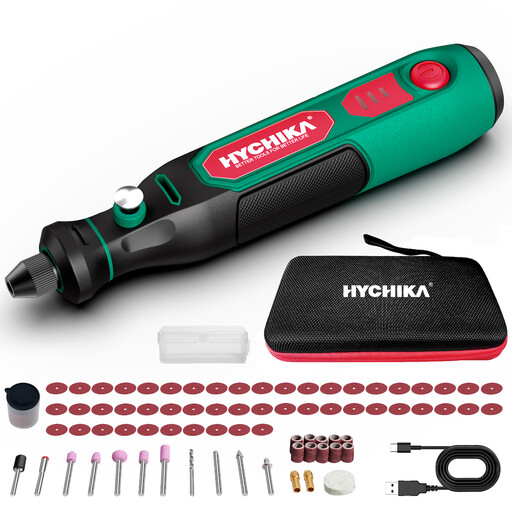
Why it's a good fit: Ideal for hobbyists, model makers, and for detail work like engraving, sanding, or polishing. It's not a classic screwdriver, but a specialized, cordless tool for delicate tasks where precision is more important than raw power.
This tool avoids the "power trap" because it doesn't try to be a drill/driver. It is lightweight and optimized for precision tasks. The accessories are specifically tailored to the device's functions (sanding, polishing) and not a low-quality bundle.
Very lightweight (250 g), easy charging via USB-C, and an extensive accessory set specialized for fine detail work are included.
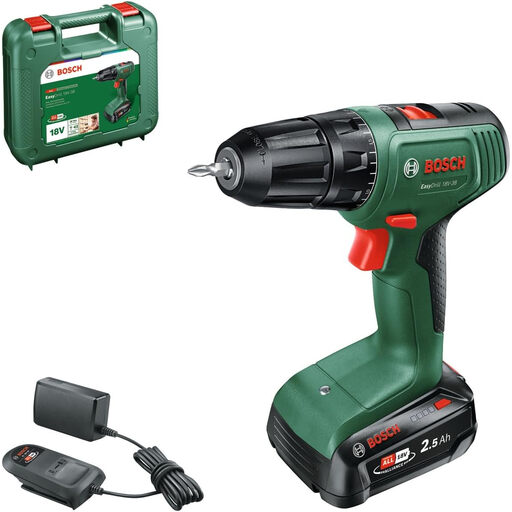
Why it's a good fit: The classic Bosch cordless screwdriver for almost any job around the house. With 18V of power and 20 torque settings, it's strong enough for drilling in wood and metal, yet precise enough for furniture assembly. A true all-round talent.
This model elegantly solves the "battery dilemma": it is part of the POWER FOR ALL ALLIANCE. The 18V battery is compatible with numerous other tools from various brands. This saves money and space in the long run.
Cross-brand battery compatibility and a 2-speed gearbox for optimal power transmission when screwdriving and drilling. Delivered with battery and charger.
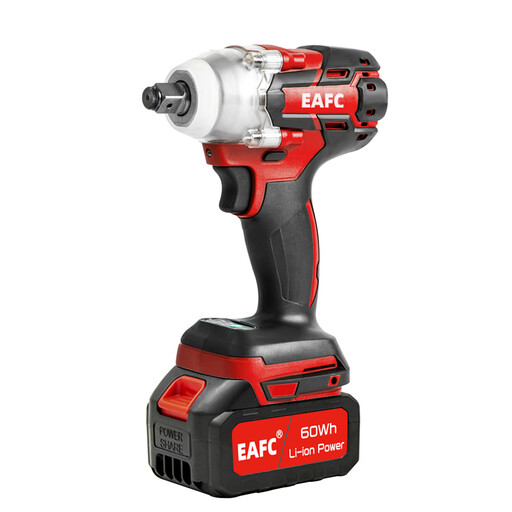
Why it's a good fit: This is a pure cordless impact driver for users who regularly need high power, e.g., for seasonal tire changes on their car or for heavy-duty assembly work. With 200 Nm of torque, it can loosen even the tightest bolts.
This specialized tool prevents a standard cordless drill/driver from being misused and damaged on unsuitable tasks. It is a targeted investment for a specific application, thus avoiding the trap of buying an ill-suited all-in-one device.
High torque of 200 Nm for demanding fastening jobs. The brushless motor ensures higher efficiency and a longer service life for the device.
We have compiled a complete, up-to-date list of products that fully meet these strict selection criteria and safety regulations.
The runtime of a battery depends on its capacity, measured in ampere-hours (Ah), the load, and its age. For most DIY projects, a battery with 1.5 Ah to 2.5 Ah is sufficient for an extended work session. To maximize its lifespan, the battery should not be fully discharged and should be stored at moderate temperatures.
No. A standard cordless drill/driver is designed for materials like wood, metal, and plastic. To drill into masonry or concrete, you need a device with a selectable hammer function, i.e., a cordless hammer drill/driver or a rotary hammer. Using an unsuitable tool will quickly destroy the drill bit and can overload the motor.
A brushless motor is a modern motor technology that operates without the traditional, wear-prone carbon brushes. The advantages are higher efficiency (more runtime per charge), a longer motor lifespan, and often a more compact design. For occasional household use, a conventional motor with brushes is usually perfectly adequate. However, for frequent and demanding use, a brushless model is an investment worth considering.