
Lieferung heute & morgen

Qualitätsgarantie

Willkommens-Angebote freischalten: KOSTENLOSE Lieferung | Bis zu 80 % RABATT | Kostenlose 30-Tage-JoyPlus-Testphase
App herunterladen
The time has come to buy a new cordless tool, whether it's for assembling furniture, a DIY project in the garden, or a repair on your car. The market is flooded with offers promising high performance and comprehensive sets. But not every tool delivers what the advertising suggests. As a Joybuy Product Recommendation Officer, I see daily which pitfalls lead to frustration and unnecessary expenses. This guide will help you separate the wheat from the chaff and make an informed decision.
Before we dive into the technical details, let's look at the most common mistakes that DIYers in the UK make time and again.
To avoid these traps, focus on the objective performance data that is relevant to your planned projects.
The voltage, measured in volts (V), is an indicator of the tool's power. The capacity, measured in ampere-hours (Ah), determines the runtime per battery charge.
Torque, specified in Newton-metres (Nm), describes the tool's rotational force. A high Nm number is not always an advantage. The crucial factor is the ability to regulate the torque precisely.
Instead of making a blanket recommendation, we have selected products that fit specific user profiles and avoid the pitfalls mentioned.
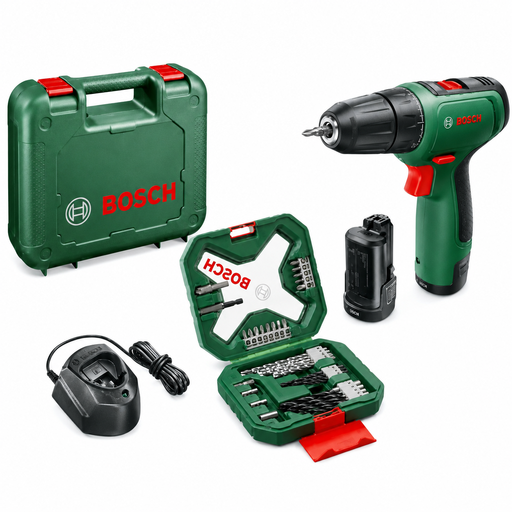
Why This Fits Their Persona: Ideal for typical household tasks like furniture assembly, hanging pictures, or tightening loose screws. Its low weight and compact design make it easy to work overhead or in tight spaces.
This tool avoids the trap of being oversized. The 12V power is perfectly matched for light to medium-duty screwdriving and drilling tasks without being cumbersome.
Variable torque setting for material-friendly work. The keyless chuck allows for quick bit changes. The included accessory set provides a solid basic kit.
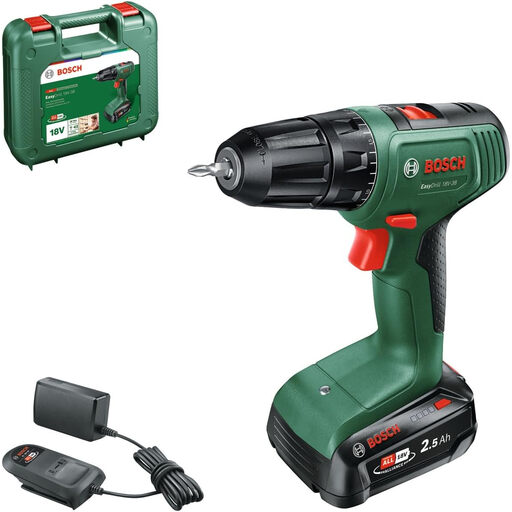
Why This Fits Their Persona: For homeowners and DIYers who regularly tackle larger projects—from building a garden shed to renovation work. The 18V platform provides the necessary power reserve.
This model is part of the POWER FOR ALL ALLIANCE. The 18V battery is compatible with numerous tools from different brands, actively bypassing the dreaded "battery system lock-in."
The 2-speed gearbox and 20 torque settings allow for precise adaptation to screwdriving and drilling tasks. The integrated LED light improves visibility in dark workspaces.
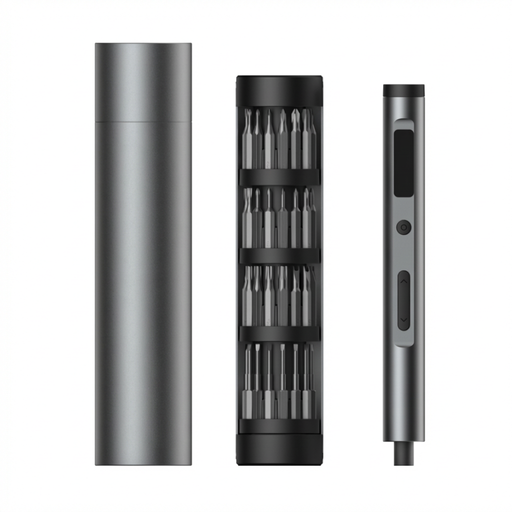
Why This Fits Their Persona: Perfect for anyone working on laptops, smartphones, drones, or model building. This **repair kit** provides the necessary precision for delicate screws that would be damaged by a standard cordless driver.
This set bypasses the trap of low-quality accessories. It includes 60 precision S2 steel bits for almost any small screw head. It also avoids the "overpowered" trap with its low, controllable torque.
The digital torque display allows for exact force adjustment (0.1–0.3 Nm). The compact, rotating storage system keeps all parts organised and within easy reach.
We have compiled a complete, up-to-date list of products that fully meet these strict selection criteria and UK safety regulations.
1. How long does a tool battery last and how do I store it correctly? The lifespan of a lithium-ion battery is measured in charge cycles and is typically several hundred cycles. For maximum longevity, you should not fully discharge the battery or store it fully charged for extended periods. A charge level of 40-60% in a cool, dry place is ideal for storage.
2. Are cordless tools from different brands compatible with each other? Usually not. Every major manufacturer has its own battery system. An exception is cross-brand alliances like the "POWER FOR ALL ALLIANCE," where batteries from brands like Bosch, Gardena, and others are interchangeable. Always check this before you buy.
3. Do I need a cordless screwdriver or a cordless drill driver? A dedicated cordless screwdriver is smaller, lighter, and optimised purely for driving screws. A cordless drill driver is a more versatile tool that can both drive screws and drill into various materials, thanks to an adjustable chuck and higher speeds. For most DIYers, a cordless drill driver is the more flexible choice.