
Lieferung heute & morgen

Qualitätsgarantie

Willkommens-Angebote freischalten: KOSTENLOSE Lieferung | Bis zu 80 % RABATT | Kostenlose 30-Tage-JoyPlus-Testphase
App herunterladen
The freedom that cordless tools offer is undeniable. Whether for gardening, DIY projects, or in a mobile office, the absence of cumbersome cables simplifies many tasks. But the market is flooded with options, and their marketing promises often obscure more than they clarify. Many buyers invest in a device, only to discover shortly after that it's unsuitable for their needs, the battery's performance quickly degrades, or expensive accessories must be purchased separately.
This guide will help you identify the common pitfalls and make an informed decision. We focus on the technical facts that truly matter, ensuring your next purchase becomes a lasting investment.
Before choosing a model, you should be aware of the three most common and costly mistakes many consumers make.
To avoid a bad purchase, you should focus on objective, technical features. These three parameters are crucial for selecting the right device.
The heart of any cordless device is its power source. Here, you need to understand and weigh two values:
Always check if the tool is supplied with a battery and charger. So-called “bare tool” versions are only a good choice if you already own compatible batteries from a specific brand.
The type of electric motor has a significant impact on performance, lifespan, and efficiency.
A cordless tool must fit the task. Pay attention to application-specific data:
Here are some recommendations tailored to specific user profiles and their requirements.
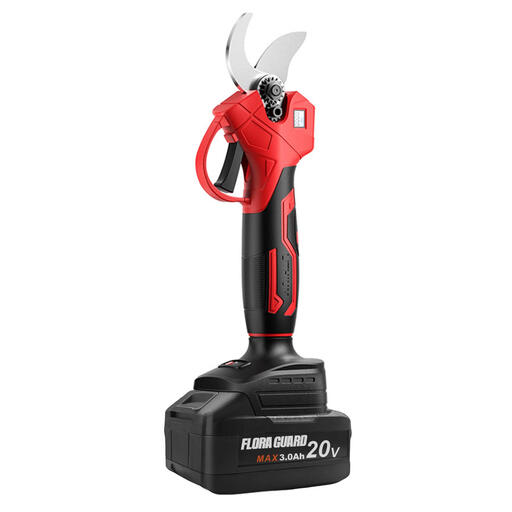
Why This Fits Their Persona: Ideal for garden owners looking for a reliable solution for the regular pruning of shrubs and thinner branches without having to invest in an expensive system.
This set bypasses the battery system trap by being delivered as a complete package with a battery and charger—and even includes two batteries. There are no hidden follow-up costs.
Two included 3000mAh batteries enable uninterrupted work. The cutting capacity of 25 mm is sufficient for most common gardening tasks.
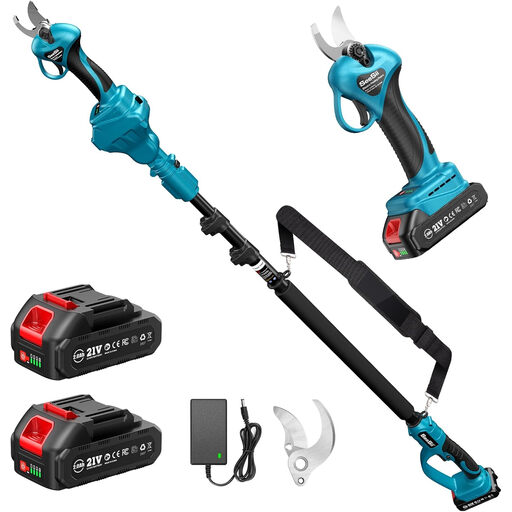
Why This Fits Their Persona: Perfect for owners of gardens with tall trees or fruit trees who need a versatile and powerful tool for cutting thick branches both at height and on the ground.
This model avoids the performance trap by using a 600W brushless motor, which offers higher efficiency and a longer lifespan than conventional motors. The added value of the telescopic pole is practical, not just a marketing gimmick.
The 2-in-1 functionality as both a handheld and pole pruner offers maximum flexibility. The cutting capacity of 33 mm and the telescopic pole allow for safely reaching and cutting even thicker, high branches.
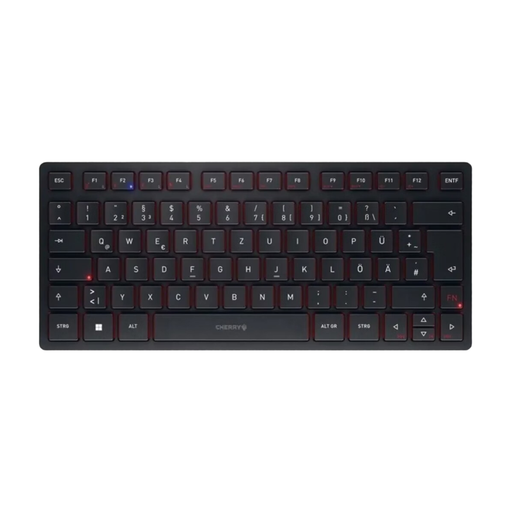
Why This Fits Their Persona: For professionals and creatives who need to switch seamlessly between a laptop, tablet, and PC in the office, at home, or on the go, and who value a high-quality typing experience and compact design.
This device solves the compatibility trap through maximum flexibility: it offers four connection channels (2x Bluetooth, 1x 2.4 GHz wireless, 1x cable), making it compatible with virtually any device.
The ability to switch seamlessly between up to four devices boosts productivity. The CHERRY SX scissor mechanism ensures a precise and quiet typing feel, while the battery lasts for weeks.
We have compiled a complete, up-to-date list of products that fully meet these strict selection criteria and German safety regulations.
A battery's lifespan depends on several factors: its capacity (Ah), the load during operation, and proper storage. Under continuous load, such as when cutting hardwood, a 2.0 Ah battery might last for about 20-30 minutes, while a 4.0 Ah battery will extend the runtime accordingly. With proper care (storing at room temperature, avoiding deep discharge), the total lifespan of a lithium-ion battery is several hundred charge cycles, which typically corresponds to several years of use.
In most cases, the answer is no. Every major manufacturer uses its own proprietary battery and charging system. However, there are exceptions: some brands are part of cross-brand battery alliances (e.g., the Cordless Alliance System, CAS). Additionally, there are third-party devices sold as explicitly compatible with batteries from established brands (e.g., Makita or Worx). Always check the product description carefully for this information.