
Lieferung heute & morgen

Qualitätsgarantie

Willkommens-Angebote freischalten: KOSTENLOSE Lieferung | Bis zu 80 % RABATT | Kostenlose 30-Tage-JoyPlus-Testphase
App herunterladen
Cordless cleaning devices promise convenience and flexibility for your home, garden, or pet care. The freedom from cumbersome cables allows for quick and hassle-free use. However, the market is saturated with products whose marketing promises often fall short in practice. Before making a purchase, it's crucial to understand the common pitfalls that can lead to disappointment and unnecessary expense.
This guide focuses on objective criteria to help you separate the wheat from the chaff and find a device that truly meets your requirements.
The appeal of cordless devices can lead buyers to overlook critical technical details. Three problems are particularly common:
To avoid these pitfalls, you should base your decision on measurable technical data. The following three parameters are central to the performance and longevity of battery-powered devices.
The runtime specified in minutes is not a very meaningful metric. A more reliable indicator of performance is the battery's energy capacity, given in watt-hours (Wh). Alternatively, this can be derived from the voltage (V) and capacity in amp-hours (Ah) (Wh = V x Ah). Also, pay attention to the motor type. Devices with a brushless motor generally operate more efficiently, generate less heat, and have a longer lifespan than models with conventional brushed motors.
A high-quality device is distinguished by a well-designed, multi-stage filtration system. For robotic vacuums or pool cleaners, a combination of a coarse pre-filter for hair and debris and a fine particle filter (e.g., HEPA standard) to capture allergens and dust is ideal. Before buying, check if the filters are washable and if replacements are available at reasonable prices. This is a key aspect for sustainable automated cleaning.
The materials used have a direct impact on durability and safety. For devices that come into contact with water, such as a cordless robotic pool cleaner or a pet fountain, corrosion-resistant and easy-to-clean materials like high-grade ABS plastic or ceramic are crucial. A ceramic bowl in a water fountain, for example, can help prevent feline acne. Also, look for recognised safety certifications like the CE mark, which confirms that the product meets applicable EU requirements.
Instead of making a blanket recommendation, we have identified products tailored to clearly defined use cases and user profiles.
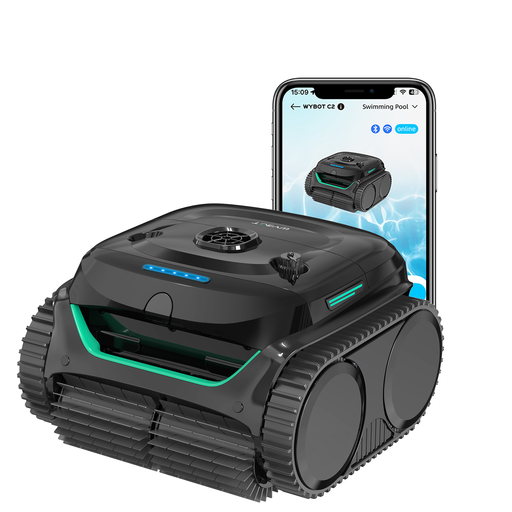
Why This Fits Their Persona: This user profile seeks a fully autonomous and powerful solution for pool cleaning that operates without manual supervision or tangled cables. Efficiency and app control are paramount.
The device addresses the battery issue with a clearly specified runtime of up to 180 minutes and the filter problem with a two-stage system featuring a 180μm pre-filter and a 10μm HEPA filter.
Cleans the floor, walls, and waterline; three brushless motors ensure longevity and efficiency; full control and scheduling via an app.
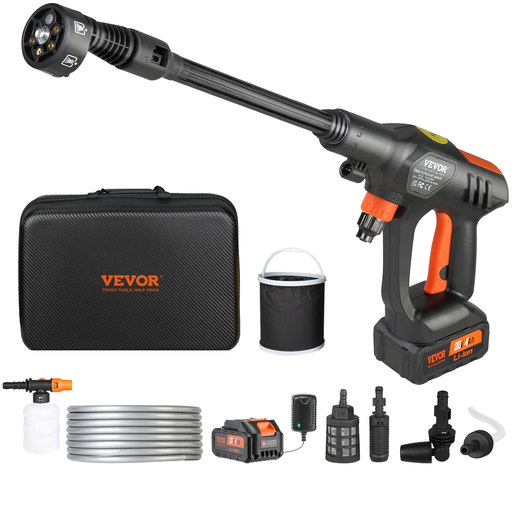
Why This Fits Their Persona: This user needs a flexible solution for cleaning tasks where a power outlet or fixed water connection is unavailable, such as for a car, balcony, or garden furniture.
The device sidesteps the design flaw pitfall by clearly focusing on mobility. It doesn't promise the power of a stationary unit but offers a functional, portable solution with a safety lock.
Can draw water from any source (e.g., a bucket, lake); includes extensive accessories with an extension rod for hard-to-reach areas.
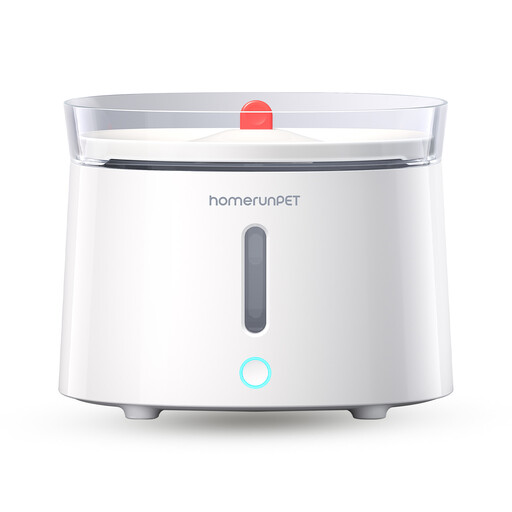
Why This Fits Their Persona: For this user, the pet's health and well-being are the top priority. They are looking for a smart home helper that ensures a constant supply of clean water while being safe and easy to clean.
Directly addresses the "design flaw" and "filter performance" traps: The wireless pump eliminates power cords in the water. The ceramic bowl is hygienic, and the 4-stage filtration system with UVC purification ensures high water quality.
Enhanced safety due to the wireless pump; self-cleaning function with UVC light (99.98% sterilisation rate according to the manufacturer); dishwasher-safe ceramic bowl.
We have compiled a complete, up-to-date list of products that fully meet these strict selection criteria and relevant safety standards.
The lifespan of a lithium-ion battery is typically measured in charge cycles, often ranging from 300 to 500 full cycles before the capacity noticeably degrades. The actual lifespan in years depends heavily on the frequency of use and storage conditions. To maximise its life, the battery should not be left fully discharged for long periods or stored at extreme temperatures.
No, generally not. Battery-powered devices of this type are designed for mobility and flexibility. Their maximum pressure (measured in bar) and water flow rate (litres per minute) are usually lower than those of mains-powered units. They are excellent for light to medium cleaning tasks where a power outlet is unavailable, but they do not replace a high-performance, corded model for stubborn dirt on large surfaces.
Regular and thorough cleaning is crucial to ensure hygiene and maintain functionality. Empty and dry the tank after each use to prevent algae and bacteria growth. Pumps and filters should be disassembled and cleaned according to the manufacturer's instructions (often every 2-4 weeks) to prevent clogs and limescale buildup. This is especially true for pet water fountains to ensure consistently high water quality.