
Lieferung heute & morgen

Qualitätsgarantie

Willkommens-Angebote freischalten: KOSTENLOSE Lieferung | Bis zu 80 % RABATT | Kostenlose 30-Tage-JoyPlus-Testphase
App herunterladen
The freedom of a cordless vacuum is undeniably convenient. No tangled cords, no searching for outlets—just grab it and go. However, the market for cordless vacuums is crowded and full of marketing promises that often don't hold up in practice. Many devices turn out to be a bad investment because crucial details were overlooked.
As your Joybuy Product Recommendation Officer, I'm here to help you separate the wheat from the chaff. We'll focus on the facts and uncover three common pitfalls that lead to disappointment, so you can make an informed decision.
Pitfall 1: The Illusion of the Pascal (Pa) Number Manufacturers often advertise extremely high Pascal (Pa) values to suggest powerful suction. However, Pascal only measures the vacuum pressure a motor can generate in a sealed state. A far more meaningful metric is Airwatt (AW), as it considers both vacuum pressure and airflow, thus better describing the actual cleaning performance at the nozzle. A device with a high Pa rating but poor nozzle design will fail to pick up dirt effectively.
Pitfall 2: Unrealistic Battery Runtimes A stated runtime of "up to 60 minutes" almost always refers to the Eco mode without a motorised brush running. As soon as you switch to a higher power setting or use a carpet brush, the actual usage time can drop to just 10-15 minutes. This is often insufficient for cleaning an entire home.
Pitfall 3: Inadequate Filtration Systems Many budget-friendly models use simple foam filters that don't effectively capture fine dust and allergens. For allergy sufferers or households with children and pets, a multi-stage filtration system with a HEPA (High-Efficiency Particulate Air) filter is essential. This filters the smallest particles from the exhaust air, ensuring a healthier indoor environment.
To avoid these pitfalls, you should carefully examine three core technical parameters. These are the key determinants of your new device's performance and longevity.
A vacuum with high suction power is not defined by a high Watt or Pascal number alone. When available, look for the specification in Airwatts (AW). Values from 120 AW indicate solid performance for most floor types. Models with over 180 AW offer very high cleaning power, suitable for deep-seated dirt in carpets and picking up pet hair. A brushless motor is also a mark of quality, as it is generally more efficient, quieter, and more durable than conventional brushed motors.
Check the specified runtime for the different power levels. A good cordless stick vacuum should last at least 25-30 minutes in standard mode (not Eco). For larger living spaces or more intensive cleaning, a model with a swappable battery is an option worth considering. This allows you to double the runtime by simply inserting a second, fully charged battery. Ideally, the charging time should not exceed 4-5 hours.
A good bagless vacuum cleaner should have a multi-stage, fully sealed filtration system. A HEPA filter is the gold standard here for securely trapping allergens and fine dust particles. Also, pay attention to the size of the dustbin (at least 0.5 litres for fewer emptying breaks) and a hygienic, one-touch emptying mechanism. A washable filter reduces running costs.
Based on these objective criteria, we have identified several models that offer a suitable solution for different user profiles and their specific requirements.
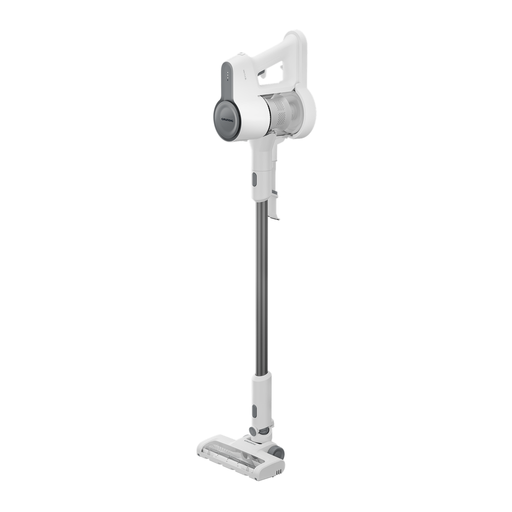
Why this model fits: Ideal for small to medium-sized apartments. It combines the flexibility of a stick vacuum with a detachable handheld unit for quick cleaning of furniture or the car. The Grundig brand stands for solid, reliable functionality.
The device provides a realistic runtime of up to 40 minutes and avoids exaggerated suction power claims. It delivers reliable performance for everyday use.
2-in-1 function (stick and cordless handheld vacuum); Electric turbo brush with LED light for better dust visibility.
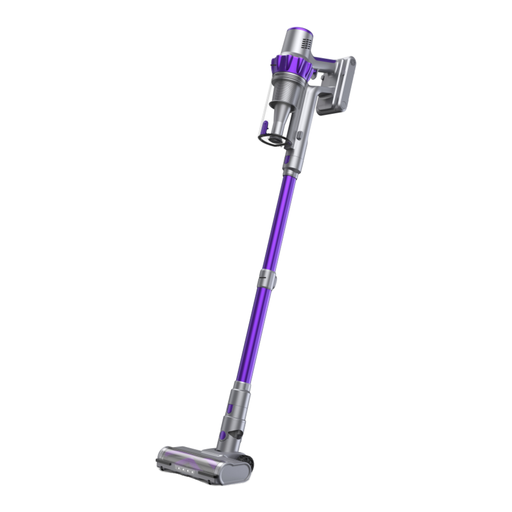
Why this model fits: Engineered for demanding tasks like removing pet hair. Its high suction power, large dustbin, and intelligent power adjustment make cleaning in a busy household more efficient.
This model combines high suction power (45 kPa) with a very large 1.5-litre dustbin. This addresses the problem of many powerful vacuums that have a small bin requiring constant emptying.
Intelligent auto mode adjusts suction power to the floor type; 7-stage filtration system; Runtime of up to 55 minutes.
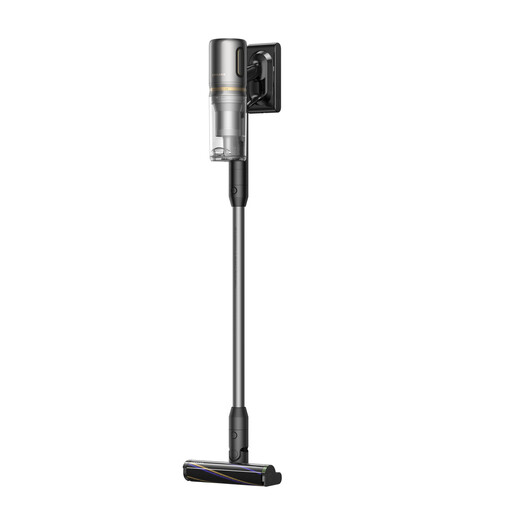
Why this model fits: For users who value a lightweight design, high performance, and modern technology. This vacuum is extremely light yet powerful enough for whole-home cleaning, including demanding surfaces.
Instead of just advertising Pascals, the manufacturer specifies the more meaningful suction power of 190 AW. The long runtime of up to 90 minutes is made possible by a high-performance battery, providing transparency.
Extremely lightweight vacuum (1.5 kg main unit); 5-stage HEPA filtration system; CelesTect dust detection with blue LED.
We have compiled a complete, up-to-date list of products that fully meet these strict selection criteria and German safety regulations.
The actual runtime heavily depends on the selected power level and the accessory being used. The maximum runtime stated by the manufacturer only applies to the lowest Eco mode. For a realistic estimate, you should look at the runtime in standard or turbo mode, which is often only 30-50% of the maximum figure. Models with a swappable battery offer the greatest flexibility here.
No, not necessarily. A high Pascal number is only part of the equation. Cleaning performance also depends on airflow, motor efficiency, and, most importantly, the design of the floor nozzle. A well-engineered nozzle can pick up dirt more effectively at moderate suction than a poorly designed nozzle on a motor with a high Pa rating. The Airwatt (AW) value, if provided, is a more reliable indicator.
This depends on the frequency of use and the type of dirt. As a rule of thumb, the pre-filter (often a foam or mesh filter) should be rinsed under running water every 2-4 weeks. The HEPA filter should be cleaned or replaced every 6-12 months, depending on the manufacturer's instructions. It is crucial that all filter parts are completely dry before being reinserted to prevent mould growth and odours.