
Lieferung heute & morgen

Qualitätsgarantie

Willkommens-Angebote freischalten: KOSTENLOSE Lieferung | Bis zu 80 % RABATT | Kostenlose 30-Tage-JoyPlus-Testphase
App herunterladen
The promise of vacuuming and mopping in a single step offers significant time savings in the household. However, the market for cordless vacuum mops is flooded with devices whose performance claims often don't hold up in practice. Many users discover after purchase that the expected convenience is replaced by new problems: inadequate edge cleaning, cumbersome manual cleaning of the device, and limited reach under furniture. Before you make a purchasing decision, it's crucial to understand the common pitfalls that often only become apparent in everyday use.
Common Weaknesses of Cordless Vacuum Mops:
To avoid these pitfalls, you should pay attention to specific technical features when selecting a device. These parameters determine whether a cordless vacuum mop is a genuine help or just another compromise.
An advanced cleaning station is more than just a charging dock with a rinsing function. Look for models that offer a fully automatic cycle of cleaning and drying.
The ability to mop and vacuum hard floors in one go should also include the edges of the room.
Cleaning under furniture requires a thoughtful device design.
Choosing the right cleaning device depends heavily on individual needs and the household. Here are some options for different user profiles.
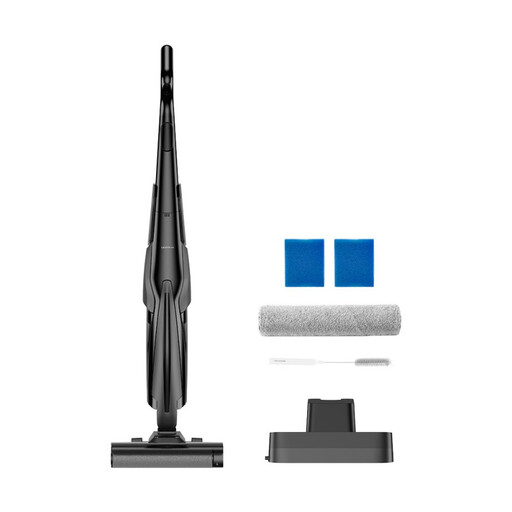
Why This Fits Their Persona: Ideal for tech-savvy users looking for a comprehensive all-in-one solution. This profile values maximum automation and hygiene to minimise cleaning effort, especially in households with children or pets.
The station not only cleans the roller with 70°C hot water but also dries it with 100°C hot air, preventing odours and germ build-up. The edgeless brush design and 180° lay-flat capability solve the problems of edge cleaning and reach under furniture.
Fully automatic cleaning and drying station. 22,000 Pa suction power and a battery life of up to 50 minutes allow for cleaning large areas without interruption.
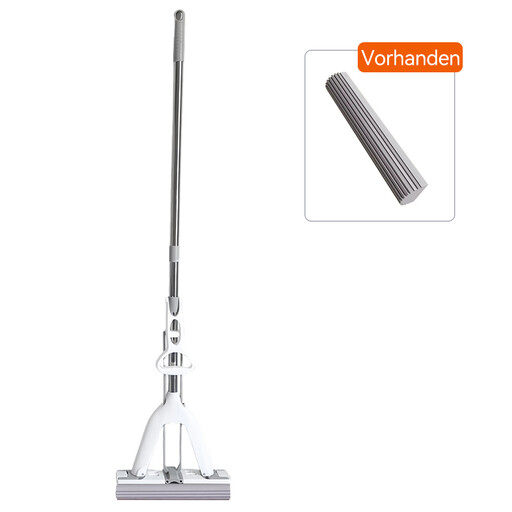
Why This Fits Their Persona: Suitable for budget-conscious users who want an upgrade from a traditional mop but are not yet ready to invest in a high-end device. The focus is on reducing direct contact with dirty water.
This manual tool solves the problem of wringing by hand. It's not an automated solution, but its wringing mechanism offers a clear hygienic advantage over conventional mops where hands come into contact with dirty water.
Hands-free wringing and a highly absorbent sponge head. A cost-effective and straightforward alternative for wet cleaning smaller areas, requiring no electricity or complex maintenance.
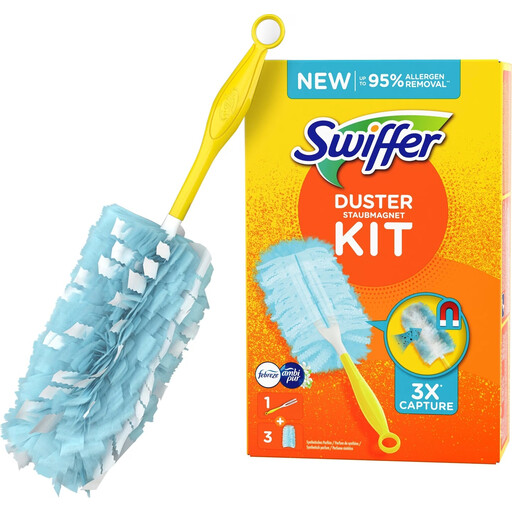
Why This Fits Their Persona: Perfect for households where dust, allergens, and pet hair on dry surfaces are the main problem. This profile needs a quick, uncomplicated solution for daily touch-ups without having to pull out a heavy appliance.
This product is not a vacuum mop, thus bypassing the complexity of water tanks and self-cleaning. It is a specialised tool that performs one task—trapping dust and hair—exceptionally well, highlighting the difference from an all-in-one solution.
Thousands of flexible fibres conform to surfaces and lock in dust, hair, and allergens. Extremely lightweight and easy to handle, ideal for quick cleaning of furniture, electronics, and hard-to-reach places.
We have compiled a complete, real-time list of products that fully satisfy these strict selection criteria and UK safety regulations.
1. How often does the dirty water tank on a cordless vacuum mop need to be emptied? The frequency depends on the tank size, the area being cleaned, and the level of dirt. For most models, the tank needs to be emptied after each full cleaning of an average-sized flat (approx. 60–80 m?). Devices with a fully automatic cleaning station often empty the vacuum's dirty water tank themselves into a larger collection tank in the station, which then only needs to be emptied every few weeks.
2. Is a cordless vacuum mop with a cleaning station suitable for pet hair? Yes, many modern devices are very well-suited for pet hair. Look for high suction power (measured in Pascals, Pa) and a brush design that effectively picks up hair without tangling. A cleaning station with a hot water function is particularly advantageous here, as it helps to hygienically remove clinging hair and pet saliva from the roller.
3. What is the real maintenance effort for a fully automatic cleaning station? Even a "fully automatic" station requires minimal maintenance. Typically, you will need to refill the station's fresh water tank and empty the large dirty water tank once it's full (every few weeks, depending on the model). Additionally, filters and sensors should be regularly checked and cleaned according to the manufacturer's instructions to ensure consistently high performance. However, the daily effort of cleaning the device itself is almost completely eliminated.