
Lieferung heute & morgen

Qualitätsgarantie

Willkommens-Angebote freischalten: KOSTENLOSE Lieferung | Bis zu 80 % RABATT | Kostenlose 30-Tage-JoyPlus-Testphase
App herunterladen
The idea of vacuuming and mopping simultaneously promises significant time savings in your household routine. A cordless wet-dry vacuum seems to be the ideal solution for pristine hard floors. However, the market is flooded with devices whose marketing promises often fall short in practice. Before you make a purchasing decision, it's crucial to understand the common pitfalls that can quickly turn a supposed helper into a source of frustration.
Many users report three central problems:
This buyer's guide focuses on the technical features that specifically solve these problems, helping you find a model that truly meets your needs.
To avoid falling for empty marketing claims, you should carefully examine three core technical aspects. These largely determine the cleaning performance, hygiene standard, and everyday user convenience.
Automatic brush roller cleaning is standard today, but the execution varies greatly. A simple rinse with cold water is often not enough to effectively remove grease, dried-on stains, and bacteria.
Look for models that offer wet-dry self-cleaning at elevated temperatures. Cleaning with 60°C hot water or higher can dissolve stubborn grime and oily residues much more effectively. This should be immediately followed by a hot-air drying cycle. This process prevents residual moisture from remaining in the brush, which is the main cause of mould growth and unpleasant odours. Effective drying ensures the device is fresh and perfectly hygienic for every use.
The ability to clean hard-to-reach areas is a critical quality indicator. Designing a low-profile hard floor cleaner is a technical challenge that only a few manufacturers have mastered.
Check if the device has a joint that allows it to recline up to 180 degrees. This is the only way to effortlessly reach deep under furniture. Equally important is a well-thought-out brush construction for edge cleaning. Models with a borderless or dual-edge brush design can clean directly along walls and furniture edges without leaving a strip of dirt behind.
The ability to vacuum and mop simultaneously is the basic function. However, efficiency depends on the suction power, measured in Pascals (Pa), and intelligent dirt detection. For households with pets, a powerful wet-dry vacuum for pet hair is essential. High suction power ensures that not only dust but also stuck-on dirt and pet hair are reliably picked up.
Modern devices feature sensors that detect the level of dirt on the floor and automatically adjust the suction power and water flow. This ensures efficient cleaning while optimising battery and water consumption.
Based on the criteria mentioned, we have compiled a selection of devices suitable for different user profiles and their specific needs.
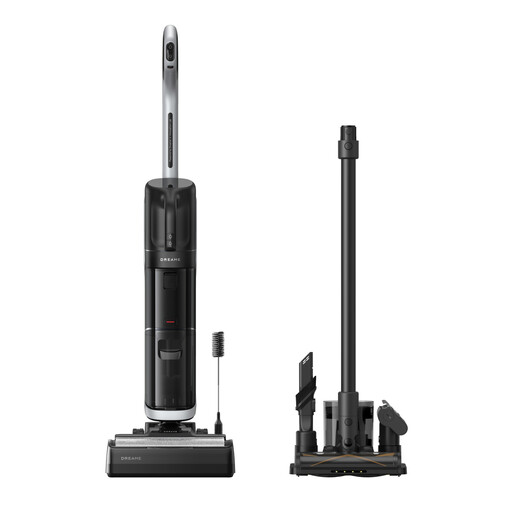
Why this model is a fit: Ideal for users seeking a balanced and versatile solution for daily messes. The device combines strong performance with thoughtful convenience features that make the daily cleaning routine noticeably easier.
Self-cleaning with 60°C hot water followed by a 5-minute warm-air drying cycle effectively prevents odours. The 180° lay-flat design allows for cleaning under furniture, and the dual-edge design minimises dirt borders.
A high suction power of 18,000 Pa tackles even stubborn dirt and pet hair. The intelligent dirt detection automatically adjusts performance, ensuring efficiency.
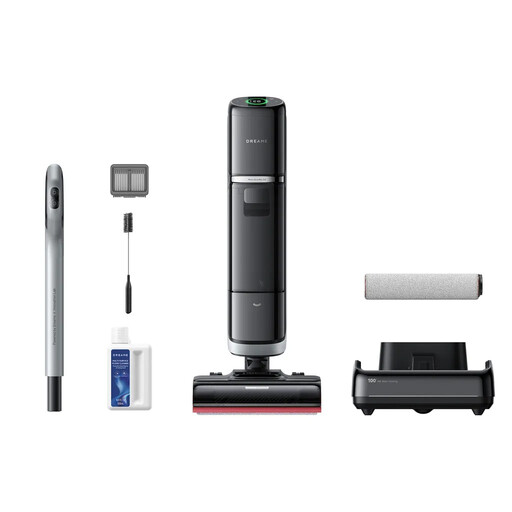
Why this model is a fit: For users who refuse to compromise on performance and hygiene. This model specialises in the deep cleaning of high-traffic floors, such as in kitchens or entryways.
The ThermoRinse technology cleans the floor with 85°C hot water, dissolving even the most stubborn grease. According to the manufacturer, self-cleaning occurs at 100°C, ensuring a high standard of hygiene. The GapFree AI system provides precise edge cleaning.
A very high suction power of 22,000 Pa and intelligent RGB dirt detection enable an exceptionally thorough clean. The TangleCut technology reduces hair entanglement in the brush.
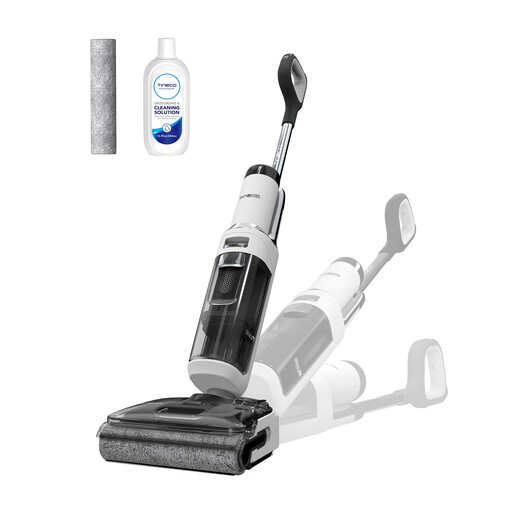
Why this model is a fit: Perfect for homes with lots of furniture and tight corners. The focus here is on maximum flexibility and manoeuvrability to clean thoroughly even in hard-to-reach places.
The 180° lay-flat design, with a low profile of just 13 cm, allows for cleaning deep under furniture. The 3-sided edge cleaning ensures clean borders. Self-cleaning at 70°C and the FlashDry system ensure good hygiene.
The extremely low-profile design is this model's key advantage. It offers high manoeuvrability and is comparatively lightweight at 4.5 kg, which makes handling easier.
We have compiled a complete, up-to-date list of products that fully meet these strict selection criteria and UK safety regulations.
A hot-air drying feature is highly recommended. It prevents the brush roller from remaining damp after the self-cleaning cycle. Moisture is the ideal breeding ground for bacteria and mould, which leads to unpleasant odours. A dry brush is more hygienic and extends the life of the accessory.
The replacement interval for filters varies depending on the manufacturer and usage intensity. As a general rule, it is recommended to replace the HEPA filter every 3 to 6 months. Many models have washable filters that can be regularly cleaned under running water. However, it is crucial that the filter is completely dry before being reinserted to avoid impairing suction power and preventing mould growth. Please refer to the instructions in your device's user manual.
No, it is strongly advised not to use just any cleaning agent. Most manufacturers require the use of their own specially formulated cleaning solutions. These are designed to be low-foaming and to not damage the device's internal hoses and sensors. Using the wrong solution can lead to device damage and may void the warranty.