
Lieferung heute & morgen

Qualitätsgarantie

Willkommens-Angebote freischalten: KOSTENLOSE Lieferung | Bis zu 80 % RABATT | Kostenlose 30-Tage-JoyPlus-Testphase
App herunterladen
A cordless wet dry vacuum that vacuums and mops simultaneously promises to be a significant time-saver for floor cleaning. However, the market is flooded with devices whose marketing promises often fall short in practice. Before making a purchase, it's crucial to understand the common pitfalls that can lead to disappointment and unnecessary expense. As your Joybuy Product Recommendation Officer, I'll help you cut through the noise and find a device that truly meets your needs.
Many devices boast impressive technical specs, but some critical flaws only become apparent during daily use. Pay close attention to these three points:
To avoid these traps, you should check three core technical parameters before buying. These determine whether a hard floor cleaner will reliably do its job.
A critical factor for hygienic cleanliness is water temperature. A wet dry vacuum with a hot water function dissolves grease, oil, and dried-on stains far more effectively than cold water. Look for models that actively heat the water and deliver it directly to the brush. Equally fundamental is a dual-tank system: one tank for fresh water and a separate tank for the collected dirty water. This is the only way to ensure you are always cleaning with fresh water and not spreading dirt back onto the floor.
An effective self-cleaning cycle is more than just a rinse. High-quality systems clean the brush in the docking station with hot water to kill germs and bacteria. A subsequent hot-air drying cycle prevents mould and odours. For households with pets, a brush designed with anti-tangle technology is also important to minimise the manual removal of hair.
For a gap-free clean, the design of the cleaning head is crucial. Look for an edge-to-edge brush design that reaches right up to the edges of walls and furniture. Some advanced models feature extendable mops or special side brushes. Another key feature is the device's ability to lie flat on the floor (e.g., a 180-degree lay-flat design) to clean effortlessly under furniture.
Based on the criteria above, we've curated a selection of devices suited for specific user profiles and their needs.
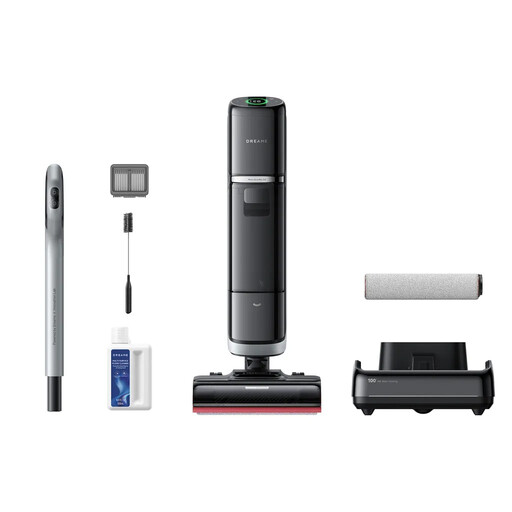
Why This Fits Their Persona: Ideal for households where tough messes like kitchen grease, dried-on sauces, or pet tracks are a daily occurrence and the highest standards of hygiene are required.
The ThermoRinse 85°C hot water technology and the ThermoTub 100°C self-cleaning with drying solve the "pseudo self-cleaning" trap. The GapFree edge design and 180° lay-flat function bypass the "edge-cleaning dilemma."
True deep cleaning with 85°C hot water delivered directly to the brush; fully automatic 100°C brush cleaning followed by drying.
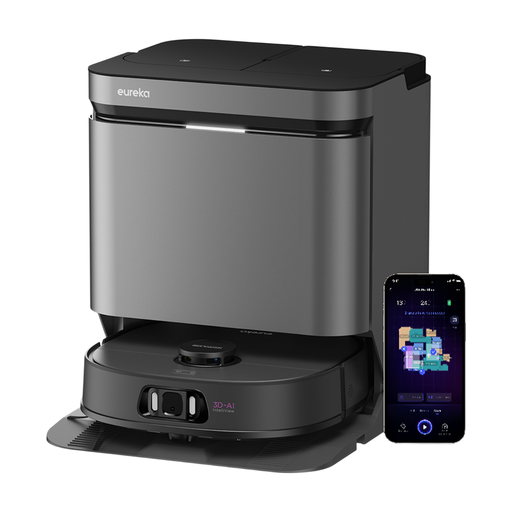
Why This Fits Their Persona: Perfect for tech-savvy users seeking a fully autonomous cleaning solution that both vacuums and mops without compromising on edge-to-edge thoroughness and hygiene.
The ScrubExtend technology with its extendable mops solves the "edge-cleaning dilemma" for robot vacuums. The base station, with its 75°C hot water mop washing and drying, bypasses the "pseudo self-cleaning" trap.
Fully automatic station that washes and dries mops with 75°C hot water; extendable mopping technology for what the manufacturer claims is 98.95% edge coverage.
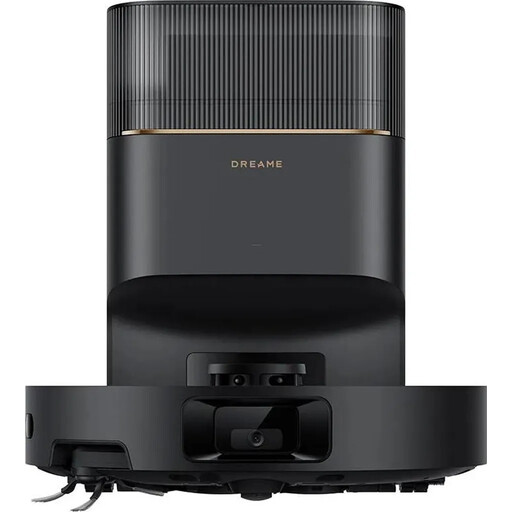
Why This Fits Their Persona: Suitable for users with large living spaces and pets who are looking for a low-maintenance yet powerful cordless vacuum and mop where suction power and pet hair removal are top priorities.
The HyperStream Detangling DuoBrush is specifically designed to prevent hair tangles, a common problem with standard brushes. The automatic dust emptying for up to 150 days significantly minimises maintenance.
Very high suction power of 13,000 Pa and a dual brush that the manufacturer claims is 100% tangle-free; up to 150 days of automatic dust disposal in the station.
We have compiled a complete, up-to-date list of products that fully meet these strict selection criteria and safety regulations.
The frequency of filter changes depends heavily on usage and the level of dirt. As a general rule, replacement is recommended every 3 to 6 months. Many modern devices feature washable filters, which extends their lifespan. Always follow the manufacturer's instructions. Some models also notify the user via an app when maintenance or a replacement is needed.
No, this is strongly discouraged. Only use the low-foaming cleaning solution approved by the manufacturer. Conventional cleaning agents can create excessive foam, which can damage the device's internal components, sensors, and pumps. They can also leave streaks on the floor and may void the warranty.
For households with frequent and stubborn messes—like grease in the kitchen, dried-on food spills, or pet tracks—a model with a hot water function offers significant added value in terms of cleaning performance and hygiene. For general, lighter floor cleaning, a standard model without active water heating may be sufficient. The decision depends on your individual cleanliness requirements.