
Lieferung heute & morgen

Qualitätsgarantie

Willkommens-Angebote freischalten: KOSTENLOSE Lieferung | Bis zu 80 % RABATT | Kostenlose 30-Tage-JoyPlus-Testphase
App herunterladen
A cordless wet dry vacuum promises to combine two of the most unpopular household chores—vacuuming and mopping—into a single, quick step. The idea of saving time and effortlessly keeping hard floors clean is tempting. However, the market is flooded with devices whose marketing promises often fall short in practice. Before you make a purchasing decision, it's crucial to understand the common pitfalls that can lead to disappointment and unnecessary expense.
As your Joybuy Product Recommendation Officer, I'm here to help you separate the wheat from the chaff. We'll highlight the critical features that define a good wet-dry vacuum and point out which design flaws can quickly render a device useless.
Many devices look convincing at first glance but reveal their weaknesses only in daily use. Pay special attention to these three points to avoid buyer's remorse:
To objectively evaluate a device's functionality, you should focus on technical parameters that have a direct impact on cleaning results and handling.
An absolute must-have for any vacuum mop is a system with two separate tanks for clean and dirty water. This is the only way to ensure you are consistently cleaning your floors with fresh water.
Devices without this system merely spread the dirt around instead of removing it, much like a traditional mop that is repeatedly dipped into the same dirty water.
The design of the cleaning head determines how thoroughly a device works. There are critical differences here:
The raw battery capacity (in mAh) is only half the story. More important is the combination of runtime, charging time, and motor efficiency. A cordless hard floor cleaner should offer a realistic runtime of at least 25–30 minutes in standard mode to clean areas of 80–100 m? without interruption.
Self-cleaning is where the best are separated from the rest. High-quality stations offer more than just a water rinse:
Instead of making a one-size-fits-all recommendation, we have selected models tailored to specific user profiles and their requirements.
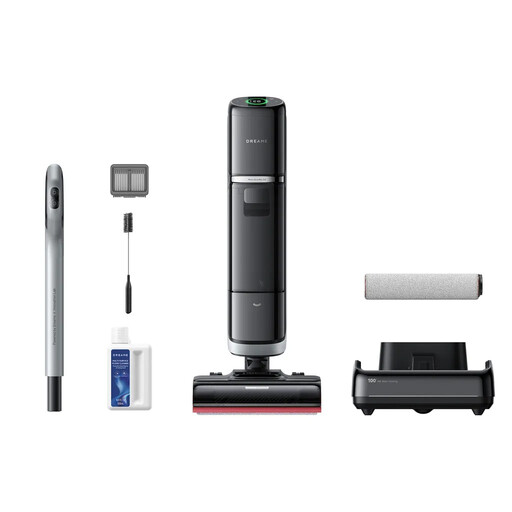
Why This Fits Their Persona: Ideal for users seeking uncompromising deep cleaning with state-of-the-art technology. The hot water function dissolves even stubborn, greasy messes in the kitchen, while intelligent dirt detection automatically adjusts performance.
The GapFree AI Descend Reach system ensures seamless edge-to-edge cleaning. The ThermoTub 100°C self-cleaning with subsequent drying prevents odour build-up and manual effort.
The ThermoRinse 85°C hot water cleaning directly at the brush dissolves dried-on stains and grease. The 22,000 Pa suction power handles even coarse dirt with ease.
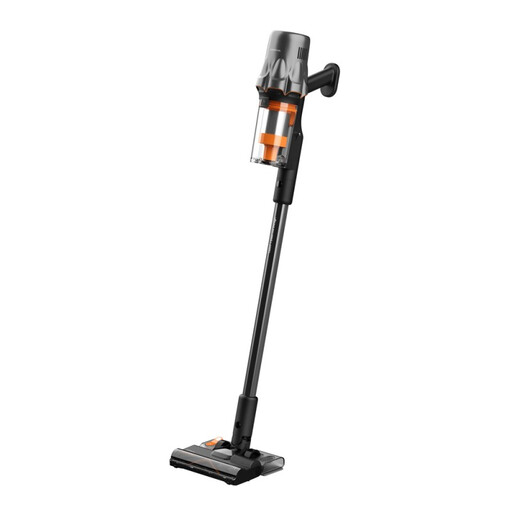
Why This Fits Their Persona: Designed for the challenges of households with children and pets. The long runtime and specialised brush make it a practical tool for the daily cleanup of pet hair, crumbs, and spills.
According to the manufacturer, the T?V-certified brush prevents hair from tangling, significantly reducing maintenance. The battery life of up to 60 minutes is designed for cleaning larger living spaces, avoiding the short-runtime trap.
Combines the function of a vacuum with mopping function and is specifically designed as a cordless vacuum mop for pet hair. The 9-cone cyclone system ensures consistent suction power.
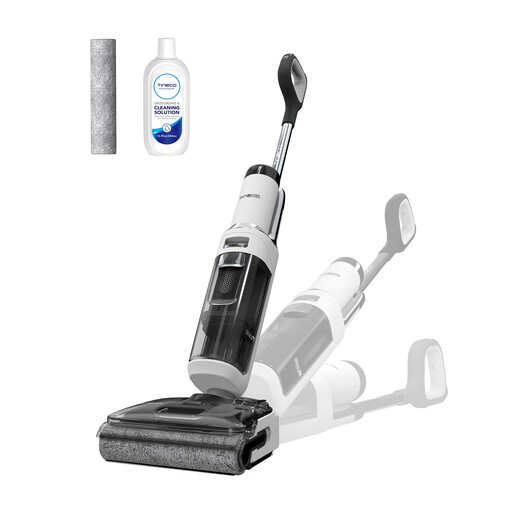
Why This Fits Their Persona: Perfect for homes with lots of low-profile furniture like sofas, beds, or dressers. This device was specifically designed to reach hard-to-access areas that are unreachable for conventional wet dry vacuums.
The 180° lay-flat design solves the problem of inaccessible spots under furniture. The three-sided edge cleaning minimises dirty borders, and the FlashDry self-cleaning with hot air drying prevents odours.
Enables thorough cleaning under low furniture with a lay-flat height of just 13 cm. The runtime of up to 40 minutes is sufficient for most homes.
We've compiled a complete, up-to-date list of products that fully meet these strict selection criteria and local safety regulations.
No, it is strongly advised against using conventional floor cleaners. These can create excessive foam and damage the device's internal sensors and motor. Furthermore, aggressive chemicals can attack the plastic tanks and seals. Only use the low-foaming cleaning solution recommended by the manufacturer to ensure the longevity of your device.
Most modern cordless wet dry vacuums are designed for all types of sealed hard floors, including sealed hardwood, laminate, vinyl, and tile. Many devices offer special cleaning modes that regulate water output—for example, a mode for wood floors with less water to protect the material. However, caution is advised for unsealed or oiled wood floors, as too much moisture can cause damage. Always check the manufacturer's specifications for this.
The lifespan of consumables depends heavily on the frequency of use and the type of dirt.